Struggling to make your long, narrow living dining room feel both stylish and spacious? You’re not alone.
This unique layout can be tricky, but with the right tricks, you can transform your space into a comfortable, inviting area that flows beautifully. Imagine creating cozy zones where you can relax, dine, and entertain—all without your room feeling cramped or awkward.
You’ll discover simple, practical ways to arrange your furniture, use color and lighting to your advantage, and add touches that make your room feel wider and more balanced. Ready to unlock the full potential of your long, narrow living dining room? Let’s dive in.
Divide The Room
Dividing a long narrow living dining room helps make the space feel balanced and organized. The key is to break up the length into smaller, usable areas. This creates a sense of flow and purpose.
Using different design elements can separate the living and dining zones clearly. This avoids a tunnel-like look and makes the room more inviting.
Create Functional Zones
Start by defining clear areas for living and dining. Place furniture to mark each zone without blocking walkways. Use shelves or low cabinets as subtle dividers. This keeps the room open but structured. Each zone should serve a distinct purpose, like relaxing or eating.
Use Area Rugs
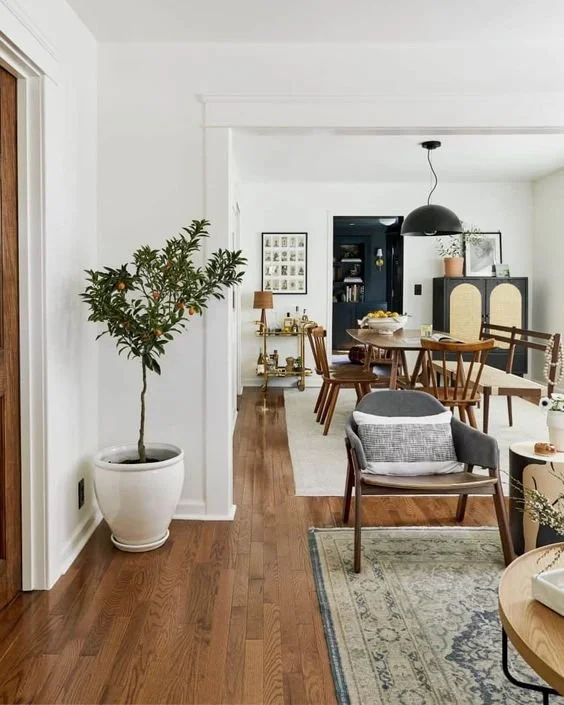
Area rugs are great for visually separating spaces. Choose rugs that fit the size of each zone. A large rug under the dining table anchors that area well. A different rug in the living area sets it apart. Rugs add texture and color while defining boundaries.
Anchor Seating Areas
Arrange sofas and chairs to create cozy seating groups. Position seating to face each other or a focal point like a fireplace. Use coffee tables or ottomans to tie the space together. Anchoring seating areas makes the room feel purposeful and comfortable.

Credit: thedecorforum.com
Arrange Furniture
Maximizing vertical space helps open up a long narrow living dining room. It draws the eye upward, making the room feel taller and less cramped. Vertical storage and decoration add style without taking up floor space. Use walls to keep the floor clear and improve flow.
Tall Bookcases
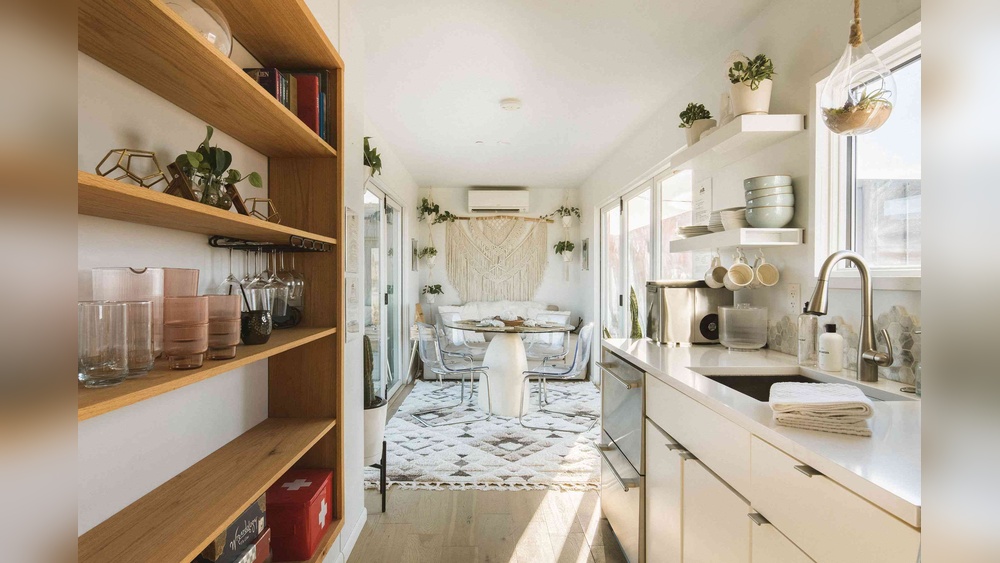
Tall bookcases fit perfectly in long narrow rooms. They store books, decor, and essentials without using much floor space. Choose slim, high shelves that reach the ceiling. This draws attention upward and gives the room more height. Place bookcases at the end of the room or along a wall to create a cozy nook.
Wall-mounted Shelves
Wall-mounted shelves provide storage without cluttering the floor. Install them at different heights for visual interest. Use them to display plants, photos, or small art pieces. Floating shelves keep the room feeling open and airy. They also help break up long walls and add personality to the space.
Large-scale Art
Large-scale art makes a bold statement in narrow rooms. Hang tall paintings or prints to emphasize the room’s height. Choose pieces with simple, clean lines to avoid overwhelming the space. Large art helps create a focal point and balances the room’s proportions. Position it at eye level for best impact.
Maximize Vertical Space
Lighting and windows play a key role in making a long narrow living dining room feel open and inviting. Good lighting brightens the space and reduces shadows that highlight narrowness. Natural light from windows expands the room visually. Enhancing these features helps create a balanced and comfortable area for both dining and relaxing.
Hang Curtains High
Place curtain rods close to the ceiling, not just above the window frame. This draws the eye upward, adding height to the room. Choose long curtains that reach the floor to create a sense of grandeur. Light-colored curtains allow more light to enter, keeping the space bright and airy.
Use Mirrors
Mirrors reflect natural and artificial light, making the room appear larger. Position a large mirror opposite or near a window for the best effect. Mirrors also add depth and break up the narrow lines of the room. Choose simple frames to avoid cluttering the space.
Choose Light Colors
Light wall colors reflect more light and open up the space visually. Soft shades of white, cream, or pastel hues work well. Use these colors on walls, ceilings, and even furniture. Light colors create a fresh and spacious feeling that suits long narrow rooms.
Credit: www.katewiltshiredesign.co.uk
Enhance Lighting And Windows
Selecting the right furniture is key to decorating a long, narrow living dining room. The furniture must fit well without making the space feel cramped. It should also help create balance and flow between the living and dining areas.
Choosing pieces that suit the shape and size of the room makes it feel larger and more inviting. Focus on furniture that adds style and function without overwhelming the space.
Opt For Round Tables
Round tables work well in narrow rooms. They soften the sharp lines of the space. These tables allow easy movement around them. They also create a cozy dining spot without taking too much room.
Without corners, round tables improve traffic flow. They help the space feel open and less boxy. Choose a size that fits the dining area comfortably.
Choose Slim Profiles
Furniture with slim profiles fits better in tight spaces. Look for sofas and chairs with narrow arms and legs. These pieces take up less visual space, making the room appear bigger.
Low back sofas and sleek designs keep the room airy. Avoid bulky, heavy furniture that blocks pathways. Slim furniture creates a clean and uncluttered look.
Use Multi-functional Pieces
Multi-functional furniture saves space and adds utility. Choose items like storage ottomans or extendable tables. These pieces serve more than one purpose in the room.
Fold-out sofas or nesting tables can adjust to different needs. They help keep the room tidy and flexible. Use furniture that adapts to how you live in the space.
Select Suitable Furniture
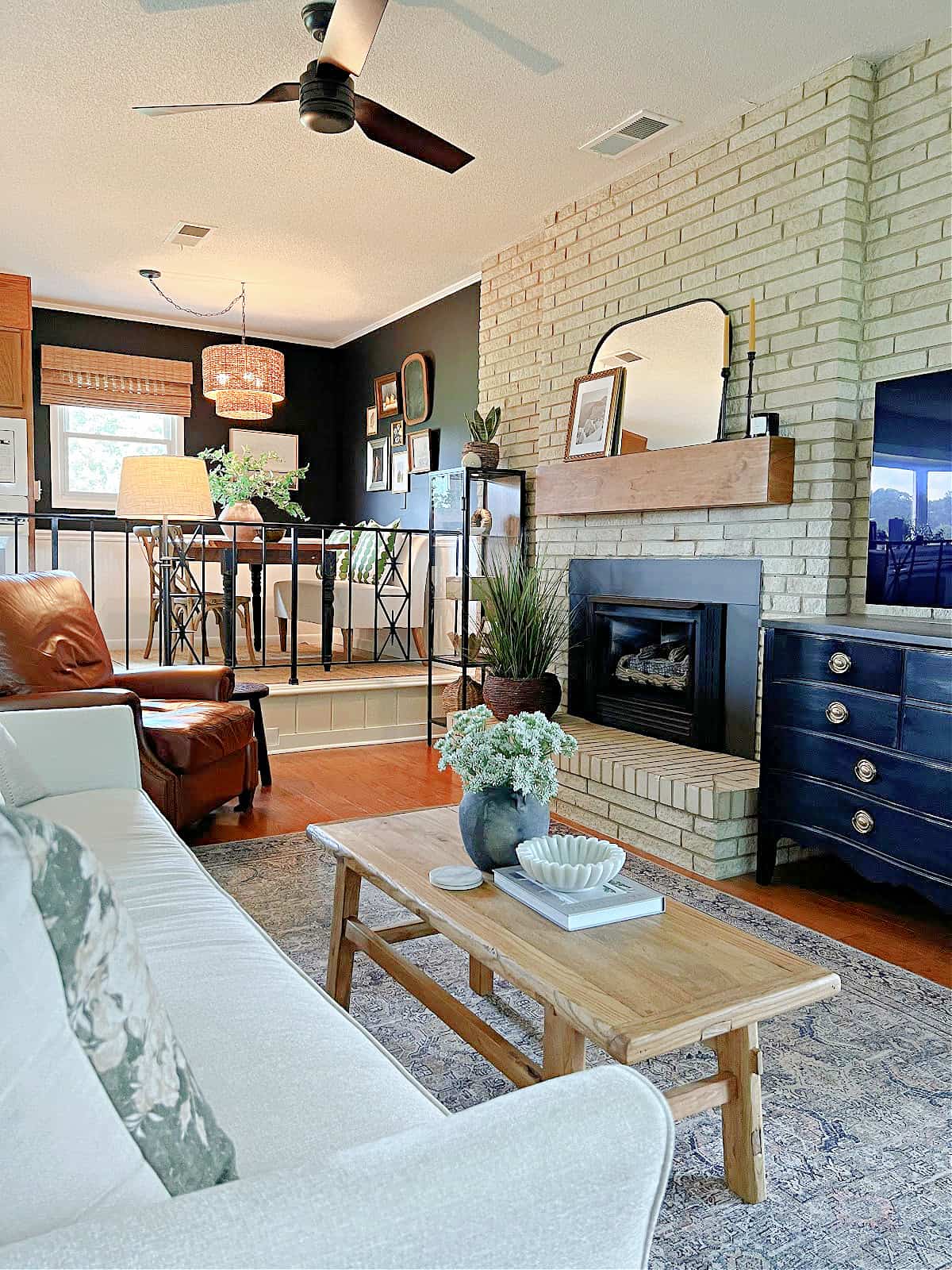
Adding decorative touches can transform a long narrow living dining room into a cozy, inviting space. Small details bring personality and warmth to the room. These touches break up the length and create visual interest. Use textures, patterns, and plants to enhance the design. Each element helps balance the narrow layout and adds charm.
Incorporate Textures
Mix different textures to add depth and softness. Use plush rugs, woven throws, and velvet cushions. Textured curtains or wall hangings also work well. These elements create a tactile experience that makes the room feel warm. Textures draw attention and stop the space from feeling flat or cold.
Use Vertical Patterns
Vertical patterns guide the eye upward and add height. Striped wallpaper or tall artwork can lengthen the walls visually. Choose curtains or rugs with vertical lines to enhance this effect. Vertical patterns break the long horizontal flow and bring balance. This trick makes the room feel less narrow and more spacious.
Add Greenery
Plants bring life and freshness to any room. Use tall plants to fill vertical space and soften edges. Small potted plants on shelves or tables add color and texture. Greenery brightens the room and improves air quality. It creates a natural, calming vibe that complements the living dining area.
Credit: www.chatfieldcourt.com
Frequently Asked Questions
How To Arrange Furniture In A Long, Narrow Living Room?
Divide the room into zones using rugs and furniture. Float sofas away from walls. Place key pieces perpendicular to length. Use vertical storage. Add mirrors and light colors to widen space visually.
What Is The 3-5-7 Rule In Interior Design?
The 3-5-7 rule in interior design means using 3 large, 5 medium, and 7 small decor items. It balances space and creates visual interest. This approach helps achieve harmony and avoids clutter, making rooms feel cohesive and stylish.
How To Make A Long, Narrow Room Look Wider?
Use light colors and mirrors to reflect light and create openness. Arrange furniture perpendicular to the room’s length. Divide the space with rugs and distinct zones. Pull furniture away from walls to improve flow. Choose curved or round pieces to soften lines and widen the space.
What Is The 3 4 5 Rule In Interior Design?
The 3-4-5 rule in interior design helps create balanced proportions by using lengths in a 3:4:5 ratio. This guides furniture placement and room layout for visual harmony.
Conclusion
Decorating a long narrow living dining room takes thoughtful planning. Use rugs and furniture to create clear zones. Choose light colors to brighten and open the space. Add mirrors to reflect light and add depth. Curved furniture softens sharp lines and adds flow.
Vertical storage keeps the floor clear and organized. Small touches make the room feel cozy and balanced. With these tips, your narrow space can look stylish and inviting. Enjoy designing a room that suits your lifestyle perfectly.