Is your long living and dining room feeling more like a challenging space than a cozy retreat? You’re not alone.
Decorating a long, narrow room can seem tricky, but with the right approach, you can transform it into a stylish, functional area that flows perfectly. Imagine creating zones that feel connected yet distinct, balancing furniture and decor so your room doesn’t feel like a tunnel.
In this guide, you’ll discover simple yet powerful tips to decorate your long living/dining room with ease—making it inviting, balanced, and beautifully your own. Ready to turn that awkward space into a stunning centerpiece of your home? Let’s dive in!
Credit: jane-athome.com
Layout Tips For Long Rooms
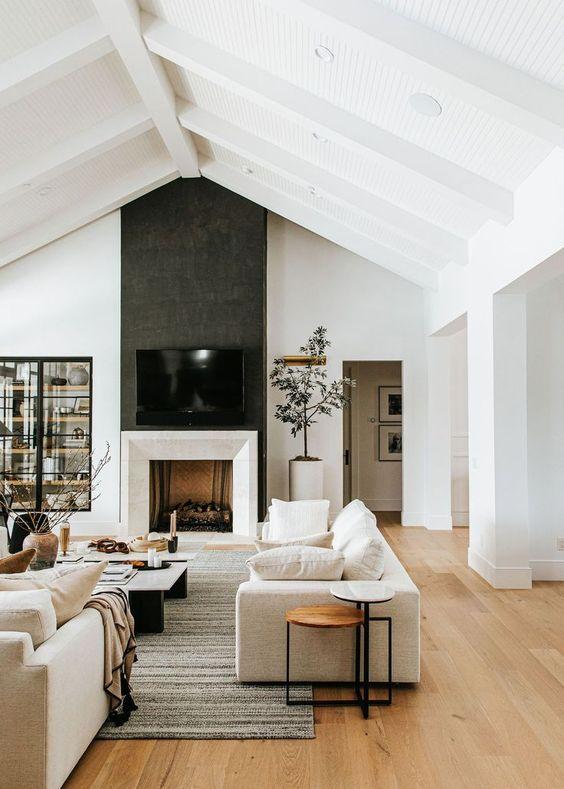
Long living and dining rooms can feel overwhelming without a clear layout plan. Proper arrangement helps these spaces feel cozy and functional. Use smart layout tips to make your long room inviting and practical. Focus on dividing the space, choosing furniture wisely, and maintaining flow.
Zoning Living And Dining Areas
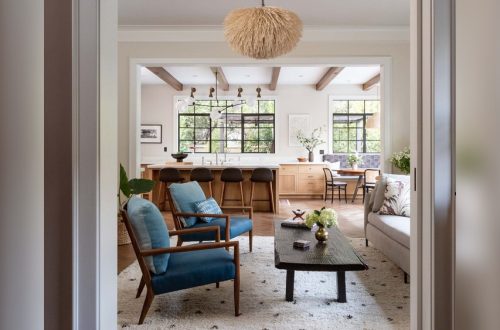
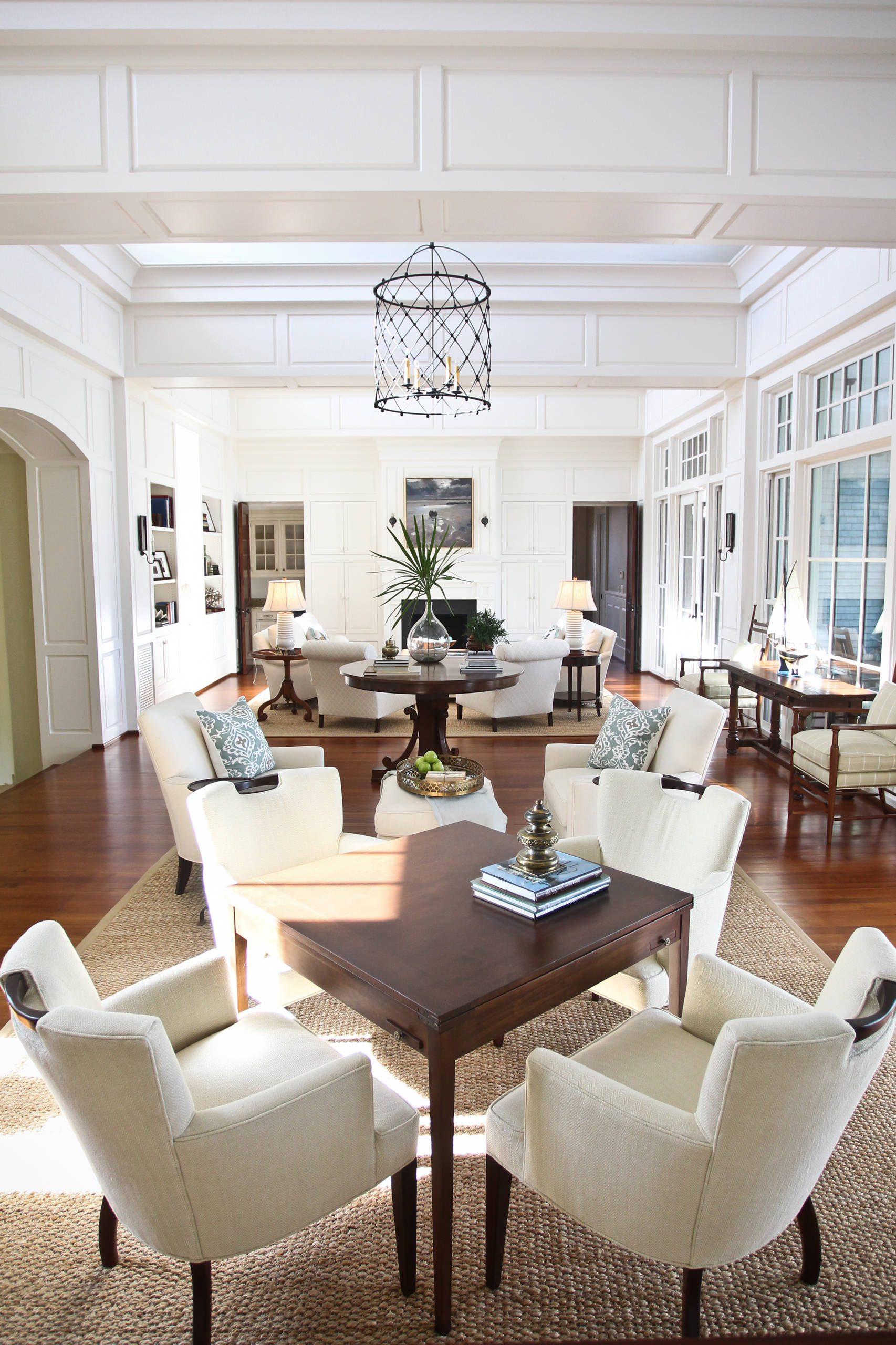
Divide the room into clear zones for living and dining. Use rugs or furniture placement to mark each area. A sofa can separate the living space from the dining table. This creates a sense of purpose for each zone. Zoning helps avoid a cluttered, confusing look.
Choosing The Right Furniture Scale
Select furniture that fits the room’s length and width. Avoid pieces that are too bulky or too small. Slimmer sofas and chairs work well in narrow spaces. A long dining table suits a stretched room but keep chairs comfortable. Proper scale keeps the room balanced and usable.
Creating Flow And Balance
Arrange furniture to encourage easy movement through the room. Leave clear walkways between zones and pieces. Balance heavy furniture with lighter items or open space. Use symmetrical layouts or groupings to create harmony. Good flow and balance make the room feel calm and welcoming.
Furniture Arrangement Ideas
Arranging furniture in a long living and dining room requires smart planning. The right layout enhances comfort and flow. It also defines separate zones without clutter. Choose placement styles that suit your space size and use. Select pieces that fit well and serve multiple functions.
Floating Vs. Wall Placement
Floating furniture means placing items away from walls. This creates open pathways and a cozy feel. It works well for seating areas in the middle of the room. Wall placement saves floor space and anchors large pieces. Use it for storage units or dining tables. Mixing both styles balances openness and structure.
Using Rugs To Define Spaces
Rugs help separate living and dining zones visually. Choose rugs that fit each area size and shape. Place a rug under the dining table to mark eating space. Use another rug in the seating area to create warmth. Rugs add texture and color while improving room flow.
Multi-functional Pieces
Multi-functional furniture saves space and adds value. Look for storage ottomans, extendable tables, or sleeper sofas. These pieces meet different needs without crowding the room. Use a bench with storage for dining or extra seating. This approach keeps the room tidy and practical.
Color And Pattern Strategies
Color and pattern strategies play a key role in decorating a long living or dining room. They help break up the space and add interest. Choosing the right combinations can make the room feel cozy, balanced, and inviting.
Using colors and patterns thoughtfully can also highlight different zones in the room. This approach creates harmony and flow without overwhelming the senses.
Applying The Rule Of Odds
The rule of odds is a simple styling trick. It means grouping items in odd numbers like three, five, or seven. Odd numbers catch the eye and feel more natural than even numbers.
Create small vignettes by arranging objects like vases or books in groups of three or five on tables or shelves. For larger areas, use seven items to add variety and depth.
Mix different heights, shapes, and textures within these groups. This adds balance and keeps the arrangement interesting. Odd-numbered groups create a focal point and make the space feel complete.
Mixing Patterns And Textures
Mixing patterns adds energy to a long room. Combine stripes, florals, or geometric shapes carefully. Stick to a common color theme to keep the look unified.
Textures like soft rugs, smooth ceramics, or rough wood bring warmth and touch appeal. Layering textures prevents the space from feeling flat or dull.
Use patterned throw pillows, textured curtains, or a patterned rug to create zones. This helps break the long room into smaller, cozy areas without walls.
Color Palettes For Depth And Warmth
Choose color palettes that add depth and warmth to the room. Warm tones like soft beige, terracotta, or muted gold make large spaces feel inviting.
Use darker shades on one wall or in the dining area to anchor the space. Lighter colors on walls and ceilings open up the room and keep it airy.
Accent colors in cushions, art, or decor items bring personality and life. Stick to three main colors for a balanced look that doesn’t overwhelm.
Credit: www.houzz.com.sg
Lighting Solutions
Decor and accessories bring personality and style to a long living and dining room. They break the space into cozy, inviting areas. Thoughtful choices add warmth and charm without cluttering. Use decor to guide the eye and create interest throughout the room.
Creating Small Vignettes
Group small objects like vases, books, or frames in odd numbers. Sets of three or five work best on tables or shelves. Vary heights and textures to keep the display lively. This technique draws attention and adds a personal touch. It also breaks large spaces into manageable, attractive spots.
Gallery Walls And Art Placement
Use gallery walls to fill empty vertical space with style. Combine different frame sizes and shapes for a dynamic look. Arrange art in odd-numbered groups for balance and flow. Place art at eye level for easy viewing. This approach creates a focal point and enhances the room’s character.
Incorporating Plants And Greenery
Plants bring life and color to long rooms. Use tall plants to fill corners and low plants on tables. Mix textures and leaf shapes for variety. Greenery softens hard lines and adds freshness. Even small plants can create a calm, natural vibe in the space.
Decor And Accessories
Maximizing storage in a long living and dining room helps keep the space neat and organized. It also makes the room feel larger and more welcoming. Clever storage ideas fit well without crowding the area. Use every inch wisely to balance style and function.
Built-in Shelving Ideas
Built-in shelves add storage without taking up floor space. They fit perfectly along long walls to display books and decor. Use shelves with closed cabinets below to hide clutter. Add lighting inside shelves to highlight favorite items. Custom shelves can match your room’s style and colors.
Stylish Storage Furniture
Choose furniture that stores items and looks good. Storage ottomans and benches work great for both seating and hiding things. Sideboards and buffets provide extra space for dining essentials. Pick pieces with clean lines to keep the room feeling open. Light colors and simple designs avoid visual heaviness.
Decluttering Tips
Keep only what you need and love to avoid clutter. Sort items into groups: keep, donate, or toss. Store seasonal or rarely used items out of sight. Use baskets and boxes to organize small pieces inside shelves. Regularly review your belongings to maintain a tidy space.
:max_bytes(150000):strip_icc()/living-dining-room-combo-4796589-hero-97c6c92c3d6f4ec8a6da13c6caa90da3.jpg)
Credit: www.thespruce.com
Maximizing Storage
Blending styles and eras brings depth and charm to a long living/dining room. Mixing old and new creates a unique, inviting space. This approach lets you showcase personal taste and creativity. It also breaks the monotony of a single style, making the room feel lively.
Careful planning helps balance different design elements. The goal is to create harmony without clutter. Using colors, shapes, and furniture wisely unites the space and adds interest.
Combining Traditional And Modern
Traditional pieces add warmth and character to the room. Modern elements offer clean lines and simplicity. Pair a classic wooden dining table with sleek metal chairs. Use a vintage chandelier above a minimalist sofa. This contrast keeps the room balanced and fresh.
Choose colors that connect both styles. Neutral tones work well as a base. Add bold accents to highlight features from each era. The mix feels intentional and stylish.
Eclectic Mix For Personality
Eclectic design reflects personality and stories. Mix patterns, colors, and objects from various times and places. Display artwork from different decades on one wall. Use rugs with diverse textures and prints. This creates a vibrant and welcoming atmosphere.
Keep some unity by repeating colors or shapes. This helps the eye move smoothly across the room. The result is a space full of life and character.
Using Textures To Unite Styles
Textures play a key role in blending styles. Soft fabrics, rough wood, and shiny metals add layers to the room. Use cushions and throws to soften hard surfaces. A leather chair next to a woven basket ties different materials together.
Mixing textures creates comfort and visual interest. It also helps balance cold and warm elements. This approach makes the long living/dining room feel cozy and complete.
Frequently Asked Questions
What Is The 3-5-7 Rule In Interior Design?
The 3-5-7 rule in interior design guides arranging objects in odd numbers. Use groups of three or five for small vignettes. Apply seven items for larger displays. This creates balance, visual interest, and a natural, appealing look by mimicking patterns found in nature.
What Is The 3 4 5 Rule In Interior Design?
The 3-4-5 rule in interior design means using at least three patterns, four styles, and five colors or textures. This creates a layered, balanced, and visually appealing space. It blends variety without overwhelming, ensuring harmony and depth in your room’s decor.
What Is The 70/30 Rule In Interior Design?
The 70/30 rule in interior design means using 70% of a dominant color and 30% of an accent color. This balance creates harmony and visual interest in a space. It helps rooms feel cohesive while adding contrast and depth to the overall design.
What Is The 2/3 Rule Furniture?
The 2/3 rule in furniture means arranging two-thirds of a space with furniture, leaving one-third open for balance and flow. It creates a natural, spacious feel and enhances room functionality and aesthetics.
Conclusion
Decorating a long living and dining room can feel simple and fun. Use furniture to divide the space without crowding it. Add rugs or lighting to create cozy zones. Group decorations in odd numbers for a natural look. Keep colors and textures balanced for harmony.
Let your style show through each choice. With these tips, your room will feel warm and inviting. Enjoy making your long room both stylish and comfortable.