Are you ready to transform your dining room into a stylish and inviting space with dark blue walls? Decorating a room with such a bold color might feel challenging, but the right choices can make your dining area look elegant, cozy, and full of personality.
Whether you want to add warmth, brightness, or a touch of luxury, this guide will help you discover simple and effective ways to complement your dark blue walls. Keep reading to find easy tips, clever color combos, and decorating ideas that will make your dining room a place you—and your guests—won’t want to leave.
Choosing The Right Shades
Choosing the right shades of dark blue for your dining room walls sets the mood and style. Dark blue has many variations. Each shade changes the room’s feel and light reflection. Picking the perfect shade helps balance warmth and calmness.
Consider how the shade works with your furniture and lighting. The wrong shade can make the room feel too dark or cold. The right choice makes the dining space inviting and stylish.
Navy Vs. Dark Blue Variations
Navy is a deep, rich blue with a slight hint of black. It creates a classic, formal look. Other dark blue shades may have more brightness or subtle undertones like gray or green. These variations offer softer or cooler moods.
Choose navy for a traditional, elegant dining room. Pick a lighter dark blue for a modern or relaxed atmosphere. Test paint samples on your wall to see how they look in natural and artificial light.
Matte, Glossy, Or Satin Finishes
Finish affects how the paint reflects light and texture. Matte finish has no shine. It hides wall flaws well and gives a cozy feel. It is perfect for a calm dining room.
Glossy finish shines brightly. It makes walls look sleek and modern but can show wall imperfections. Satin finish offers a soft shine. It balances durability and elegance, ideal for dining spaces.
Choose finish based on light in the room and your style preference. Matte for subtlety, glossy for boldness, satin for a gentle glow.
Complementary Color Pairings
Choosing complementary colors enhances the beauty of dark blue dining room walls. These colors create contrast and balance. They brighten the space and add personality. Using the right colors makes your dining room inviting and stylish.
Bold Orange Accents
Orange is the direct complement of dark blue. This pairing creates energy and excitement. Use bold orange in cushions, rugs, or art. It brings warmth and liveliness to the room. Orange accents break the deep blue without clashing.
Elegant Gold Touches
Gold adds luxury and sophistication to dark blue walls. Small gold details like lamps or picture frames enrich the decor. Gold’s shine contrasts beautifully with matte blue. This combination feels warm and elegant. It suits formal or classic dining rooms perfectly.
Soft Coral And Terracotta
Coral and terracotta offer a softer, modern touch. These muted orange shades are warm but subtle. Use coral in tableware or textiles for a gentle contrast. Terracotta pots or vases add earthy warmth. Both colors add comfort and style without overwhelming.
Bright Yellow Highlights
Yellow adds cheerfulness and brightness to dark blue walls. Use yellow in lighting, chairs, or decorative objects. This color pairing feels fresh and uplifting. Yellow highlights catch the eye and energize the space. It is perfect for a lively dining atmosphere.
Balancing With Neutral Tones
Dark blue walls in a dining room create a bold and dramatic backdrop. Balancing these deep tones with neutral colors softens the look. Neutrals bring calmness and allow the blue to shine without overwhelming the space. They add contrast and make the room feel open and inviting. Use neutral accents in furniture, decor, or textiles to create harmony.
Crisp White Elements
White is the perfect neutral to pair with dark blue walls. It brightens the room and adds freshness. Consider white dining chairs or a white rug. White curtains or trim also create clean lines. White accents highlight the blue without competing for attention. This combination looks timeless and elegant.
Sophisticated Grays
Gray tones add depth and softness to dark blue walls. Light or medium grays work best to avoid heavy contrast. A gray sofa or gray tablecloth brings a subtle balance. Gray artwork or cushions add texture and interest. This pairing creates a calm and stylish dining area.
Deep Green And Burgundy Hues
Deep greens and burgundy act like neutral tones with warmth. These colors complement dark blue without overpowering it. Use green plants or burgundy pillows for cozy accents. Rich wood furniture with green or burgundy details enhances the palette. These hues add richness and a natural feel to the room.
Credit: www.blesserhouse.com
Furniture And Fixtures
Choosing the right furniture and fixtures can transform dark blue dining room walls into a stylish space. The deep hue creates a cozy atmosphere, so balance is key. Furniture and fixtures bring warmth, texture, and light to the room. Each element should complement the bold wall color without overwhelming it.
Wooden Furniture Choices
Wooden furniture adds natural warmth to dark blue walls. Light or medium wood tones contrast beautifully with the deep blue. Oak, maple, or walnut tables and chairs create a welcoming feel. Avoid dark wood that may blend too much with the walls. Simple designs keep the room open and airy. A wooden dining table anchors the space with organic charm.
Metallic Accents And Lighting
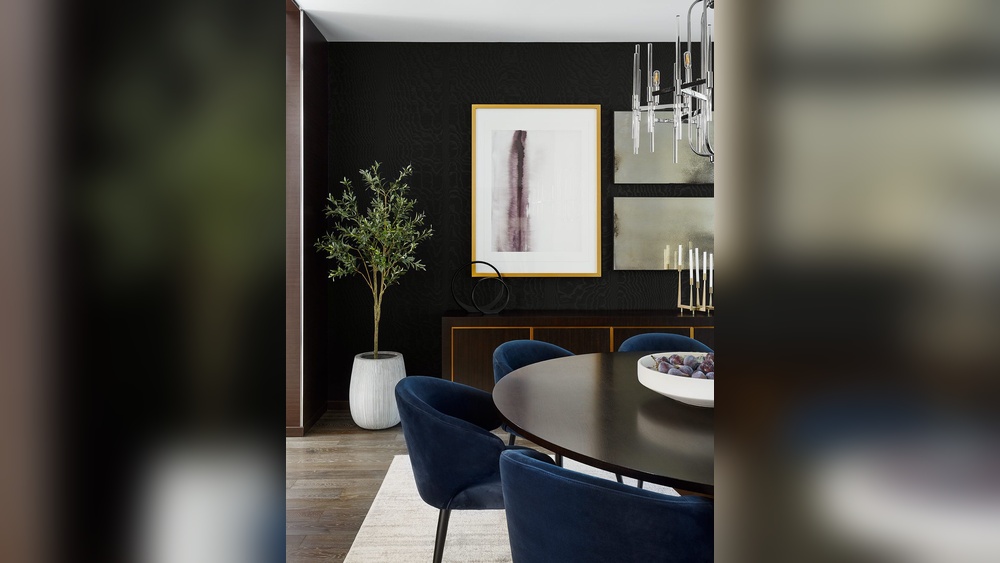
Metallic fixtures add shine and elegance against dark blue walls. Brass, gold, or copper accents create a rich and warm look. Consider a statement chandelier or pendant lights over the dining table. Metallic candle holders and decorative hardware add subtle sparkle. These touches reflect light and brighten the room. Use warm light bulbs to enhance the cozy vibe.
Textile Selection
Textiles soften the room and add color contrast. Choose cushions, curtains, and rugs in light or warm tones. Cream, beige, or soft orange textiles complement dark blue walls well. Patterns with subtle hints of blue tie the look together. Use fabrics like linen or cotton for a relaxed feel. Layer textiles for comfort and style in the dining area.
Wall Decor Ideas
Decorating dark blue dining room walls calls for thoughtful wall decor. The right pieces brighten and balance the deep color. They create a warm, inviting atmosphere for meals and gatherings. Choose items that contrast well and add texture or light. This makes the space feel lively and stylish.
Framed Art And Photography
Framed art adds personality to dark blue walls. Select pieces with light or warm tones. White or gold frames stand out beautifully against dark blue. Photography with natural scenes or abstract patterns brings interest. Arrange art in a gallery wall style for a modern look. Keep the sizes varied but balanced to avoid clutter.
Mirrors And Wall Sculptures
Mirrors reflect light and open up the room. Choose mirrors with unique shapes or decorative frames. Gold or brass frames add warmth to the blue walls. Wall sculptures create depth and texture. Metal or wooden sculptures in warm tones work well. Place them where they catch light to enhance their effect.
Shelving And Display
Floating shelves offer both function and style. Use them to display plants, ceramics, or small art pieces. Light wood or white shelves contrast nicely with dark blue walls. Keep shelf items simple and organized to avoid overwhelming the space. This adds personality while keeping the room airy and elegant.
Lighting For Mood And Style
Lighting plays a key role in setting the mood and style of a dark blue dining room. It helps balance the deep tones and creates a warm, inviting space. Proper lighting highlights the rich color and adds depth to the room. Choose lighting that complements the dark blue walls while enhancing comfort and style.
Ambient And Task Lighting
Ambient lighting provides overall illumination in the dining room. Use ceiling lights or recessed fixtures to brighten the space softly. Task lighting focuses on specific areas like the dining table. Pendant lights or adjustable lamps work well here. Together, ambient and task lighting create a balanced atmosphere. They make the room functional and cozy.
Statement Chandeliers
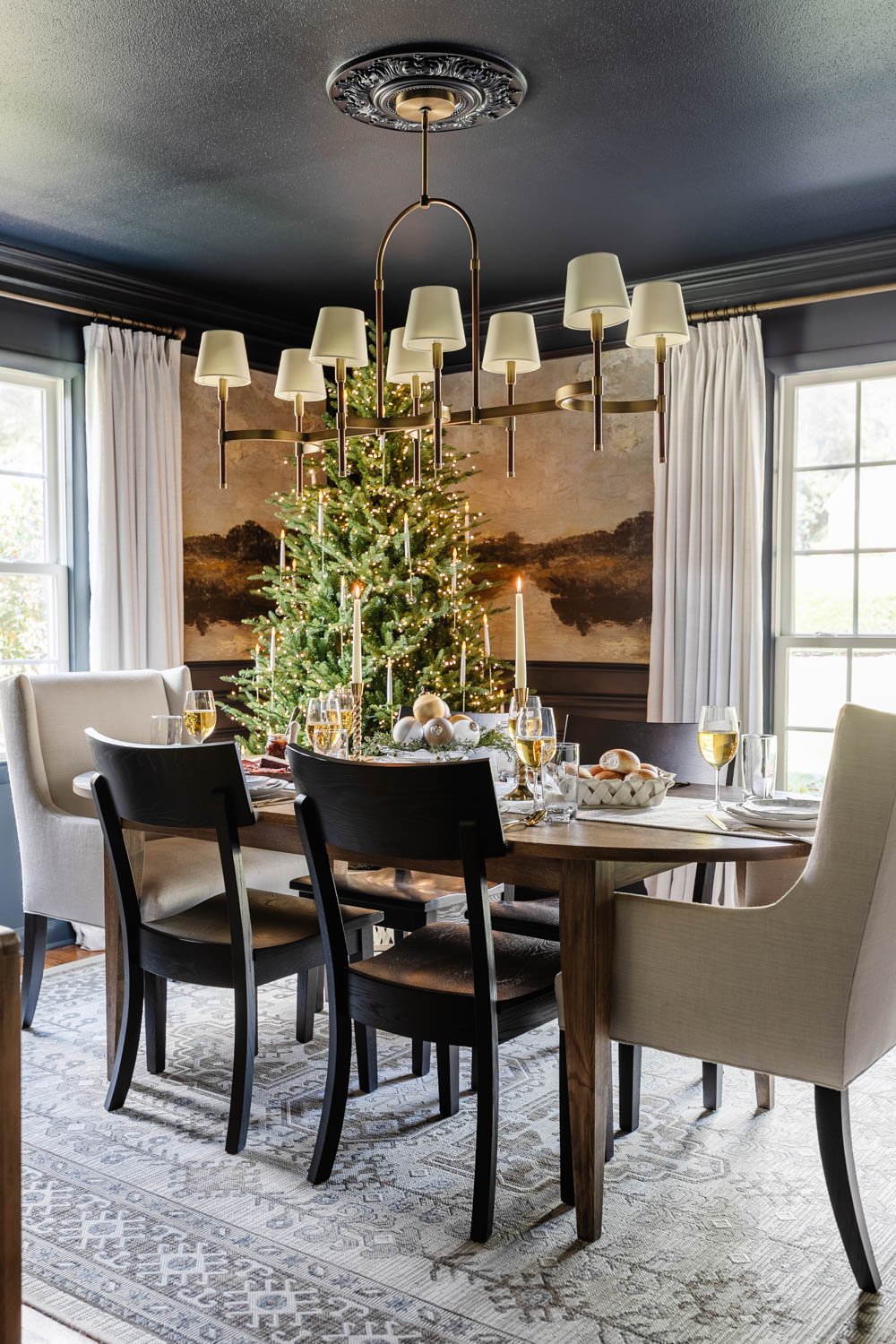
A statement chandelier adds style and elegance to dark blue walls. Choose one with gold or brass finishes for a classy look. Crystal chandeliers reflect light, brightening the room beautifully. Large or uniquely designed chandeliers act as focal points. They draw attention and add personality to the dining area. Pick a chandelier that fits the room size and décor.
Using Candles And Lamps
Candles bring warmth and softness to a dark blue dining room. Use candle holders in metallic tones to complement the walls. Table lamps add layers of light and create cozy corners. Choose lamps with fabric shades for gentle illumination. Combine candles and lamps to enhance the mood for dinners. These small touches make the room feel intimate and stylish.
Flooring And Rugs
Flooring and rugs play a key role in a dark blue dining room. They balance the deep wall color and add warmth to the space. Choosing the right floor and rug creates harmony and comfort. It also enhances the room’s style without overpowering the rich blue walls.
Warm Wood Floors
Warm wood floors bring natural warmth to dark blue walls. Shades like honey, oak, or walnut add a cozy feel. Wood floors create a classic look that complements navy tones well. The warmth of wood softens the coolness of blue, making the room inviting. Choose matte or satin finishes for a subtle shine that won’t reflect too much light.
Patterned And Solid Rugs
Rugs add texture and interest to the dining room floor. Patterned rugs with gold, cream, or terracotta hues brighten dark blue walls. Simple geometric patterns keep the look modern. Solid rugs in neutral tones like beige or soft gray create a calm base. Make sure the rug is large enough to fit under the dining table and chairs comfortably.
Layering Textures
Mixing textures adds depth to your dining space. Combine a soft wool rug with a wooden floor for contrast. A jute or sisal rug adds natural texture and warmth. Layer a smaller patterned rug over a larger solid one for visual interest. Textured rugs break up the solid colors and create a cozy atmosphere in the dining room.
:strip_icc()/blue-dining-room-ideas-25-tyler-karu-bath-historic-328a8f71d83446deb7bccb151ab4c5d3.jpeg)
Credit: www.mydomaine.com
Textile And Soft Furnishings
Textiles and soft furnishings bring warmth and texture to dark blue dining room walls. They soften the boldness of the color and create a cozy atmosphere. Choosing the right fabrics and colors can brighten the space or add depth. These elements also allow you to introduce patterns and layers easily.
Curtains And Drapes
Curtains frame your windows and set the room’s mood. Light-colored curtains contrast nicely with dark blue walls. Sheer fabrics let in natural light, keeping the room airy. For a richer look, velvet or heavy drapes in gold or cream add warmth. Patterns like subtle stripes or florals soften the strong blue background.
Cushions And Upholstery
Cushions add comfort and style to dining chairs or a nearby bench. Mix cushions in warm shades like burnt orange, coral, or mustard yellow. These colors pop against dark blue walls and feel inviting. Upholstered chairs in neutral tones balance the deep wall color. Textured fabrics such as linen or velvet bring dimension and charm.
Table Linens
Tablecloths, runners, and placemats complete the dining experience. Choose linens in light shades or metallic tones for contrast. White or cream linens brighten the table and complement dark blue walls. Gold or bronze accents add a touch of elegance. Patterns inspired by nature or geometric shapes add visual interest without overwhelming the space.
Incorporating Natural Elements
Incorporating natural elements into a dark blue dining room creates balance and warmth. Natural touches soften the boldness of dark blue walls. They add freshness and bring life to the space. Choose materials and decorations that connect the room to the outdoors. This approach makes the room inviting and cozy.
Indoor Plants
Indoor plants introduce greenery that contrasts beautifully with dark blue. Place potted plants on the floor or dining table. Tall plants add height and drama. Small succulents or herbs fit well on shelves or windowsills. Plants improve air quality and create a calm atmosphere. Choose easy-care plants for low maintenance.
Natural Materials
Wood, stone, and woven fibers work well with dark blue walls. A wooden dining table or chairs add warmth and texture. Stone or ceramic vases bring an earthy feel. Use rattan or jute rugs and baskets to soften hard surfaces. These materials create a grounded and natural look. They help the room feel balanced and welcoming.
Seasonal Decorations
Changing decorations with the seasons keeps the room fresh and lively. Use natural items like pinecones, dried flowers, or fresh branches. In spring, add bright flowers or fresh greenery. Autumn calls for pumpkins, leaves, and warm-colored accents. Winter invites evergreen garlands or candles. Seasonal touches connect the room to nature’s cycles.
Styling Tips For Small Spaces
Decorating a small dining room with dark blue walls can feel tricky. Dark colors may seem to shrink the space. Yet, the right styling can make the room feel cozy and inviting without looking cramped. These tips help you use your space well and keep the room bright and stylish.
Maximizing Light
Light is key in small rooms with dark walls. Use sheer curtains to let in natural light. Place mirrors opposite windows to reflect light around. Choose lighting with a warm glow to soften the dark blue color. Avoid heavy drapes that block sunlight. Brighten corners with small lamps or candles.
Choosing Multi-functional Pieces
Small dining rooms need furniture that does more than one job. Pick a dining table with storage underneath. Use chairs that tuck neatly under the table. Consider benches that can double as storage boxes. Foldable or extendable tables save space when not in use. Multi-use pieces keep the room open and uncluttered.
Creating Visual Depth
Visual depth stops dark walls from feeling flat or closed in. Layer rugs with different shades or textures. Add artwork or wall decor with light or metallic frames. Use slim shelves to display small plants or decorative items. Choose furniture with legs to let the floor show beneath. These tricks add dimension and interest to the room.

Credit: homedesigns.ai
Frequently Asked Questions
What Color Compliments A Dark Blue Wall?
Orange complements a dark blue wall by adding vibrant contrast. Gold offers an elegant touch, while coral or terracotta provide a warm, modern feel. White and gray create clean, balanced looks. Emerald green and burgundy add richness and luxury to dark blue spaces.
Is Blue A Good Color For A Dining Room?
Blue can create a calm, elegant dining room, but it may reduce appetite. Pair it with warm accents like orange or gold for balance.
What Is The Complementary Color To Dark Blue?
The complementary color to dark blue is orange. It creates a bold, vibrant contrast perfect for energetic designs. Gold adds elegance, while coral and terracotta offer warm, modern alternatives. Yellow brightens the palette, enhancing dark blue’s richness in various decor styles.
What To Hang On A Dark Blue Wall?
Hang framed artwork or black-and-white photos on a dark blue wall to add contrast and interest. Gold or brass accents enhance elegance. Consider wooden shelves or natural textures for warmth. Bright prints with orange, coral, or yellow tones create vibrant, eye-catching decor.
Conclusion
Dark blue walls add depth and style to your dining room. Use light colors to balance the darkness. Metallic accents like gold bring warmth and elegance. Soft textures create a cozy and inviting space. Choose complementary colors such as coral or terracotta for contrast.
Keep furniture simple and bright to avoid heaviness. Personal touches make the room feel welcoming and unique. With these tips, your dark blue dining room will look beautiful and comfortable. Enjoy creating a space where friends and family love to gather.