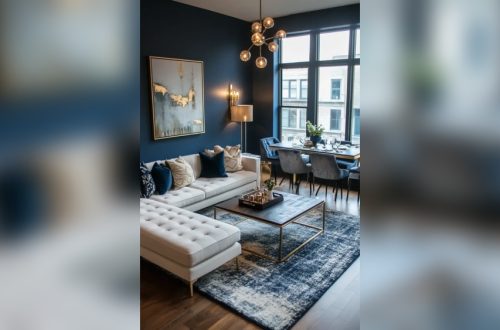
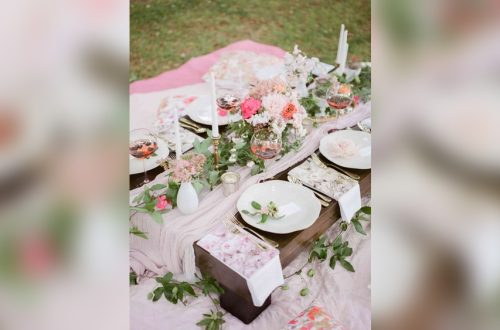
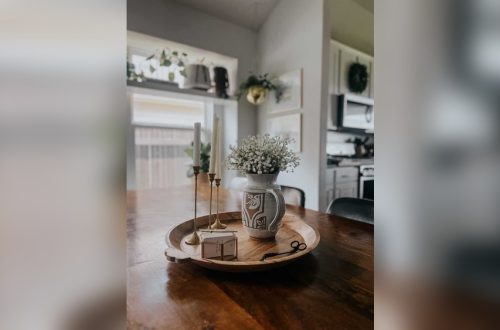
Are you ready to transform your living room and dining room into spaces that feel both stylish and inviting? Decorating these two important areas can sometimes feel overwhelming, especially when you want them to flow seamlessly together.
But what if you could create a cozy, balanced, and beautiful environment that welcomes your family and guests alike? This guide will show you simple yet powerful decorating tips that anyone can use to make the most of your living and dining rooms.
From clever layouts to decorating tricks like grouping items in odd numbers, you’ll discover how to design spaces that reflect your personality and make every moment more enjoyable. Keep reading, and let’s bring your dream rooms to life!

Credit: www.matterbrothersfurniture.com
Living Room Layouts
The living room is the heart of your home. Its layout shapes how you relax and entertain guests. A well-planned layout creates comfort and style. It also improves flow and makes the space feel larger.
Choosing the right layout depends on your room size and how you use the space. The goal is to balance function with beauty. Consider different layouts to find what suits your lifestyle best.
Open Plan Ideas
Open plan layouts connect the living and dining rooms. This design creates a spacious, airy feel. Use rugs to define each area without walls. Keep furniture low and light to maintain openness. This layout encourages socializing and easy movement.
Zoning Spaces
Zoning divides your room into functional areas. Use furniture placement, rugs, or lighting to mark zones. A sofa can separate the living space from dining. Shelves or screens can act as subtle dividers. Zoning helps organize the room and adds structure.
Furniture Placement Tips
Arrange furniture to support conversation and flow. Place seating around a focal point like a fireplace or TV. Leave clear paths for walking to avoid crowding. Avoid pushing all furniture against walls; pull pieces inward for coziness. Choose scale-appropriate furniture for balance and comfort.
Dining Room Design
The dining room is a key space for meals and gatherings. Designing it with care creates a warm, inviting atmosphere. Choosing the right elements helps make the room both functional and stylish. Consider the size, shape, and lighting to fit your needs perfectly.
Table Shapes And Sizes
Select a table shape that fits your space and style. Round tables encourage conversation and work well in small rooms. Rectangular tables suit larger areas and offer more seating. Square tables create a modern look and fit well in compact spaces.
Measure your room before buying a table. Leave enough space around for easy movement. A good rule is to allow at least 36 inches between the table and walls or furniture.
Seating Arrangements
Choose chairs that match your table and decor. Mix different styles for a relaxed, personalized feel. Bench seating saves space and adds a casual touch. Ensure chairs are comfortable and fit under the table easily.
Arrange seats to allow enough space for each person. Avoid overcrowding to keep the area inviting. Add cushions or throws for extra comfort and style.
Lighting Choices
Lighting sets the mood in your dining room. A chandelier or pendant light above the table creates a focal point. Use dimmable lights to adjust brightness for different occasions. Combine overhead lights with wall sconces or lamps for layered lighting.
Natural light enhances the room during the day. Use sheer curtains to soften sunlight without blocking it. Proper lighting makes meals more enjoyable and the room feel cozy.
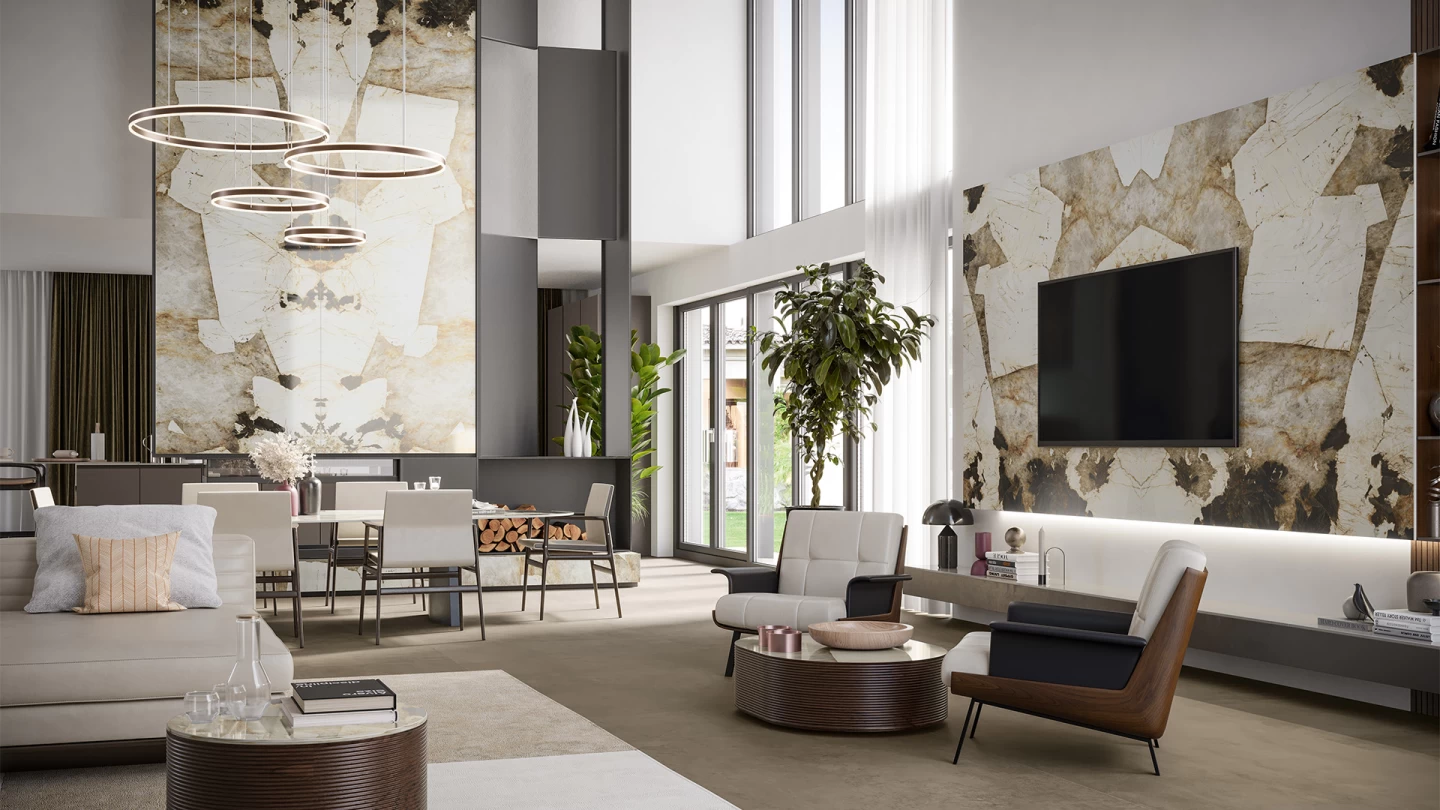
Combining Living And Dining Areas
Combining the living and dining areas creates an open, flexible space perfect for modern homes. This design allows easy movement and social interaction. It also maximizes space in smaller homes or apartments.
Careful planning helps these two zones work together without feeling crowded. You want a balance between unity and distinct function for each area.
Creating Flow
Arrange furniture to guide movement smoothly between living and dining zones. Keep pathways clear to avoid obstacles. Use rugs or furniture placement to mark each area’s boundaries. Avoid blocking sightlines; open views make the space feel larger. Choose furniture sizes that fit well and don’t overpower the room.
Visual Separation Techniques
Divide the areas using subtle methods. A bookshelf or low console can act as a divider without closing off space. Different lighting fixtures help define each zone. Use area rugs with different patterns or colors to separate the floor visually. Room dividers or plants can create soft boundaries without walls.
Cohesive Color Schemes
Use a consistent color palette for both spaces to unify the design. Choose colors that complement each other and create harmony. Soft neutrals with pops of color work well. Repeat key colors in furniture, decor, and wall art. This approach ties the living and dining rooms together visually.
Credit: www.atlasplan.com
Decorative Groupings
Decorative groupings bring life and personality to your living and dining rooms. They create focal points that catch the eye and add charm. Thoughtful arrangements of objects can make your space feel warm and inviting. These groupings help show your style without cluttering your rooms.
Rule Of Odd Numbers
Group items in odd numbers like three, five, or seven. Odd numbers create a natural and balanced look. Even numbers can feel too formal or stiff. An odd number of objects draws attention and feels more relaxed. Try placing three candles or five small plants together for better visual interest.
Mixing Heights And Textures
Combine items of different heights to add depth. Tall vases, short bowls, and medium-sized books work well together. Mixing smooth, rough, soft, and shiny textures brings variety. This contrast makes your grouping more dynamic and pleasing to the eye. It stops the display from looking flat or boring.
Using Color Variations
Choose colors that fit your room’s palette but vary their shades. Use lighter and darker tones for a layered effect. Stick to two or three main colors to keep harmony. Color variations add interest without overwhelming your space. This approach makes your groupings stand out while fitting the room’s style.
Styling Tips
Styling your living and dining rooms creates a warm, inviting space. Focus on small details that bring personality and charm. Thoughtful decor adds balance and interest to any room. Simple tips help you arrange items with ease and style.
Vignettes On Tables
Create small scenes on tables using groups of items. Use odd numbers like three or five for balance. Mix different heights, such as a tall candle, a small plant, and a decorative bowl. Add textures like wood, glass, or fabric to create contrast. Keep colors in the same family for a unified look. Change vignettes seasonally for fresh appeal.
Shelves And Mantels
Arrange objects on shelves and mantels to avoid clutter. Combine books with decorative pieces like frames or sculptures. Use varying heights and shapes for visual rhythm. Leave some empty space to let items breathe. Layer items by placing smaller pieces in front of larger ones. Stick to a color scheme to keep the display cohesive.
Entryway Displays
First impressions matter in your entryway. Use a console table or shelf for a stylish display. Add a mirror to reflect light and open the space. Place a bowl for keys and small items. Include a small vase with fresh or faux flowers. Use a tray or basket to keep things organized. This creates a welcoming and practical entry area.
Maximizing Small Spaces
Maximizing small spaces in your living and dining rooms requires smart planning. The goal is to make the area feel open and functional. Small rooms can be cozy and stylish with the right approach. Use clever tricks to stretch your space visually and practically. Focus on furniture, lighting, and organization to get the most out of every inch.
Multi-functional Furniture
Choose furniture that serves more than one purpose. A sofa bed can offer seating and a guest bed. Storage ottomans hold items and provide extra seating. Foldable dining tables save space when not in use. Multi-functional pieces reduce clutter and open up the room. They help keep the space neat and flexible for various activities.
Light And Mirrors
Bright rooms feel larger and more inviting. Use natural light by keeping windows clear. Add sheer curtains to soften light without blocking it. Place mirrors across from windows to reflect light around the room. Mirrors create an illusion of depth and space. Use light-colored walls and furniture to enhance brightness.
Clutter-free Zones
Keep your living and dining areas tidy to avoid feeling cramped. Assign specific spots for items like keys, mail, and remotes. Use baskets and boxes to hide small clutter. Clear surfaces regularly to maintain openness. A clutter-free room feels bigger and more relaxing. It also makes decorating easier and more effective.
Choosing Materials And Textiles
Lighting plays a key role in decorating your living room and dining room. It sets the mood and highlights important areas. Using different lighting types creates a balanced and inviting space. Choose the right lighting for each room function and style.
Ambient Lighting
Ambient lighting gives general light to the whole room. Ceiling fixtures, chandeliers, or flush mounts work well. They make the space bright and comfortable for everyday activities. Use dimmers to adjust brightness for different times and moods.
Task Lighting
Task lighting focuses on areas where you do specific activities. Reading lamps by the sofa or pendant lights over the dining table help here. This lighting is brighter and direct. It makes tasks easier and more pleasant to do.
Accent Lighting
Accent lighting highlights special features like artwork or plants. Use wall sconces, spotlights, or LED strips for this. It adds depth and interest to the room. Accent lights create a cozy and stylish atmosphere.

Credit: www.atlasplan.com
Frequently Asked Questions
What Is The 3-5-7 Rule Of Decorating?
The 3-5-7 rule of decorating groups items in odd numbers for visual balance. Use three, five, or seven pieces varying in height, texture, and color. This creates natural, dynamic arrangements that enhance any space without clutter.
What Is The Rule Of 3 When Decorating?
The rule of 3 in decorating means grouping items in odd numbers, usually three, for visual balance. Mix heights, textures, and colors within these groups. This creates natural, dynamic arrangements that enhance any space without clutter. Use it on shelves, tables, and entryways for best results.
What Is The 3 4 5 Rule In Interior Design?
The 3-4-5 rule in interior design groups items in odd numbers—three, four, or five—for balanced, natural decor arrangements. It mixes heights, textures, and colors to create visual interest and harmony. This guideline enhances spaces like shelves, tables, and entryways with artful, dynamic displays.
What Is The 2 3 Rule For Couches?
The 2-3 rule for couches suggests pairing two couches with three accent chairs. This creates balanced, inviting seating arrangements in living rooms.
Conclusion
Decorating your living and dining rooms can be simple and fun. Start by choosing a clear layout that suits your space. Use groups of three or five items to create balance and interest. Mix different heights, colors, and textures for a lively look.
Keep your color scheme consistent but allow small variations. Remember to measure your space before buying furniture. This helps avoid overcrowding and keeps the room comfortable. Most importantly, trust your style and make the space feel like home. A well-decorated room invites comfort and joy every day.