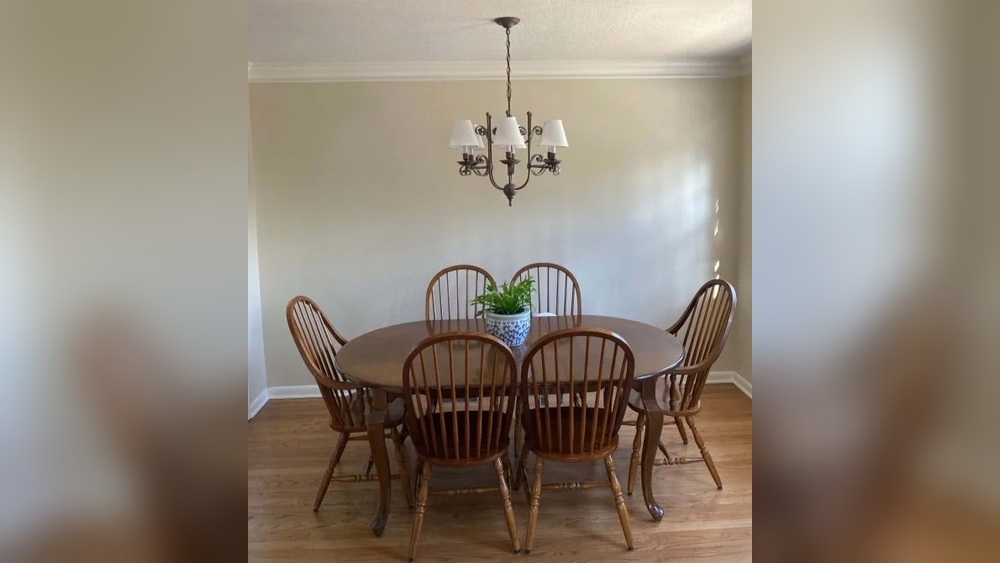
Is your dining room wall staring back at you, completely bare and begging for attention? That blank space might feel like a challenge, but it’s actually a golden opportunity to transform your dining area into a warm, inviting space where memories are made.
You don’t have to be an expert or spend a fortune to turn that empty wall into a stunning focal point. Whether you want to add personality, create a cozy vibe, or make your room appear bigger, this guide will walk you through simple, effective ways to decorate your blank dining room wall.
Ready to discover how a few creative touches can change the entire feel of your space? Let’s dive in.
Credit: www.reddit.com
Wall Art Ideas
Decorating a blank wall in your dining room can transform the entire space. Wall art brings personality and style, making the room inviting. Choosing the right art enhances your dining experience and complements your décor.
Unique Artwork Styles
Choose artwork that reflects your taste and the room’s mood. Abstract paintings add color and energy. Vintage prints bring charm and warmth. Handmade crafts or textile art add texture and interest. Mix different styles for a lively, personal touch.
Gallery Wall Arrangements
Create a gallery wall by grouping several smaller pieces together. Use frames of different sizes and shapes for variety. Keep a consistent color theme to unify the look. Arrange art in a grid or an organic pattern. This style fills space and tells a story.
Large Statement Pieces
Select one big artwork to serve as the room’s focal point. Bold colors and striking designs draw attention instantly. Oversized photographs or paintings work well. Large mirrors with decorative frames also add depth and light. Place the piece at eye level for maximum effect.

Credit: www.reddit.com
Mirrors And Reflective Decor
Mirrors and reflective decor transform a blank dining room wall with style and function. They reflect natural light, making the space feel brighter and larger. These elements add depth and elegance without cluttering the room.
Choosing The Right Mirror
Select a mirror size that fits your wall and dining table scale. Large mirrors create a bold statement, while smaller ones offer subtle charm. Opt for shapes that match your room’s style—round for softness, rectangular for modern looks.
Creating Light And Space
Place mirrors across from windows to bounce light around the room. This brightens the dining area and opens up tight spaces. Reflective decor like metallic trays or glass wall art also adds shimmer and visual interest.
Decorative Mirror Frames
Frame styles enhance the mirror’s impact and match your decor theme. Wooden frames bring warmth and rustic appeal. Metal frames add a sleek, contemporary touch. Choose colors and textures that complement your dining room palette.
Textiles And Wall Hangings
Textiles and wall hangings transform a blank dining room wall into a warm, inviting space. They add color, texture, and personality without needing heavy furniture or large artwork. Using fabrics brings softness and can make your dining area feel cozy and complete.
Tapestries For Drama
Tapestries bring bold style and a touch of drama to your wall. Choose one with rich colors or detailed patterns to create a strong focal point. A tapestry can cover a large area and instantly change the room’s mood.
Hang it at eye level to draw attention during meals. It also helps absorb sound, making the dining experience more pleasant.
Fabric Panels And Drapery
Fabric panels or drapery add vertical lines and softness to the wall. Select light materials for an airy feel or heavier fabrics for a more formal look. They break up empty space and add depth.
Panels can be simple or layered with trims and tassels for extra detail. Drapery rods and decorative hooks also enhance the overall style.
Layering Textures
Combine different textiles to create rich, layered textures on the wall. Mix woven fabrics, embroidered cloth, and even macramé for a unique look. This layering adds interest and makes the wall feel dynamic.
Play with various fabric weights and finishes. Soft cotton, rough burlap, and silky threads together bring a tactile experience that invites touch.
Shelving And Functional Decor
Empty walls in the dining room offer a great chance to combine style and function. Shelving and functional decor help fill space while adding practical use. They create spots to display art, plants, or dinnerware. Shelves also keep essentials within reach and organized. This approach makes the dining area more inviting and efficient.
Floating Shelves
Floating shelves attach directly to the wall without visible brackets. They look clean and modern. Use them to display small plants, candles, or framed photos. Choose wood or metal shelves to match your room’s style. Keep items spaced evenly for a balanced look. Floating shelves make your wall feel lively but not crowded.
Display Shelves For Decor
Display shelves showcase your favorite decor pieces. Arrange plates, vases, or collectibles to add personality. Use shelves with different shapes or colors for visual interest. Place artwork or decorative bowls on these shelves. This setup turns a blank wall into a gallery-like space. Rotate items seasonally to keep the dining room fresh.
Incorporating Storage
Storage shelves combine beauty and usefulness. Add baskets or boxes to keep small items tidy. Store extra napkins, utensils, or cookbooks within easy reach. Use sturdy shelves or cabinets to hold heavier items. Storage shelves reduce clutter and keep your dining room neat. They help create a welcoming and organized space.
Using Plants And Greenery
Using plants and greenery is a fresh way to decorate a blank wall in your dining room. Plants bring life and color to the space. They create a calm and welcoming atmosphere. Greenery softens harsh lines and adds natural beauty. There are many ways to use plants, from tall leafy plants to small pots on shelves.
Tall Plants For Corners
Tall plants fit perfectly in empty corners near blank walls. They fill space without cluttering the room. Examples include fiddle leaf figs, snake plants, and palms. These plants add height and draw the eye upward. Place them in simple pots that match your decor style. Tall plants create a natural frame for your dining area.
Plant Groupings
Group several plants of different sizes and shapes for a lively display. Use small pots on a shelf or a plant stand. Combine leafy plants with succulents for texture contrast. Groupings look fuller and more interesting than single plants. Change pots or plants seasonally to keep the look fresh. Clusters of greenery add depth to blank walls.
Creative Planters
Choose unique planters to make plants stand out as decor. Look for colorful pots, woven baskets, or hanging containers. Creative planters add personality and style to your dining room. Use ceramic, wood, or metal pots for different effects. Hanging planters save floor space and add vertical interest. Planters are an easy way to blend plants with your design.
Lighting Enhancements
Lighting plays a key role in transforming a blank wall in your dining room. It adds warmth, highlights decor, and creates a welcoming atmosphere. Proper lighting enhances the room’s style and makes the space feel cozy and inviting. Explore different lighting options to make your dining area stand out.
Wall Sconces
Wall sconces bring soft, focused light to empty walls. They add charm and style without taking floor space. Choose designs that match your dining room’s theme. Place sconces on either side of a mirror or artwork for balance. They also work well alone to brighten a dark corner.
Accent Lighting
Accent lighting draws attention to specific wall features. Use spotlights or LED strips to highlight art or textured walls. This type of lighting adds depth and visual interest. Accent lights create shadows and layers that make your dining room feel dynamic. It is subtle yet effective in decorating blank walls.
Combining Lamps And Art
Mix table lamps or floor lamps with wall art for a stylish look. Lamps provide soft, ambient light that complements paintings or photos. Position lamps near the wall to add glow around your decor. This combination creates a warm and inviting dining space. It also adds variety and texture to the room’s lighting.
Decorating Corners
Empty corners in the dining room offer great chances to add style and function. Decorating these spaces can bring warmth and personality to your room. Clever corner designs make your dining area feel complete and inviting.
Use corners wisely to balance the room’s look. Choose pieces that fit the space well and match your style. Corner decor can store items, showcase collections, or create cozy spots. Here are some ideas to decorate corners beautifully.
Bar Carts And Sideboards
Place a bar cart in the corner to serve drinks with ease. Bar carts add charm and keep your glassware organized. Choose one with wheels for easy movement.
Sideboards also fit well in corners. They provide storage for dishes and linens. The top surface can hold lamps, flowers, or art pieces. A sideboard keeps your dining room tidy and stylish.
Reading Nooks
Create a small reading nook with a comfy chair and lamp. This spot offers a quiet place to relax before or after meals. Add a small side table for books or tea cups. A rug under the chair adds warmth and color.
Corner Cabinets And Desks
Corner cabinets store fine china or collectibles beautifully. Glass doors showcase your items while protecting them from dust. Choose a cabinet that fits the corner snugly to save space.
Small desks can serve as writing spots or buffet stations. They add function without crowding the dining area. Keep the desk simple and neat to avoid clutter.

Credit: carlaaston.com
Color And Texture Tips
Color and texture play a vital role in decorating a blank wall in the dining room. They bring life to the space and create a warm, inviting atmosphere. Choosing the right colors and mixing textures can make your dining area feel cozy and stylish.
Choosing Wall Colors
Select colors that match your dining room’s overall style. Soft, warm tones create a relaxing mood. Cool colors like blues and greens offer calmness. Bold colors add energy but use them sparingly. Consider the lighting in your room before picking a shade. A well-chosen color sets the perfect backdrop for your dining space.
Mixing Materials
Combine different textures to add depth and interest. Use smooth surfaces like painted walls with rough textures like brick or wood panels. Fabric wall hangings or tapestries bring softness. Metal or glass accents add a modern touch. Mixing materials creates a balanced and tactile experience that draws attention.
Balancing Bold And Neutral
Balance bold colors or patterns with neutral shades. Use bright artwork on a neutral wall or neutral frames on a bold color. This contrast keeps the space lively but not overwhelming. Neutral colors calm the room and make bold elements stand out. Aim for harmony between bold and soft tones for a pleasing look.
Arranging Wall Decor
Arranging wall decor in your dining room transforms a blank wall into a stunning feature. Thoughtful placement creates harmony and enhances the room’s atmosphere. The right arrangement adds personality without overwhelming the space. Let’s explore key tips to arrange wall decor beautifully.
Proportion And Scale
Choose wall art that fits the size of your wall and furniture. Large pieces suit big walls, while small ones work best on narrow spaces. Keep the decor’s size balanced with your dining table or sideboard. Avoid tiny art on a vast wall; it looks lost and awkward.
Odd Number Groupings
Group art or decor in odd numbers like three or five for visual interest. Odd numbers create a natural flow and feel less rigid. Arrange pieces close together with equal spacing. Mixing shapes and sizes in odd groups adds charm and depth.
Balancing With Furniture
Match wall decor height with furniture to create balance. Hang art slightly above the furniture’s top edge for a cohesive look. Avoid placing decor too high or low, which breaks harmony. Consider the style and color of furniture to complement the wall pieces.
Frequently Asked Questions
What To Hang On A Wall In A Dining Room?
Hang unique artwork, mirrors to brighten, tapestries for texture, or drapery to create warmth in your dining room wall.
How To Make An Empty Wall Look Good?
Hang a statement artwork or mirror to create a focal point. Add shelves, plants, or textured panels for interest. Use balanced proportions for harmony.
What Is The 2 3 Rule For Wall Art?
The 2/3 rule for wall art means the artwork’s width should be about two-thirds the width of the furniture or wall it decorates. This creates visual balance and harmony in a room’s design.
How To Fill An Empty Corner In A Dining Room?
Fill an empty dining room corner with a large plant, bookshelf, bar cart, or cozy reading nook. Add artwork or a mirror to enhance space and style.
Conclusion
Decorating a blank dining room wall adds charm and personality to your space. Choose pieces that reflect your style and fit the room size. Mix textures, colors, and shapes for visual interest. Remember, balance and simplicity create a cozy, inviting atmosphere.
Small changes can make a big difference in your dining room’s look. Enjoy transforming your blank wall into a beautiful focal point.