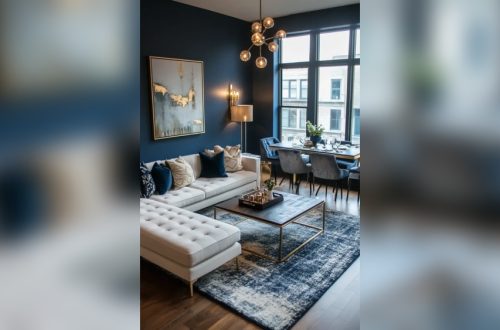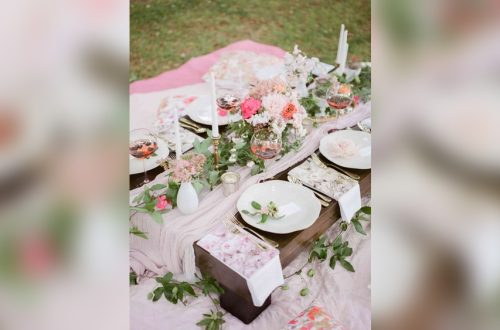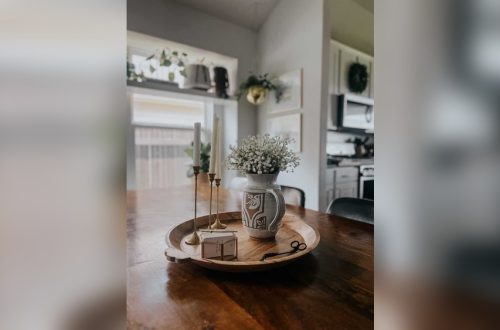
Are you ready to transform your dining space into a stunning blue haven? Decorating a blue dining room can feel tricky, but with the right colors, textures, and accents, you can create a cozy and stylish atmosphere that invites good food and great conversation.
Whether you prefer soft, calming shades or bold, dramatic blues, this guide will help you discover easy ways to make your blue dining room truly shine. Keep reading to unlock simple tips and inspiring ideas that will turn your dining area into a beautiful retreat you’ll love spending time in.
Choosing The Right Blue Shade
Choosing the right blue shade sets the tone for your dining room. Blue can feel calm, fresh, or dramatic based on the shade you pick. It affects the room’s mood and how other elements look. Think about the size of your room and natural light. These factors help decide which blue shade fits best. A well-chosen blue creates a welcoming and stylish space.
Light Vs Dark Blues
Light blues make a room feel open and airy. They reflect more light and create a soft, peaceful vibe. Use light blues in small or dim rooms to brighten the space. Dark blues add depth and drama. They work well in large rooms or spaces with lots of light. Dark blues make the room feel cozy and elegant. Both light and dark blues offer unique moods for your dining room.
Matte, Satin, And Glossy Finishes
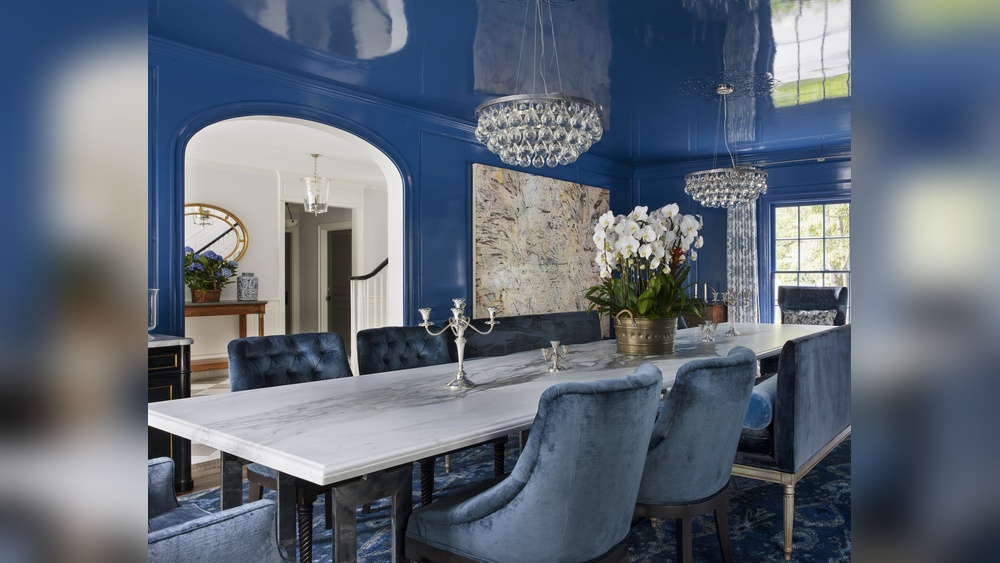
Matte finishes have a flat look with no shine. They hide wall imperfections well and give a subtle, modern feel. Satin finishes have a soft sheen that adds warmth. They are easier to clean than matte and work well in dining rooms. Glossy finishes reflect light strongly and create a bold, polished look. Use glossy finishes on accent walls or trim for a stylish touch. Choose a finish that matches your style and room function.
Complementary Colors For Blue
Choosing the right complementary colors for blue can transform your dining room. Blue is versatile and pairs well with many shades. It can create calm, lively, or elegant atmospheres depending on the colors used. Understanding these complementary colors helps in designing a balanced and inviting space.
Neutral Pairings: White, Gray, Beige
White brightens a blue dining room and adds freshness. It creates a clean, crisp contrast that feels classic and airy. Gray works well for a sleek, modern look. It adds depth without overpowering the blue. Beige offers warmth and softness, balancing cool blue tones. Cream also blends nicely with light blue, making the room feel cozy and inviting.
Warm Contrasts: Yellow, Orange, Red
Yellow brings energy and cheerfulness to a blue room. It creates a sunny, welcoming vibe that lifts the space. Orange adds warmth and excitement, making the dining area feel vibrant. Red gives a bold, dramatic contrast that commands attention. These warm colors brighten blue and make the room lively and fun.
Elegant Touches: Green, Pink, Metallics
Green pairs naturally with blue for a fresh, calming effect. It adds a touch of nature and harmony. Pink softens blue’s coolness and adds charm and grace. Metallics like gold, silver, and bronze add sparkle and luxury. They highlight blue’s richness and bring elegance to the dining room.
Furniture Selection
Selecting the right furniture shapes the style of your blue dining room. It balances color and texture. Choosing pieces that complement blue tones enhances the room’s mood and function. Furniture creates a foundation for your decor and comfort. Focus on wood tones, upholstery, and style blends to design a cohesive space.
Wood Tones That Match Blue
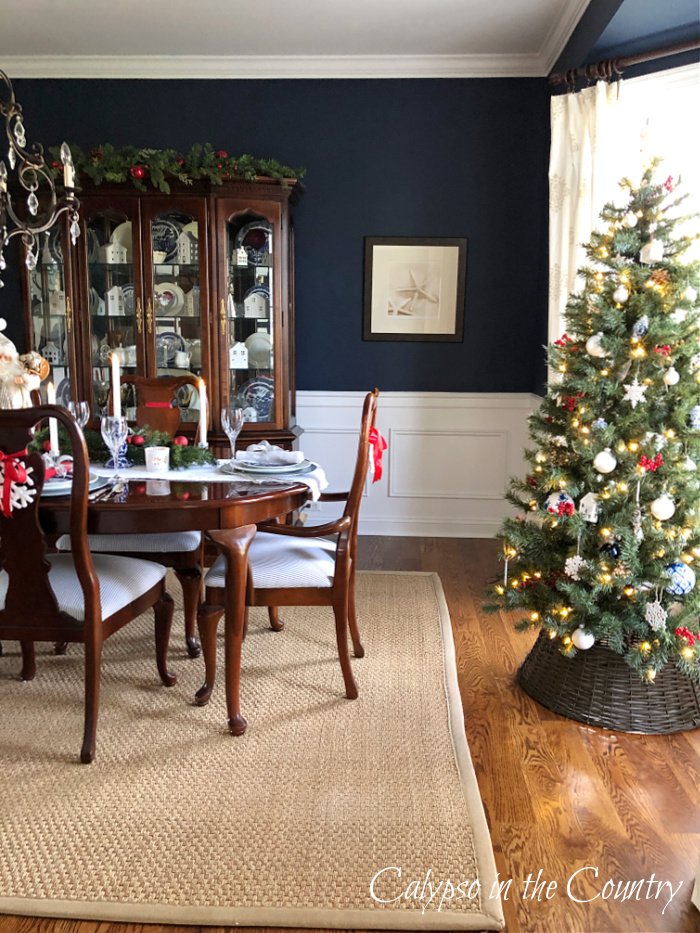
Wood tones add warmth to cool blue walls. Light woods like oak or maple brighten the space. They create a fresh, airy feel. Dark woods such as walnut or mahogany provide a rich contrast. These tones add depth and elegance. Medium woods like cherry offer balance and softness. Consider the wood grain to add texture and interest.
Upholstery Options For Chairs
Upholstered chairs soften the room and add comfort. Neutral fabrics like beige, cream, or gray work well with blue. They keep the look calm and inviting. Velvet or linen materials add texture and luxury. Patterns with subtle blues tie the design together. Avoid heavy prints to keep focus on blue walls. Mix solid and patterned upholstery for variety.
Mixing Modern And Classic Styles
Combining modern and classic furniture creates a timeless look. Sleek modern tables pair well with traditional chairs. This blend adds personality and charm. Use clean lines to balance ornate details. Choose statement pieces in neutral shades to unify styles. Mixing styles keeps the room dynamic and fresh. Focus on harmony in scale and color for best results.
Credit: www.calypsointhecountry.com
Wall Decor And Artwork
Wall decor and artwork bring life to a blue dining room. They offer personality and style without overwhelming the space. Thoughtful choices in wall elements can enhance the room’s color and mood. Art and decoration create focal points and add texture. They help balance the cool tone of blue with warmth and interest.
Choosing Frames And Art Themes
Pick frames that match the room’s style and color. Light wood or white frames soften blue walls well. Black frames add contrast and a modern look. Choose art themes that complement blue, like coastal scenes or abstract patterns. Floral prints with warm tones balance the coolness of blue. Avoid cluttered or too busy artwork to keep calmness in the room.
Mirrors To Enhance Space
Mirrors reflect light and make the dining room feel bigger. Choose a mirror with an interesting frame to add style. Round mirrors soften sharp corners and create flow. Position mirrors to catch natural light or reflect artwork. This adds brightness and depth, making the room more inviting. Large mirrors work well on empty walls to fill space.
Accent Walls With Patterns Or Textures
An accent wall adds dimension and focus to a blue dining room. Use wallpaper with subtle patterns like stripes or geometric shapes. Textured paint or wood panels bring warmth and interest. Choose a darker or lighter shade of blue for the accent wall. This creates contrast without clashing with the main color. Keep other walls simple to avoid visual overload.
Lighting Ideas
Lighting shapes the mood and feel of a blue dining room. The right lighting balances the cool tones of blue walls and creates a warm, inviting space. Use a mix of lighting types to highlight the room’s best features and make dining enjoyable.
Chandeliers And Pendant Lights
Chandeliers add style and a focal point above the dining table. Choose designs with warm metals or soft glass to soften the blue color. Pendant lights work well in groups or alone for a modern touch. They bring focused light and enhance the room’s decor.
Ambient And Task Lighting
Ambient lighting fills the room with soft, even light. Use dimmable ceiling lights or wall sconces to adjust the brightness. Task lighting helps with specific activities like serving food or reading menus. Table lamps or adjustable wall lights provide extra light where needed.
Using Natural Light Effectively
Natural light makes a blue dining room feel fresh and bright. Keep windows clear of heavy curtains to let in sunlight. Use light-colored blinds or sheer curtains for privacy without blocking light. Mirrors can reflect natural light and open up the space.
Textiles And Accessories
Textiles and accessories bring warmth and personality to a blue dining room. They soften the space and create inviting textures. Choosing the right fabrics and decorative items enhances the room’s style and comfort.
Mix patterns and solids to add depth. Use colors that complement blue for balance. Small details in textiles can transform the entire dining area.
Curtains And Rugs
Choose curtains that filter light softly. Light gray or cream curtains pair well with blue walls. Sheer fabrics add airiness, while heavier drapes create coziness.
A rug anchors the dining table and adds color. Neutral rugs with subtle patterns work best with blue. Look for rugs with hints of beige, white, or soft yellow to brighten the floor.
Table Linens And Centerpieces
Table linens set the tone for meals. Use tablecloths or runners in warm tones like mustard yellow or soft beige. These colors contrast nicely with blue and add warmth.
Centerpieces create focal points on the table. Fresh flowers, candles, or simple bowls add charm. Choose items that complement the room’s color scheme without overpowering it.
Decorative Pillows And Throws
Decorative pillows bring comfort and style to dining chairs. Pick pillows with textures like velvet or linen for a rich feel. Mix solid colors with patterned designs for interest.
Throws add softness and can be draped over chairs. Use throws in neutral shades or soft pastels to balance bold blue. These small touches make the dining room more inviting and cozy.
Flooring Choices
Choosing the right flooring is key to enhancing a blue dining room. The floor sets the foundation and influences the room’s vibe. It can balance or highlight the blue walls and furniture. Flooring should blend style with comfort and durability. Options vary from wood to tile, each bringing its own charm. Adding rugs and layering textures creates warmth and interest.
Wood And Tile Options
Wood floors add warmth and natural beauty to blue dining rooms. Light wood tones brighten the space and create a soft contrast. Dark wood offers a rich, elegant look that grounds the room. Choose wood with a smooth finish for a modern feel or a distressed style for rustic charm.
Tile floors provide durability and variety in patterns and colors. Neutral tiles in gray or beige pair well with blue walls. Patterned tiles add character and a unique touch. Tiles with a matte finish help avoid glare, keeping the space cozy.
Rugs That Complement Blue
Rugs soften the floor and add comfort underfoot. Choose rugs with neutral shades like cream, beige, or gray to balance bold blue tones. Patterns with subtle blue accents tie the room together. Natural fiber rugs, such as jute or sisal, bring texture without overwhelming the color scheme.
Size matters. Large rugs anchor the dining table and chairs, defining the space. Small rugs under each chair create a playful look and protect the floor.
Layering Textures On The Floor
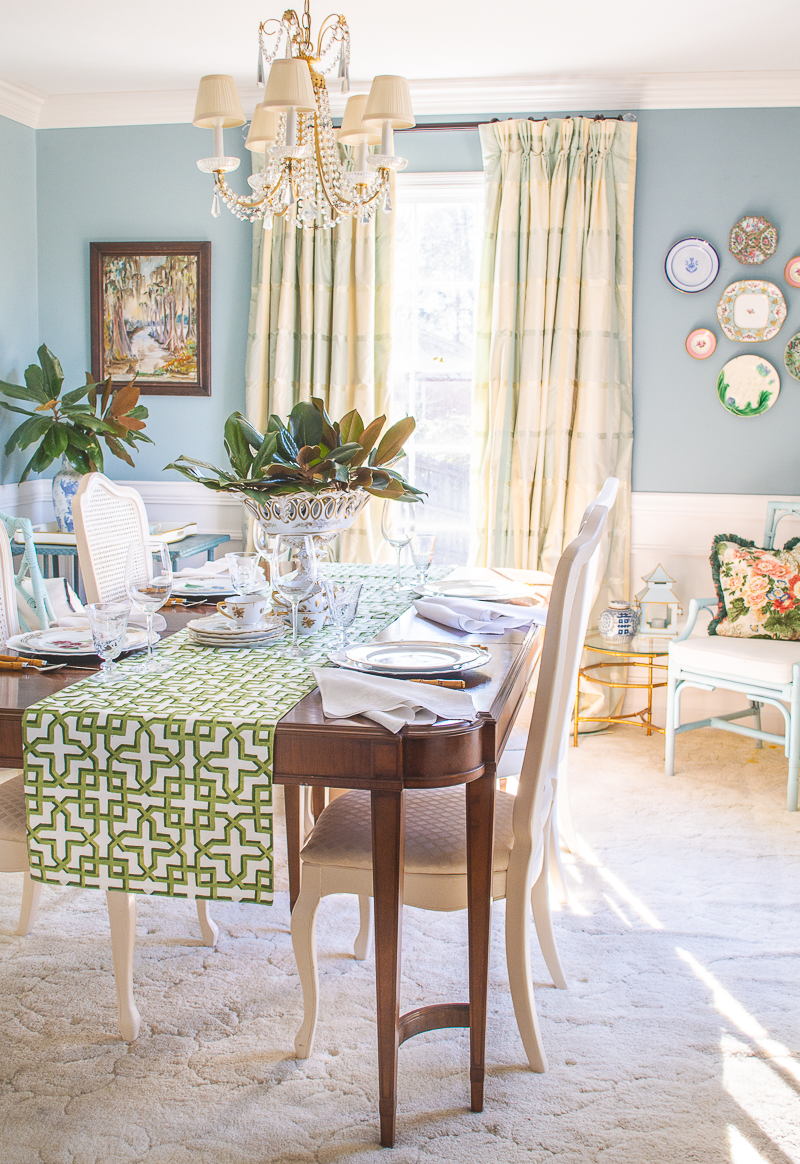
Layering different textures creates depth and visual interest. Combine wood or tile floors with soft rugs and cushions. Mix smooth, rough, and woven materials for a cozy feel. A plush rug over wood adds warmth and softness to the room.
Layering helps break the monotony of a single material. It invites touch and makes the dining room feel more inviting. Textured layers also absorb sound, reducing echoes in the space.
Credit: penderandpeony.com
Incorporating Greenery
Incorporating greenery into a blue dining room brings life and warmth to the space. Green plants create a natural contrast that complements blue walls beautifully. They add a fresh, vibrant touch while softening the cool tones of blue. Greenery also improves air quality and promotes a relaxing atmosphere, perfect for dining areas.
Indoor Plants For Freshness
Choose indoor plants that thrive in low to medium light. Snake plants, pothos, and peace lilies are great options. These plants require little care and add lush greenery. Small succulents or ferns work well on shelves or tables. A tall fiddle leaf fig or rubber plant can stand beside the dining table for height and drama.
Choosing Planters And Pots
Select planters that match the room’s style and color scheme. Neutral tones like white, beige, or gray balance blue walls nicely. Natural materials such as terracotta or woven baskets add texture. Glossy ceramic pots in soft green or blue shades can enhance the overall look. Avoid overly bright or clashing colors to keep the focus on plants and blue décor.
Balancing Blue With Natural Elements
Greenery pairs well with wood and stone accents. A wooden dining table or chairs warm up the blue space. Stone or concrete planters add an earthy feel. Use natural fabrics like linen for curtains or cushions to create harmony. Mixing these elements with plants creates a balanced, inviting dining room that feels connected to nature.
Creating Mood And Ambiance
Creating mood and ambiance in a blue dining room shapes how people feel and interact. The right atmosphere enhances meals and conversations. Blue tones bring calmness and style, but choosing the right shades and decor is key. This section explores how to use blue’s psychology, set the ideal dining atmosphere, and adjust decorations by season.
Color Psychology Of Blue
Blue often feels calm and peaceful. It lowers stress and cools the mind. Light blues create a fresh and airy vibe, perfect for casual meals. Dark blues add depth and a touch of elegance. Too much blue may feel cold or distant. Balance blue with warm accents to keep the room inviting.
Setting The Right Dining Atmosphere
Lighting plays a big role in mood. Soft, warm lights make blue walls feel cozy. Use dimmable lights to control brightness for different times. Add textured fabrics like cushions and curtains to soften the space. Choose tableware that complements blue, such as white or metallic tones. Keep decor simple to avoid overwhelming the senses.
Seasonal Decorating Tips
Switch accents to match the season for fresh ambiance. In spring, add fresh flowers and pastel napkins. Summer calls for bright yellow or coral accessories to energize the room. Autumn fits warm browns and oranges to balance blue’s coolness. Winter is perfect for silver and white decor to create a crisp, clean feel.
:max_bytes(150000):strip_icc()/EtchDesignGroup_CateBlackPhotography-772f633839094e0fa34c80d028da8911.jpg)
Credit: www.thespruce.com
Frequently Asked Questions
Is Blue A Good Color For A Dining Room?
Blue can work in a dining room but may reduce appetite by dulling food colors. Pair blue with warm tones like yellow or orange to create a lively, inviting space. Use navy or soft blues with neutrals for elegance and balance.
What Color Most Compliments Blue?
Yellow most complements blue by creating a bright, energetic contrast. Neutrals like white, gray, and beige also pair well with blue. For elegance, try pink or green. Metallics like gold and silver add a luxurious touch. These combinations enhance blue’s versatility in design.
What Color Decor Goes With Blue?
Blue pairs well with neutrals like white, gray, beige, and cream for a classic look. Yellow, orange, and red add vibrant contrast. Green and pink create harmony, while gold or silver accents bring elegance. Choose colors based on the mood you want to set.
How To Add Warmth To A Blue Room?
Add warmth to a blue room by incorporating warm-toned accents like orange, yellow, or terracotta. Use beige or brown textiles and wooden furniture. Include gold or brass metallic accessories for a cozy, inviting atmosphere. Layer soft lighting to enhance warmth and balance the coolness of blue walls.
Conclusion
Decorating a blue dining room offers many creative choices. Pairing blue with whites or grays creates a calm, classic vibe. Adding warm colors like yellow or orange brings energy and contrast. Using metallic accents can add a subtle touch of elegance.
Keep furniture and decor simple to highlight the blue walls. Light plays a big role—natural light makes blue look fresh. Remember, balance is key for a cozy, inviting dining space. Enjoy designing a room that feels both stylish and comfortable.