Are you struggling to make your long living room and dining room feel cozy and stylish instead of just a narrow, endless space? You’re not alone.
Decorating a long, combined living and dining area can be tricky—you want each zone to feel distinct, yet balanced and inviting. The good news? With the right tips and tricks, you can transform your space into a beautiful, functional haven that flows naturally and looks professionally designed.
You’ll discover easy-to-follow ideas that help you create harmony, add personality, and maximize every inch of your long room. Keep reading to unlock the secrets to decorating your long living and dining room like a pro!
:strip_icc()/DesignbyEmilyHendersonDesignPhotographerbyTessaNeustadt_360-025334d218134a26ad2b78dd2150e625.jpg)
Credit: www.mydomaine.com
Layout Tips For Long Rooms
Long living and dining rooms offer a unique chance to create distinct spaces within one area. Proper layout planning helps balance function and style. Effective use of space can make the room feel welcoming and organized. These tips guide you to design a long room that works well for both living and dining needs.
Zoning Living And Dining Areas
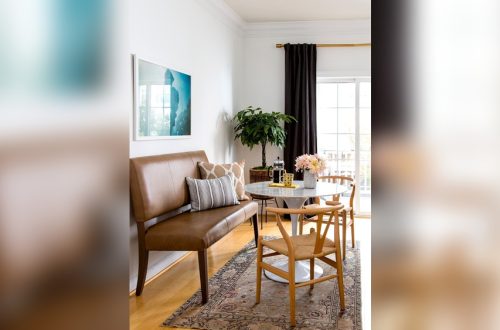
Divide the room into clear zones for living and dining. Use rugs to mark separate areas visually. Position furniture to create natural boundaries without blocking sightlines. Place the dining table closer to the kitchen or windows. Arrange sofas and chairs to form a cozy seating area. Zoning helps each space feel purposeful and inviting.
Optimizing Traffic Flow
Keep pathways open and easy to navigate. Avoid placing furniture in main walkways. Leave at least two feet of walking space around tables and seating. Arrange pieces so people can move freely between zones. Clear traffic flow improves comfort and usability. It prevents the room from feeling cramped or cluttered.
Choosing The Right Furniture Size
Select furniture that fits the room’s scale. Avoid oversized pieces that overwhelm the space. Opt for slim-profile sofas and chairs to save room. Choose a dining table that suits the number of guests and the space available. Use multifunctional furniture like benches or storage ottomans. The right size keeps the room balanced and open.
:max_bytes(150000):strip_icc()/living-dining-room-combo-4796589-hero-97c6c92c3d6f4ec8a6da13c6caa90da3.jpg)
Credit: www.thespruce.com
Color Schemes And Paint Ideas
Choosing the right color schemes and paint ideas can transform a long living room and dining room. Colors influence how large or cozy the space feels. They also help create a natural flow between the two areas. Thoughtful use of colors makes the room inviting and balanced.
Using Light Colors To Open Space
Light colors like soft whites, pale blues, and gentle grays make rooms feel bigger. They reflect more light, brightening the space. Light walls create an airy feeling that opens up long rooms. Using these shades on walls and ceilings helps avoid a cramped look.
Keep furniture and decor in similar light tones. This creates a seamless, spacious effect. Avoid dark colors on all walls, as they can make the space feel narrow and smaller.
Accent Walls And Color Blocking
Accent walls add depth and interest without overwhelming the room. Choose one wall in each area to paint a bold or rich color. This separates the living and dining zones visually.
Color blocking uses contrasting colors in large sections. It breaks up the length of the room. Try pairing a neutral base with a strong accent color to create balance. This technique highlights architectural features or focal points.
Coordinating Living And Dining Palettes
Using related colors in both spaces keeps the look unified. Choose a main palette and apply it in different shades. For example, soft beige in the living room and a warmer tan in the dining area.
Matching tones help flow between zones without feeling repetitive. Add texture or small color pops to keep each area unique. This approach creates harmony in a long combined space.
Furniture Arrangement Tricks
Arranging furniture in a long living room and dining room needs smart planning. The goal is to create a space that feels warm and balanced. Good furniture placement helps the room feel welcoming and connected. Use simple tricks to break up the space. This makes the room practical and stylish.
Creating Cozy Seating Groups
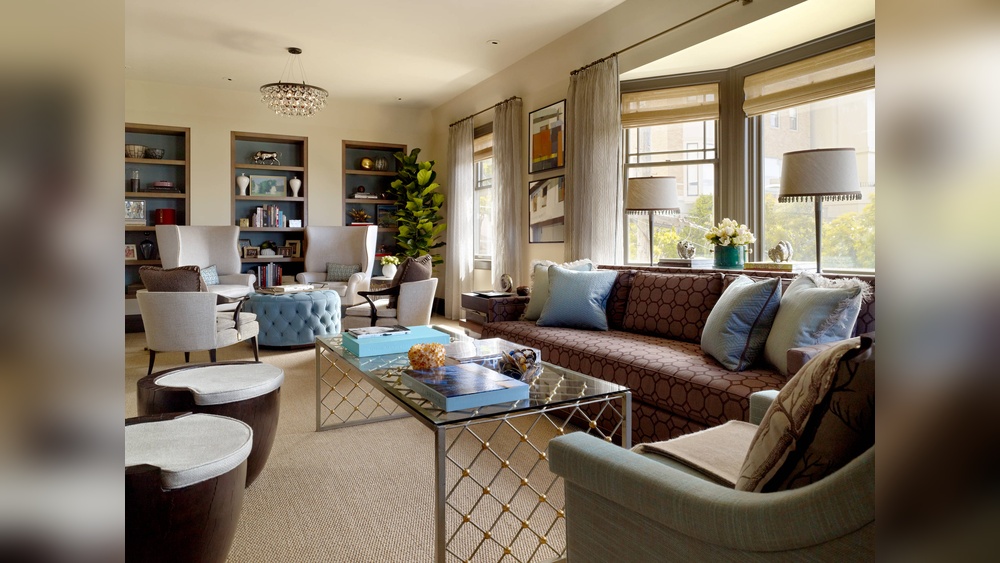
Divide the living area into small seating zones. Group chairs and sofas close to each other. This invites conversation and comfort. Use rugs to define each group. Place a coffee table or side table in the middle. Avoid lining all furniture against the walls. Pull pieces inward to make the space feel less empty.
Aligning Dining Sets For Balance
Place the dining table in the center of its area. Make sure chairs have enough space on all sides. Keep the table parallel to the room’s longest walls. This creates a sense of order. Use a large light fixture above the table. It acts as a visual anchor. Balance the dining set with nearby furniture like a buffet or shelf.
Incorporating Multipurpose Pieces
Choose furniture that serves more than one role. An ottoman can be extra seating or a coffee table. Use storage benches to hide clutter and add seating. Look for foldable or extendable dining tables. These adapt to different needs and save space. Multipurpose pieces make the room flexible and neat.
Lighting Solutions
Lighting plays a key role in decorating a long living room and dining room. It helps define areas and adds warmth. Proper lighting also improves the room’s function and style. Combining different lighting types creates a balanced and inviting space. Use lighting to highlight features and set the mood.
Layering Ambient, Task, And Accent Lights
Start with ambient lighting to brighten the entire space. Ceiling fixtures, such as recessed lights or chandeliers, work well here. Add task lighting for activities like reading or dining. Table lamps and pendant lights over the dining table are ideal. Finally, use accent lights to highlight artwork or architectural details. Wall sconces or spotlights create depth and interest.
Choosing Statement Fixtures
Choose bold fixtures that draw attention and fit the room’s style. A large chandelier can anchor the dining area. In the living room, consider an oversized floor lamp or artistic pendant light. Statement fixtures add character and help break up the long space visually. Pick designs that match your color scheme and furnishings.
Utilizing Natural Light Effectively
Maximize natural light to make the room feel open and airy. Use sheer curtains to soften sunlight without blocking it. Place mirrors opposite windows to reflect light deeper into the room. Keep window areas clear of heavy furniture. Natural light reduces the need for artificial lighting during the day and enhances the room’s ambiance.
Decor And Accessories
Decor and accessories bring life to a long living room and dining room. They add character and style. Careful choices can make the space feel warm and inviting. Accessories create focal points and balance the room’s length. They highlight your personality and taste.
Choosing the right decor helps break the room into cozy zones. Thoughtful accents keep the space interesting without clutter. Let’s explore key ideas that enhance these rooms beautifully.
Applying The Rule Of Odds
The rule of odds means using odd numbers of objects for display. Groups of three, five, or seven feel more natural and balanced. For example, place three vases of different heights on a coffee table. Or arrange five picture frames on a console table for visual interest.
Odd numbers create a focal point that draws the eye. They avoid the stiffness of even-numbered groupings. Use this rule on shelves, mantels, and dining room sideboards. Combine items with various shapes and sizes for a dynamic look.
Mixing Patterns And Textures
Layering patterns and textures adds depth to the space. Combine at least three different patterns in cushions, rugs, and curtains. Mix stripes, florals, and geometric shapes for variety. Use different materials like velvet, linen, and leather to add texture.
Balance bold patterns with neutral tones to avoid overwhelming the room. Textures make the space feel cozy and tactile. This mix keeps the long room engaging and visually rich.
Adding Art And Personal Touches
Art brings personality and color to a long room. Choose pieces that reflect your style and complement the room’s colors. Hang a large painting above the sofa or create a gallery wall with smaller artworks. Personal photos in stylish frames add warmth and meaning.
Incorporate unique items like sculptures, handmade crafts, or travel souvenirs. These touches make the space truly yours. Art and decor pieces help break up the room’s length and add charm.
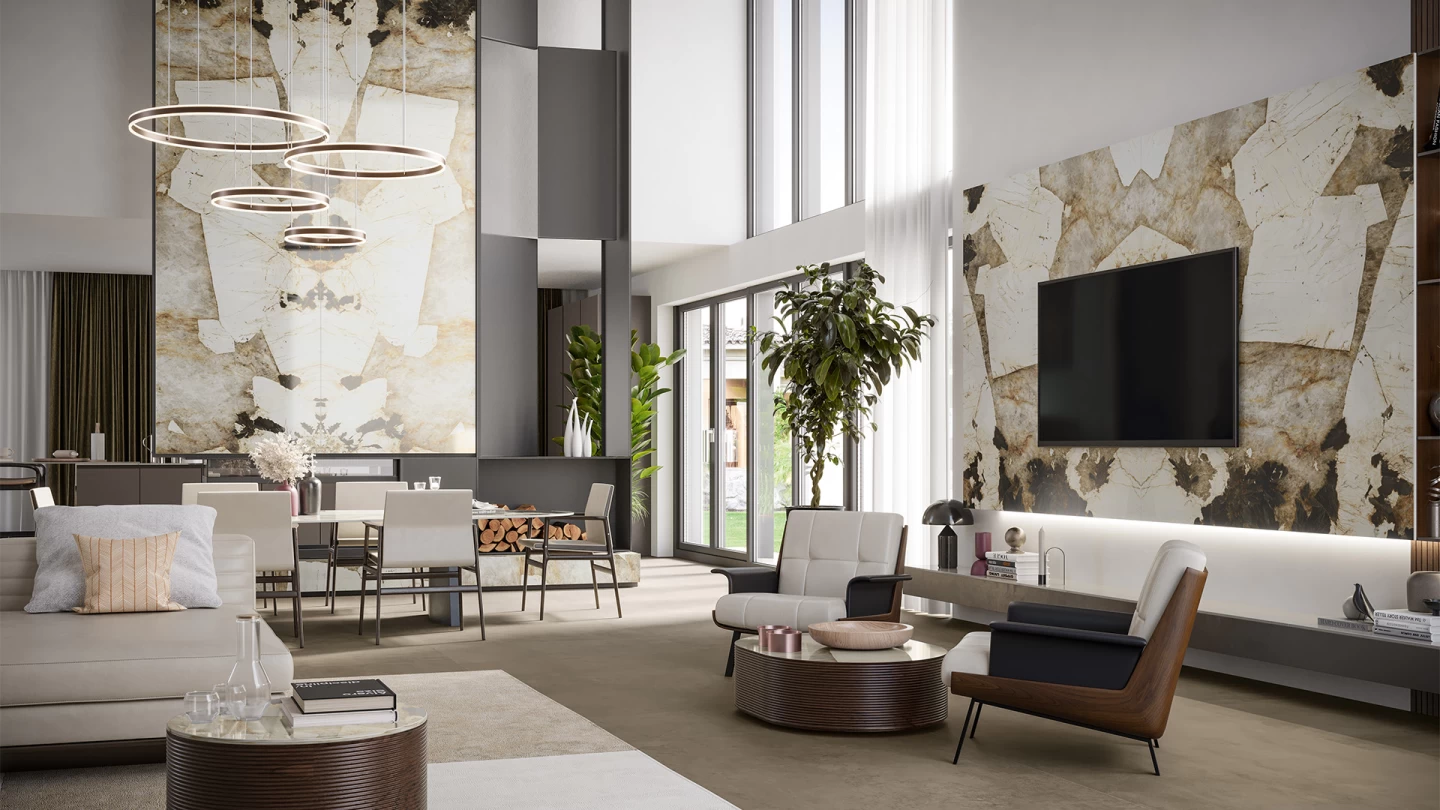
Credit: www.atlasplan.com
Flooring And Rugs
Flooring and rugs play a key role in decorating a long living room and dining room. They help organize the space and add warmth. The right choice can make the area look cozy and inviting. Rugs especially can separate zones without walls.
Using Rugs To Define Zones
Place rugs under furniture groups to mark each zone clearly. A rug under the dining table sets it apart from the living area. Another rug in the seating zone creates a cozy nook. Rugs anchor furniture and guide movement in the room. This method breaks the long room into functional spaces.
Choosing Patterns And Materials
Select rug patterns that fit your room’s style and colors. Simple designs suit modern spaces. Traditional patterns add charm to classic decor. Choose materials based on use and comfort. Wool rugs are durable and soft. Flatweave rugs are easy to clean in dining areas. Mix textures for visual interest without clutter.
Maintaining Flow With Flooring Choices
Use consistent flooring to keep the space connected. Hardwood or laminate in one tone works well. Avoid sudden changes in color or height. This keeps the eye moving smoothly along the room. If you want variety, choose subtle shifts in shade or texture. This keeps a gentle flow without breaking the space.
Storage And Organization
Storage and organization play a key role in decorating long living and dining rooms. These spaces often face challenges like clutter and wasted areas. Proper storage helps keep the room tidy and visually appealing. It also defines different zones without overcrowding. Smart solutions blend functionality with style. They allow you to enjoy a clean, open space that feels warm and inviting.
Incorporating Stylish Storage Solutions
Choose furniture that offers hidden storage. Ottomans, benches, and coffee tables with compartments work well. Use storage cabinets that match your room’s style. Select pieces with clean lines to avoid a bulky look. Storage should enhance the room, not overpower it. Keep storage furniture low to maintain open sight lines.
Keeping Clutter Minimal
Create a habit of clearing surfaces regularly. Use baskets or boxes to store small items out of sight. Limit decorations to essential pieces. Avoid overcrowding tables and shelves. Minimal clutter creates a calm, spacious feel. Designate spots for everyday items to avoid mess. A tidy room feels larger and more relaxing.
Using Shelving To Enhance Decor
Wall shelves add storage without using floor space. Arrange books, plants, and decor items for a personal touch. Use shelves to separate living and dining zones visually. Vary shelf heights to create interest and balance. Keep shelves organized to avoid a crowded look. Shelves turn storage into a style statement.
Plants And Greenery
Plants and greenery bring life to any long living room and dining room. They add fresh air and a natural touch. Greenery breaks up large spaces and makes them feel cozy. Using plants smartly enhances the room’s style and mood. Choose plants that fit your space and care routine. Arrange them to create visual interest and harmony with other decor.
Selecting Space-friendly Plants
Pick plants that stay compact or grow vertically. Snake plants and ZZ plants are great for tight spots. Pothos and spider plants can hang, saving floor space. Choose low-maintenance plants if you lack time. Consider plants that thrive in your room’s light. Avoid large, sprawling plants that crowd narrow areas.
Placement For Visual Interest
Place plants at different heights to create depth. Use tall plants near corners to frame the room. Small plants look good on shelves or side tables. Group several plants together in odd numbers for balance. Try a hanging planter above the dining table. Avoid blocking walkways with large pots.
Combining With Other Decor Elements
Mix plants with natural materials like wood and stone. Use green plants to soften metal or glass furniture. Pair pots with matching colors or textures for unity. Add botanical prints or green cushions for extra flair. Place plants near artwork to highlight both. Keep decor simple to let greenery stand out.
Frequently Asked Questions
What Is The 3-5-7 Rule In Interior Design?
The 3-5-7 rule in interior design uses odd numbers for arranging objects to create balance and visual appeal. It suggests grouping items in threes, fives, or sevens for natural, dynamic, and attractive spaces. This method enhances focal points and adds depth without feeling forced or symmetrical.
What Is The 3 4 5 Rule In Interior Design?
The 3-4-5 rule in interior design means using at least three patterns, four design styles, and five colors or textures. It creates a balanced, layered, and visually appealing space with depth and personal style. This method guides decorating choices for a unique, eclectic look.
What Is The 70/30 Rule In Interior Design?
The 70/30 rule in interior design balances colors or elements by using 70% dominant and 30% accent features. This creates harmony and visual interest in a space.
How To Combine A Living Room And Dining Room?
Combine a living and dining room by using cohesive colors, defining zones with rugs, and arranging furniture for clear flow. Add multifunctional pieces to maximize space and maintain balance. Use lighting and decor to unify the areas while keeping each functional and stylish.
Conclusion
Decorating a long living and dining room offers many chances to create harmony. Use balanced furniture placement to define each area clearly. Mix textures, colors, and patterns to add depth and interest. Group items in odd numbers for a natural, pleasing look.
Keep pathways open for easy movement and a spacious feel. Remember, simple touches can make a big impact. Enjoy designing a space that feels cozy and inviting. Your long room can be both functional and beautiful.