Your dining area is more than just a place to eat—it’s where memories are made, conversations flow, and your personal style shines. But how do you transform this important space into something both inviting and stylish?
If you’ve ever felt stuck or unsure about where to start, you’re not alone. Decorating your dining area can seem overwhelming, but with the right approach, it becomes an exciting chance to express yourself and create a warm atmosphere. You’ll discover simple, practical tips that help you mix patterns, styles, and colors effortlessly.
Plus, you’ll learn how to choose the perfect centerpiece that sparks conversation and makes every meal feel special. Ready to turn your dining area into a space that truly feels like yours? Let’s dive in.
:strip_icc()/dining-room-table-decor-ideas-21-mindy-gayer-marigold-project-6a8c8379f8c94eb785747e3305803588.jpg)
Credit: www.mydomaine.com
Dining Area Styles
Choosing the right style for your dining area shapes the entire room’s atmosphere. Each style brings a unique mood and feel. It also influences your furniture, colors, and decorations. Understanding different dining area styles helps you create a space that suits your taste and lifestyle.
Traditional Touches
Traditional dining areas often feature rich wood tones and classic furniture. Think elegant chairs and sturdy wooden tables. Patterns like floral or damask appear in upholstery or curtains. Soft lighting and antique accessories add warmth. This style feels timeless and inviting.
Modern Minimalism
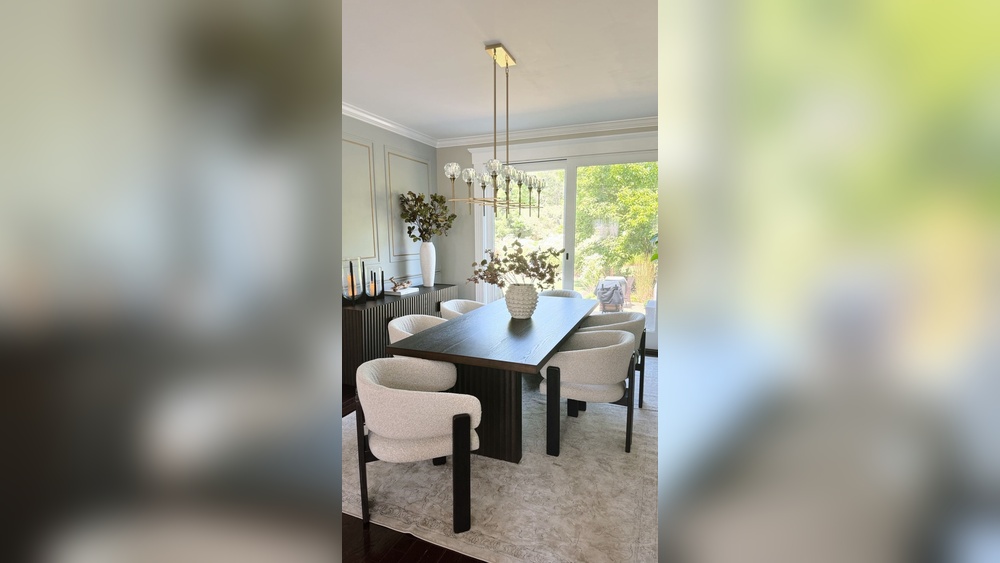
Modern minimalist dining areas focus on simplicity and clean lines. Furniture has sleek designs with little decoration. Neutral colors like white, gray, or black dominate the space. Clear surfaces and open space create a calm, uncluttered look. This style suits those who prefer a fresh, airy feel.
Rustic Charm
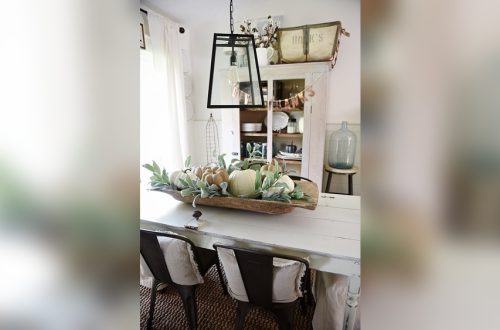
Rustic dining rooms bring nature inside with raw wood and stone accents. Furniture looks handcrafted and sturdy. Earthy colors and natural fabrics like linen add softness. Vintage items and simple decor enhance the cozy vibe. Rustic charm creates a warm and comfortable dining space.
Mid-century Modern
Mid-century modern style mixes sleek shapes with organic curves. Furniture is often made of wood with tapered legs. Bright colors and geometric patterns make the room lively. This style blends retro and modern for a stylish, upbeat look. It suits those who love bold but simple design.
Eclectic Mix
Eclectic dining areas combine different styles, colors, and textures. Mix vintage with modern or rustic with minimalist elements. Use varied patterns in rugs, cushions, or wall art. This style encourages creativity and personal expression. An eclectic mix makes the dining room unique and full of character.
Pattern Layering
Pattern layering transforms a dining area from plain to inviting. It involves combining different patterns and textures to add depth and interest. This method brings harmony and style without overwhelming the space. Using multiple patterns creates a lively yet balanced environment perfect for dining and socializing.
Using Rugs And Curtains
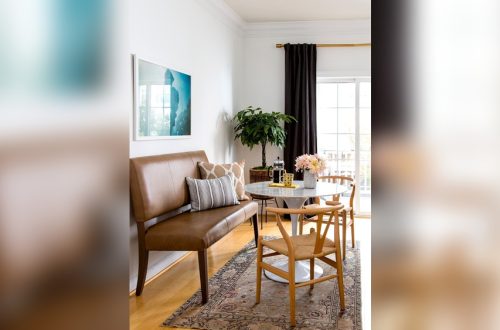
Rugs and curtains are great for introducing patterns. Choose a rug with a bold pattern to anchor the room. Pair it with curtains that have a softer, complementary design. This contrast adds dimension without clashing. Both elements frame the dining space, making it feel cozy and complete.
Mixing Solids And Prints
Mix solid colors with printed fabrics to avoid visual overload. Solid chair cushions or tablecloths balance busy wallpaper or patterned dinnerware. This mix keeps the eye moving around the room smoothly. It also helps highlight your favorite prints without making the space too busy.
Balancing Textures
Textures add another layer to pattern layering. Combine smooth surfaces like glass or metal with soft textiles such as velvet or linen. Wooden furniture adds warmth and an organic feel. Mixing textures keeps the space tactile and inviting. It also enhances the overall pattern scheme, making the dining area feel complete.
Blending Design Eras
Blending design eras adds charm and personality to your dining area. Mixing styles from different times creates a unique, layered look. This approach brings visual interest and depth to the space. It allows you to combine classic and modern elements in harmony.
Using pieces from various periods can tell a story through your decor. The key is balance. Blending eras should feel intentional, not random. It creates a space that feels both fresh and timeless.
Combining Four Styles
Choose furniture and decor from at least four design styles. For example, pair a mid-century modern table with traditional chairs. Add an Art Deco light fixture and a rustic centerpiece. This mix builds contrast and excitement.
Pick styles that complement each other in shape, color, or material. Keep scale and proportion in mind. This method avoids a cluttered or chaotic feel. The variety brings energy but stays coordinated.
Creating A Curated Look
A curated look means selecting pieces thoughtfully. Avoid adding items just for the sake of mixing styles. Each piece should contribute to the overall vibe.
Display items with care, using symmetry or grouping. Let the eye rest on focal points. Use color or texture to connect different design eras. This approach creates harmony and a polished finish.
Personalizing Your Space
Blend eras to reflect your tastes and lifestyle. Include items that have meaning or tell a story. Add personal touches like family heirlooms or travel finds.
Mixing styles invites creativity. It makes your dining area truly yours. Use your favorite colors, materials, and shapes. This creates a space that feels warm and inviting for everyone.
:strip_icc()/wood-dining-room-windows-table-BUxPfKPUKAj8UrHgqTEJZM-a3bfb1728dc24f29a83f451bd4046e70.jpg)
Credit: www.bhg.com
Color And Texture Play
Color and texture play a vital role in decorating your dining area. They bring life and personality to the space. Using the right colors and textures can make the room feel warm, inviting, and stylish. This section guides you on how to mix colors and textures effectively.
Choosing A Color Palette
Start by selecting a main color for your dining area. Choose soft, neutral tones for a calm setting. Bold colors like navy or emerald add drama and depth. Limit your palette to two or three colors to keep harmony. Use lighter shades on walls to make the space feel larger. Accent colors can appear in decor items like cushions or artwork.
Incorporating Textures
Textures add dimension and interest to your dining room. Mix smooth, rough, soft, and hard surfaces for balance. Consider wood furniture for warmth and natural feel. Soft fabrics like velvet or linen create comfort. Rugs with patterns or woven baskets add tactile appeal. Combine metal or glass for a modern touch. This mix keeps the space engaging without overwhelming it.
Balancing Color With Texture
Balance is key to a beautiful dining area. Use textures to soften bold colors and add depth. If your color palette is simple, increase texture variety to avoid flatness. In a colorful room, keep textures subtle to prevent clutter. Repeat textures in different elements to create unity. For example, a wooden table with wicker chairs and a linen runner ties the look together.
Centerpiece Ideas
Centerpieces are the heart of your dining area decor. They catch the eye and set the mood for meals. Choosing the right centerpiece can bring warmth and style. It also reflects your personality and taste. Below are simple and beautiful ideas to inspire your dining table design.
Fresh Flowers And Greenery
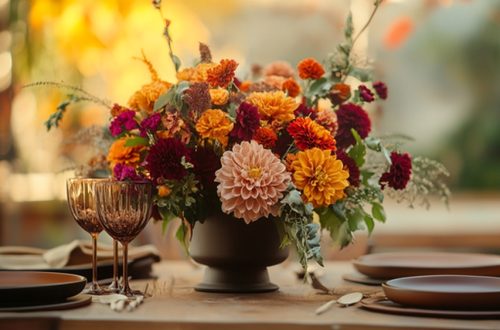
Fresh flowers brighten any dining space instantly. Choose seasonal blooms for natural color and fragrance. Greenery adds a calming, fresh touch. Use simple vases or mason jars for a casual look. Keep arrangements low so guests can see each other.
Fruit Bowls And Succulents
Fruit bowls offer a pop of color and invite healthy snacking. Mix different fruits for a vibrant display. Succulents are low-maintenance and add texture. Combine small pots for a modern, lively centerpiece. Both options bring nature indoors without fuss.
Candles And Lanterns
Candles create a cozy, warm atmosphere. Use unscented candles for dining to avoid overpowering food aromas. Lanterns add charm and can be used indoors or outdoors. Group candles or lanterns of different heights for visual interest. Always place them safely away from flammable items.
Decorative Bowls And Trays
Decorative bowls and trays organize small items stylishly. Use them to hold nuts, potpourri, or decorative stones. Choose materials like wood, ceramic, or metal to match your decor. Layer trays with small candles or flowers for a layered look. This idea keeps your table neat and elegant.
Furniture And Layout Tips
Choosing the right furniture and arranging it well shapes the dining area’s look and feel. The right layout helps guests move easily and enjoy meals comfortably. Focus on selecting pieces that fit your space and style.
Selecting The Right Table
Pick a table that fits your room size and shape. Rectangular tables suit long rooms, while round tables work well in small spaces. Consider the material and finish to match your decor. A sturdy table ensures durability and comfort for family meals.
Choosing Comfortable Seating
Comfortable chairs invite guests to stay longer. Look for seats with good back support and soft cushions. Mix and match styles for a casual, cozy vibe. Ensure enough space between chairs for easy movement and dining comfort.
Optimizing Space Flow
Keep pathways clear to avoid crowded spaces. Arrange furniture so people can walk around easily. Leave at least three feet between the table and walls. Use rugs to define the dining area and add warmth. Proper flow makes the room feel open and welcoming.
Lighting Solutions
Lighting plays a key role in setting the mood of your dining area. The right lights can make meals feel warm and inviting. They also highlight your decor and create a cozy atmosphere. Explore different lighting types to find what suits your space best.
Overhead Fixtures
Overhead fixtures are the main light source in your dining room. Choose a chandelier or pendant light that fits your room’s style. Hang it low enough to illuminate the table but high enough to avoid glare. A dimmer switch adds flexibility for bright or soft lighting.
Ambient Lighting
Ambient lighting fills the room with a soft, overall glow. Use recessed lights or wall sconces to spread light evenly. This lighting helps guests feel comfortable without harsh shadows. Layering ambient light with other types creates a balanced look.
Accent Lights
Accent lights highlight art, plants, or architectural features in the dining area. Small spotlights or LED strips work well for this purpose. They add depth and interest to the space. Accent lighting creates focal points that draw the eye.
Decorative Accessories
Decorative accessories transform your dining area from plain to inviting. They add personality and warmth, making the space feel lived-in and stylish. Choosing the right pieces helps highlight your style without overcrowding the room.
Accessories also create focal points and enhance the dining experience. Small touches can make big differences in atmosphere and comfort. Focus on items that blend beauty and function for the best results.
Wall Art And Mirrors
Wall art adds color and interest to your dining area. Choose paintings, prints, or photos that reflect your taste. Large pieces create impact, while smaller groups form a gallery wall effect.
Mirrors increase light and make the room look larger. Position them opposite windows or lighting. Decorative frames add charm and complement other decor elements.
Textile Accents
Textiles bring softness and color to dining spaces. Use table runners, placemats, and napkins to add pattern and texture. Chair cushions or slipcovers improve comfort and style.
Curtains or drapes can tie the room’s look together. Choose fabrics that match your color scheme. Mix patterns carefully to keep the design balanced and pleasing.
Functional Decor
Functional decor combines beauty with purpose in the dining area. Stylish bowls, trays, or baskets hold fruit or napkins. Candles and candleholders create cozy lighting for meals.
Unique salt and pepper shakers or coasters add personality and convenience. Keep functional items within reach but arranged neatly. This approach keeps the space practical and elegant.
Balancing Maximalism And Minimalism
Balancing maximalism and minimalism in your dining area creates a space that feels both lively and calm. It blends bold elements with simple touches, avoiding extremes. This balance invites warmth and personality without overwhelming the senses.
Adjusting Pattern And Color Count
Start with a limited number of patterns. Use three patterns at most for a neat look. Patterns can appear on rugs, curtains, or cushions. Mix solids with prints to keep balance.
Choose around five colors or textures to keep things interesting. If colors are bright, keep textures soft and simple. For neutral tones, add rich fabrics like velvet or linen for depth.
Layering Without Clutter
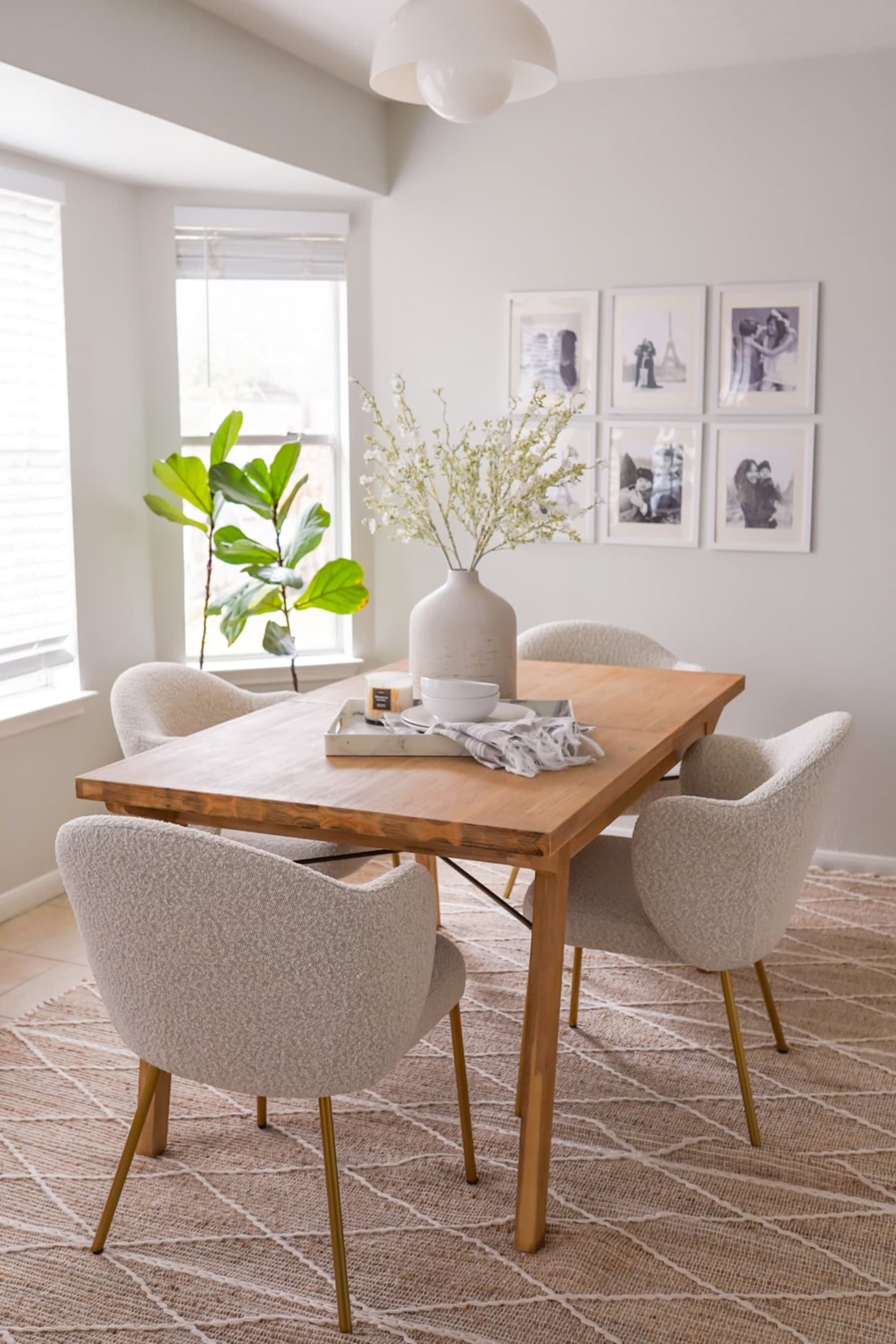
Layer items carefully to avoid a crowded feel. Use different heights and sizes for visual interest. For example, place a tall vase next to low candles.
Keep surfaces clear except for a few key pieces. This helps the space breathe and feel open. Layer textiles like table runners and seat cushions, but avoid too many small decorations.
Creating Visual Harmony
Match colors and styles to create a unified look. Repeat key colors in different elements, such as walls, chairs, and decor. This ties the room together.
Mix styles, but keep them related. Blend mid-century chairs with a modern table for a unique yet cohesive space. Balance bold and simple pieces to maintain harmony.
Credit: www.castlery.com
Frequently Asked Questions
What Is The 3 4 5 Rule In Interior Design?
The 3-4-5 rule in interior design means using at least three patterns, four design styles, and five colors or textures. This creates a balanced, layered, and visually interesting space. It encourages mixing styles and textures for a personalized, cohesive look without overwhelming the room.
What Do I Put In The Middle Of My Dining Table?
Place a low centerpiece like fresh flowers, succulents, or a fruit bowl. Candles or decorative trays also work well. Keep arrangements low for easy conversation across the table.
What Is The Dining Room Style For 2025?
The 2025 dining room style blends diverse patterns, eras, and textures for a personalized, balanced, and layered look. It emphasizes eclectic furnishings, rich textures, and a mix of colors to create depth and visual interest without clutter.
What Do You Put In The Middle Of The Table?
Place a low centerpiece like fresh flowers, a fruit bowl, succulents, candles, or decorative trays in the middle. Keep it simple and visible for all guests.
Conclusion
Decorating your dining area can be simple and fun. Choose colors and textures that match your style. Mix patterns and furniture from different times for interest. Add a beautiful centerpiece to make the table inviting. Remember, balance is key to avoid clutter.
Small changes can create a fresh, warm space. Enjoy making your dining area a place to gather and relax.