Are you wondering what the best light for your String of Hearts plant is? Choosing the right light can make all the difference in helping your plant thrive and show off its beautiful heart-shaped leaves.
If your String of Hearts looks droopy or isn’t growing well, it might be missing the perfect lighting. You’ll discover exactly what kind of light helps your plant stay healthy and vibrant, so you can enjoy its charm every day.
Keep reading to unlock the secrets to giving your String of Hearts the light it loves most.
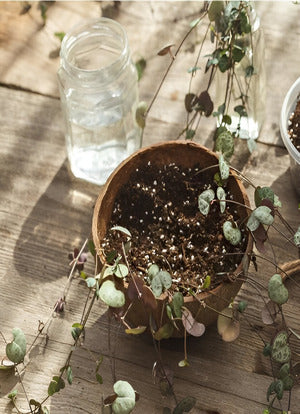
Credit: planetdesert.com
Ideal Light Conditions
String of Hearts plants need the right light to grow well and stay healthy. Too much or too little light can harm their delicate leaves and slow their growth. The ideal light helps the plant keep its beautiful colors and heart-shaped leaves.
Natural Light Preferences
String of Hearts thrives in bright, indirect natural light. A spot near a window with filtered sunlight works best. Morning light is gentle and good for the plant. Avoid dark corners as they slow growth and cause leaves to fade.
Avoiding Direct Sunlight
Direct sunlight can burn the leaves of String of Hearts. The plant’s thin leaves are sensitive and can develop brown spots. Keep it away from windows that get harsh afternoon sun. Shade or sheer curtains help protect the plant from strong rays.
Indoor Light Placement Tips
Place String of Hearts near east or north-facing windows for balanced light. Use a grow light if natural light is low. Rotate the plant regularly to help even growth. Avoid placing it too close to heaters or air conditioners.

Credit: www.gardenersworld.com
Artificial Lighting Options
Artificial lighting helps String of Hearts plants grow well indoors. These lights provide the right energy for photosynthesis. They work especially where natural light is weak or missing.
Choosing the right type of artificial light is key. Each light has benefits and limits. Understanding these helps keep your plant healthy and vibrant.
Led Grow Lights
LED grow lights use less energy and last long. They give the right light colors for plant growth. These lights stay cool and do not burn leaves.
LEDs can be adjusted for brightness and light spectrum. This control helps String of Hearts get exactly what it needs. They are a popular choice for indoor gardeners.
Fluorescent Lights
Fluorescent lights are common and affordable. They produce a soft, even light that suits many plants. These lights do not get too hot.
They work well for seedlings and young String of Hearts. Fluorescent tubes come in different lengths and types. They need to be placed close to the plant for best results.
Incandescent Bulbs
Incandescent bulbs are easy to find but less efficient. They use more electricity and produce more heat. This heat can harm delicate leaves.
These bulbs give off a warm light but lack the full spectrum plants need. They are not the best choice for long-term growth. Use them only if other options are not available.
Light Duration And Intensity
Light plays a key role in the health of your String of Hearts plant. Both how long the plant receives light and the strength of that light matter. These factors affect growth, leaf color, and overall plant happiness. Knowing the right balance helps keep your plant thriving indoors.
Optimal Daily Light Hours
String of Hearts needs about 6 to 8 hours of light daily. Too little light slows growth and makes leaves pale. Too much light can burn the leaves. A bright spot with indirect sunlight works best. This light duration supports healthy, steady growth.
Adjusting Light Intensity
Light intensity means how strong the light is. Bright, indirect light suits String of Hearts well. Direct sunlight is often too harsh and causes leaf burn. If your plant’s leaves look scorched, reduce light strength. Use sheer curtains or move the plant farther from windows. Low light can cause leggy growth, so avoid dark corners.
Seasonal Light Changes
Light changes with seasons affect your plant’s needs. Shorter days in winter mean less natural light. Move your String of Hearts to a brighter spot during these months. In summer, strong sun might require filtering. Adjusting light helps your plant stay healthy all year. Watch your plant’s leaves for signs to change light conditions.
Signs Of Light Stress
String of Hearts plants need just the right light to thrive. Too much or too little light causes stress. Recognizing signs of light stress helps keep your plant healthy. Watch your plant closely for changes in leaves and growth. These signs show if the light is too strong or too weak.
Symptoms Of Too Much Light
Leaves turn pale or yellow with too much light. Brown or crispy edges appear on leaves. The plant may look sunburned or bleached. Growth slows down despite bright conditions. Leaves might curl or drop off. These symptoms mean the plant needs less light.
Symptoms Of Too Little Light
Leaves become dark green but lose their pattern. The plant stretches and grows tall, seeking light. New leaves become smaller than usual. Growth slows and the plant looks weak. Leaves may drop off from the bottom. These signs show the plant needs more light.
Correcting Light Issues
Move your plant to a spot with bright, indirect light. Avoid direct sunlight, especially in the afternoon. Use sheer curtains to soften strong sunlight. If light is low, place the plant near a window. Rotate the plant regularly for even light exposure. Adjusting light helps your String of Hearts recover quickly.
Enhancing Growth With Light
Light plays a big role in helping your String of Hearts plant grow strong. It affects how well the plant makes food and stays healthy. Giving the right light helps the leaves look bright and the vines to grow long. Not enough light can make the plant weak and slow down growth. Too much light can burn the leaves and cause damage. Finding a good balance is key to a happy plant.
Combining Light With Watering
Light and water work together for healthy growth. Plants need water to use the light energy. Water keeps the plant cells full and helps move nutrients. When the plant gets good light, it uses more water. Watering too much can harm the plant if the light is low. Water less when your plant gets less light to avoid root problems.
Using Reflective Surfaces
Reflective surfaces help spread light to your plant. Walls painted white or mirrors can bounce light onto the leaves. This helps the plant get light from different angles. Reflective surfaces boost the light without extra bulbs. Place your String of Hearts near a bright wall or use a small mirror nearby. This simple trick can improve growth and leaf color.
Supplemental Lighting Techniques
Supplemental lighting helps when natural light is low. LED grow lights work well for String of Hearts. They give the right colors of light plants need. Use lights for 10 to 12 hours a day. Keep the light about 12 inches above the plant. This helps keep growth steady during dark days or winter months.

Credit: planetdesert.com
Frequently Asked Questions
What Is The Best Light For String Of Hearts?
Bright, indirect sunlight is ideal for String of Hearts. Avoid direct sun to prevent leaf burn. It thrives in moderate light indoors.
Can String Of Hearts Grow In Low Light?
String of Hearts can survive in low light but grows slower. For healthy growth, provide bright, indirect light.
How Many Hours Of Light Does String Of Hearts Need?
String of Hearts needs about 6 hours of bright, indirect light daily. Consistent light promotes vibrant leaves and healthy growth.
Is Artificial Light Suitable For String Of Hearts?
Yes, fluorescent or LED grow lights work well for String of Hearts. Use them 12-14 hours daily if natural light is insufficient.
Conclusion
Choosing the right light helps your String of Hearts grow healthy and strong. Bright, indirect light suits this plant best. Too much sun can burn the leaves. Too little light makes it weak. Keep it in a spot with gentle, natural light.
Watch your plant often to see how it reacts. This care keeps your String of Hearts happy. Enjoy its lovely heart-shaped leaves every day. Simple light choices make a big difference. Your plant will thank you with beauty and growth.