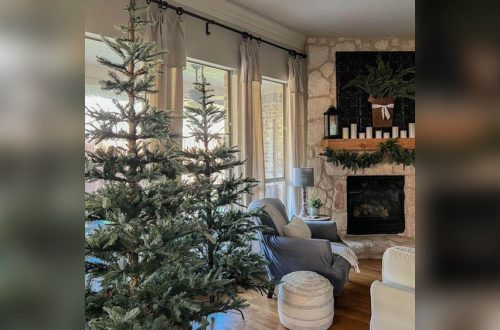
Want to transform your room or outdoor space with a warm, inviting glow? Hanging a string of lights on a wall is one of the easiest and most effective ways to do just that.
But maybe you’re wondering how to do it without making a mess or damaging your walls. Don’t worry—you’re about to learn simple, step-by-step tips that anyone can follow. By the end, you’ll have a beautiful, cozy setup that lights up your space just the way you want.
Ready to get started? Let’s dive in!
Choosing The Right Lights
Choosing the right lights makes a big difference in your decorating project. The right string lights create the perfect mood and last longer. Consider the style, location, and safety before buying. This helps avoid problems later and saves money.
Types Of String Lights
String lights come in many styles. Classic bulbs give a warm, soft glow. LED lights are bright and use less energy. Fairy lights have tiny bulbs for a delicate look. Globe lights offer a modern, bold style. Pick the type that fits your space and taste.
Indoor Vs Outdoor Options
Indoor lights are not made for weather. They work well inside homes and dry places. Outdoor lights have special covers to stop water and dust. Use outdoor lights only outside to avoid damage and fire risk. Check the label to see if lights are for indoor or outdoor use.
Energy Efficiency And Safety
LED lights save energy and cost less to run. They stay cool, reducing fire hazards. Avoid old lights with many wires to prevent electrical problems. Look for lights with safety certifications. Always follow the instructions for safe use.
Gathering Necessary Tools
Before hanging a string of lights on a wall, gather all the necessary tools. Having the right tools makes the process easier and safer. It saves time and prevents damage to your wall or lights. Organize everything in one place before starting your project. Here are the key tools you need.
Hooks And Adhesives
Hooks help hold the lights securely on the wall. Choose small, clear hooks for a neat look. Adhesive strips work well on smooth surfaces. They do not leave marks or holes. Make sure the adhesive is strong enough to hold the light weight. Avoid nails or screws unless the wall can handle it.
Measuring Tape And Ladder
Measure the wall space to know how many lights you need. Use a measuring tape for accuracy. This avoids buying too many or too few lights. A ladder helps reach higher spots safely. Choose a sturdy ladder that fits your wall height. Always have someone nearby when using a ladder for safety.
Extension Cords And Timers
Extension cords extend the reach of your lights to power outlets. Pick cords rated for indoor or outdoor use, depending on your needs. Timers make turning lights on and off easy. Set timers to save energy and avoid leaving lights on all night. Check that cords and timers match the power requirements of your string lights.
Preparing The Wall Surface
Preparing the wall surface is a key step before hanging a string of lights. A clean and smooth wall helps the lights stick better and last longer. Taking time to prepare the surface can prevent damage and make your decoration look neat.
Cleaning And Drying
Start by removing dust and dirt from the wall. Use a soft cloth or sponge with mild soap and water. Wipe the area gently to avoid damaging the paint. After cleaning, let the wall dry completely. A dry surface ensures strong adhesion for hooks or tape.
Checking For Damage
Look closely for cracks, holes, or peeling paint. These issues can weaken the hold of your lights. Repair small holes with spackle or filler. Sand the area smooth once dry. Avoid hanging lights on damaged surfaces to prevent accidents.
Marking Placement Points
Plan the path of your string lights on the wall. Use a pencil to mark where each hook or nail will go. Space the marks evenly to keep the lights straight. Marking helps avoid mistakes and keeps your display tidy.
Mounting The Lights
Powering and testing string lights on a wall is an important step. This ensures your lights work safely and look great. Proper connection and testing help avoid problems later. Follow these simple tips to power and test your string lights correctly.
Connecting To Power Source
Choose an outlet near your string lights. Check that the power source matches the light’s voltage. Plug the lights securely into the outlet. Avoid forcing the plug if it doesn’t fit easily. Use a power strip with a switch for easy control. Make sure the outlet is dry and safe from water.
Using Extension Cords Safely
Use only outdoor-rated extension cords for wall lights. Check the cord’s length and rating before use. Avoid running cords under rugs or through doorways. Keep cords away from heat sources or sharp edges. Connect extension cords firmly to prevent loose plugs. Unplug cords when not in use to save energy.
Testing Light Functionality
Turn on the power switch after connecting the lights. Look for any bulbs that do not light up. Replace broken or burnt-out bulbs immediately. Check the entire string for flickering or dim spots. Test the lights during both day and night. This helps ensure they shine bright and steady.
Powering And Testing
Creative display ideas make string lights more than just a source of light. They add style and mood to any room. Using simple tricks, you can turn a plain wall into a stunning focal point. Here are some ideas that help your lights stand out.
Patterns And Shapes
Create fun shapes with your string lights. Try zigzags, waves, or spirals. You can outline a heart or star for a cozy touch. Use small hooks or clear tape to hold the lights in place. Patterns give a unique look and add visual interest.
Combining With Other Decor
Mix lights with photos, art, or plants. Clip pictures along the light strand for a personal gallery. Wrap lights around shelves or plant pots for a soft glow. This mix makes your space feel warm and inviting. It also highlights your favorite items.
Seasonal Variations
Change your display for each season. Use warm white lights and pine cones in winter. Add bright colors and flowers for spring or summer. For fall, try orange lights with leaves or pumpkins. Seasonal displays keep your room fresh and festive all year.
Frequently Asked Questions
How Do I Hang String Lights Without Damaging Walls?
Use adhesive hooks or removable wall clips designed for string lights. These options hold lights securely and prevent wall damage. Avoid nails or screws unless necessary, as they leave holes.
What Tools Are Needed To Hang String Lights On A Wall?
You need adhesive hooks, measuring tape, a ladder, and possibly a pencil for marking spots. Optional tools include zip ties or clips for extra support.
Can I Hang Outdoor String Lights On Indoor Walls?
Yes, outdoor string lights are durable and safe for indoor use. Ensure they fit your room’s style and plug compatibility before installation.
How Far Apart Should I Space Hooks For String Lights?
Space hooks about 12 to 18 inches apart. This spacing supports the lights evenly and prevents sagging or strain on the wires.
Conclusion
Hanging string lights on a wall can brighten any space quickly. Choose the right hooks or clips for easy setup and safety. Measure your wall before hanging to avoid mistakes. Keep the lights secure and avoid tangles for a neat look.
With simple steps, your room gets a cozy, warm feel. Enjoy the soft glow and festive charm anytime you want. Try different arrangements to find what suits your style best. Easy, fun, and effective—string lights add a special touch to any wall.