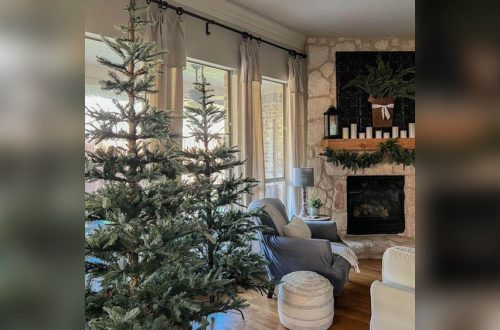
Want to make your tree look magical with twinkling lights? Stringing lights on a tree can instantly transform your outdoor space into a cozy, inviting spot.
But if you’re unsure where to start or worried about making mistakes, don’t worry—you’re in the right place. In this guide, you’ll discover simple steps that make the process easy and fun. By the end, your tree will shine beautifully, drawing everyone’s attention and making your space feel warm and festive.
Ready to light up your tree like a pro? Let’s get started!
Choosing The Right Lights
Choosing the right lights for your tree is important. The right lights can make your tree look beautiful and last longer. Different lights offer different effects and uses. Picking the best type depends on your needs and style.
Types Of String Lights
There are many types of string lights. Classic mini lights are small and bright. Globe lights offer a bigger, round shape. Fairy lights are tiny and delicate. Net lights cover branches quickly. Each type fits different tree shapes and sizes.
Led Vs. Incandescent
LED lights use less energy and last longer. They stay cool and are safer for trees. Incandescent lights are cheaper but use more power. They get hotter and may burn out faster. LED lights save money in the long run and reduce fire risk.
Color And Brightness Options
String lights come in many colors and brightness levels. White lights create a classic, elegant look. Colored lights add fun and cheer. Brightness matters too. Bright lights stand out at night. Soft lights create a warm, cozy feel. Choose colors and brightness to match your mood and setting.
Preparing The Tree
Preparing the tree is the first step before stringing lights. It helps the lights look great and stay safe. Taking time now makes the decorating easier later.
Trimming And Cleaning Branches
Remove dead or broken branches. This clears space for the lights to shine. Cut small twigs that block light or get tangled. Clean the tree of dirt and debris. A neat tree makes lights brighter and more visible.
Safety Precautions
Wear gloves to protect your hands. Use sturdy ladders on flat ground for tall trees. Avoid working near power lines. Check for insects or nests before touching branches. Safety keeps your decorating fun and worry-free.
Gathering Necessary Tools
Prepare scissors or pruning shears for trimming. Have gloves and a ladder ready. Use a flashlight if working late. Keep extension cords and light clips nearby. Having tools ready saves time and stress.
Planning The Layout
Planning the layout is the first step to string lights on a tree. It helps you organize and use your lights well. A clear plan avoids wasting time and ensures the tree looks bright and beautiful.
Start by thinking about how much of the tree you want to cover. Then measure the tree to know how many lights you need. Finally, decide how to wrap the lights around the branches for the best effect.
Deciding On Coverage Area
Choose which parts of the tree you want to light up. Do you want to cover the whole tree or just the top? Full coverage makes the tree very bright. Partial coverage focuses light on special areas.
Think about the tree’s shape and size. Some trees look better with lights on the outer branches. Others need lights deep inside the branches for a full glow.
Measuring Length Needed
Measure the tree’s height and width. Use a tape measure or a string to get the distance around the tree. Add extra length for wrapping and hanging lights.
Count the branches you want to cover. This helps estimate the total length of lights needed. Buy a little more than your measurement to avoid running short.
Creating A Wrapping Strategy
Plan how to wrap the lights around the tree branches. Start from the bottom or the trunk and work upward. Wrap lights around each branch evenly for a neat look.
Use a spiral wrapping method to cover branches well. Keep the lights tight but not too tight to avoid damage. Secure the lights with clips or twist ties if needed.
Stringing The Lights
Stringing lights on a tree creates a warm, magical look. It can be simple with the right steps. Focus on how to place lights evenly and safely. The goal is to make the tree glow beautifully at night.
Follow these tips to get the best results. Start from the bottom and work your way up. Use wrapping techniques that hold lights in place. Secure everything to keep lights safe and stable.
Starting From The Base
Begin at the tree’s trunk or lowest branches. This spot helps you control the light string better. Plug in lights first to test them before wrapping. Unroll a small section to avoid tangles. Move slowly upward for even coverage.
Wrapping Techniques
Wrap lights around branches gently, not too tight. Spiral the light string upward around each branch. Keep lights spaced evenly for a balanced look. Use a loose hold to avoid damaging branches. Let the lights follow the tree’s natural shape.
Securing Lights Safely
Use plastic clips or twist ties to hold lights. Avoid metal fasteners that can cause damage or shorts. Check that wires do not pinch or pull too hard. Keep plugs and connections off the ground. This prevents water damage and keeps lights working longer.
Testing And Adjusting
Testing and adjusting your string lights is key for a perfect look. This step ensures all lights work well and shine evenly. It helps avoid dark spots and flickering. Spend time checking each bulb and placing lights carefully. This part makes your tree sparkle beautifully.
Checking For Faulty Bulbs
Start by plugging in the lights. Look closely for bulbs that do not light up. Replace any broken or missing bulbs right away. Faulty bulbs can cause parts of the string to go dark. Test the lights in the dark for best results.
Adjusting Light Placement
Move the lights around to cover empty areas. Avoid bunching bulbs too close together. Spread the lights evenly over branches and trunk. Step back often to see the overall effect. Adjust placement until the tree looks balanced and bright.
Ensuring Even Glow
Check for spots that look too bright or too dim. Shift bulbs gently to fix uneven lighting. Use extra strings if needed to fill dark gaps. The goal is a soft, steady glow all over. This creates a warm and festive atmosphere.
Maintaining The Display
Maintaining your string lights on a tree keeps the display bright and safe. Regular care helps prevent damage and extends the life of your lights. This section explains how to keep your lights shining beautifully all season long.
Regular Inspection Tips
Check your lights often for broken bulbs or frayed wires. Replace any damaged bulbs right away. Look for loose connections and secure them tightly. Test the lights before each use to ensure they work well. Clean the bulbs gently to remove dust and dirt.
Weather Protection
Choose weatherproof lights designed for outdoor use. Use waterproof extension cords and plugs. Cover plugs with plastic bags or weatherproof covers. Avoid hanging lights in areas where water collects. Bring the lights inside during heavy rain or snow if possible.
Storage After Use
Turn off and unplug lights before removing them from the tree. Wrap the lights carefully around a spool or cardboard to avoid tangles. Store lights in a dry, cool place away from direct sunlight. Keep them in a labeled box for easy finding next year. Avoid folding or crushing the lights to prevent damage.
Frequently Asked Questions
How Do I Prepare A Tree For Stringing Lights?
Start by cleaning the tree branches and removing debris. Choose the right type of lights for outdoor use. Measure the tree’s height and width to estimate the length of the light string needed. Always check for power source availability nearby.
What Is The Best Way To Hang Lights On A Tree?
Begin wrapping lights from the trunk outward toward the branches. Secure the lights gently without damaging the bark. Use clips or twist ties to hold lights in place. Distribute the lights evenly for a balanced and attractive look.
Can I Use Led Lights On Outdoor Trees?
Yes, LED lights are ideal for outdoor trees. They consume less energy, last longer, and produce less heat. Ensure the LED lights are rated for outdoor use to withstand weather conditions safely.
How Many Light Strands Do I Need For A Tree?
Calculate by measuring the tree’s height and circumference. Typically, 100 lights cover about 2 feet of tree height. For dense coverage, use 100-150 lights per vertical foot. Adjust based on tree size and desired brightness.
Conclusion
Stringing lights on a tree adds beauty and warmth to any space. Choose the right lights and plan your design carefully. Wrap the lights evenly around branches for a balanced look. Always check safety tips before you start. Take your time and enjoy the process.
Your tree will shine bright and bring joy to all. Simple steps can make a big difference in your decoration. Try it yourself and see the magic happen.