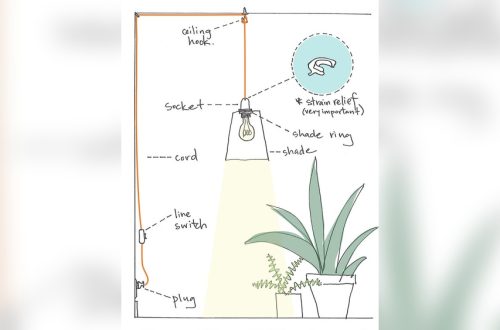
Thinking about giving your pendant light a fresh start? Rewiring a pendant light might sound tricky, but with the right steps, you can do it yourself safely and easily.
Imagine saving money, customizing your lighting, and gaining confidence in your DIY skills—all by handling this simple electrical task. In this guide, you’ll discover clear, step-by-step instructions that anyone can follow. Ready to brighten your space and take control of your home’s lighting?
Keep reading, and you’ll be rewiring your pendant light like a pro in no time.
Tools And Materials Needed
Rewiring a pendant light requires specific tools and materials. Having the right items makes the process safer and easier. Prepare everything before starting your project.
Essential Tools
Gather basic tools for electrical work. You will need a screwdriver, wire stripper, and needle-nose pliers. A voltage tester is crucial to check power status. Wire cutters help trim wires cleanly. Electrical tape secures wire connections.
Safety Gear
Protect yourself with proper safety gear. Wear insulated gloves to avoid shocks. Safety glasses protect your eyes from debris. Use a dust mask if you work in old fixtures. Wear comfortable shoes with rubber soles for extra safety.
Wiring Components
Choose quality wiring parts for a secure connection. Use electrical wires rated for your fixture’s voltage. Wire nuts connect wires safely and firmly. A new pendant light socket or terminal block may be needed. Make sure all parts meet local electrical codes.
Preparing The Work Area
Preparing the work area is the first important step before rewiring a pendant light. A safe and clear space helps you work better and avoid accidents. Taking time to get ready makes the process smooth and easy.
Power Shutoff
Turn off the power at the circuit breaker. This stops electricity from flowing to the light. Use a voltage tester to check the wires. Confirm no current is present before touching anything. Safety first.
Clearing The Space
Remove furniture and items near the work area. Clear enough room to move and place your tools. Good lighting helps you see wires clearly. A tidy space reduces the chance of mistakes.
Gathering Supplies
Collect all tools and parts before starting. You will need wire strippers, screwdrivers, electrical tape, and connectors. Have a ladder or step stool ready. Keep everything within reach for easy access.
Removing The Old Pendant Light
Removing the old pendant light is the first step in rewiring. It helps to work safely and prepares for the new fixture. Follow the steps carefully to avoid any damage or injury. Take your time and check each part before moving on.
Turning Off Power
Always start by switching off the power at the breaker box. This stops electricity from flowing to the light. Use a voltage tester to make sure the wires have no power. Safety first. Never skip this step.
Detaching The Fixture
Remove any bulbs from the pendant light. Unscrew the fixture’s canopy from the ceiling. Hold the fixture firmly to avoid dropping it. Gently pull it down to expose the wiring. Keep screws and parts in a safe place.
Inspecting Wiring
Look closely at the wires connected to the light. Check for any damage, such as frayed or exposed wires. Note the colors of each wire for easier reconnection. If wires seem old or unsafe, consider replacing them. Proper inspection prevents future problems.
Identifying Wiring Connections
Identifying wiring connections is the first step in rewiring a pendant light. Knowing which wire does what helps keep the process safe. It also makes sure the light works correctly once rewired. This section explains how to recognize wire colors, check their condition, and label them before starting.
Understanding Wire Colors
Wire colors show their purpose in the electrical circuit. Usually, black or red wires carry the current. White wires act as neutral. Green or bare wires are for grounding. These colors help you connect wires properly. Always double-check colors because some homes may differ.
Checking Wire Condition
Look closely at each wire for damage. Frayed or cracked insulation can cause shorts or shocks. Make sure wires are clean and dry. Replace any wires that look worn or unsafe. Safe wiring means a safe light fixture.
Labeling Wires
Use tape and a marker to label wires before disconnecting. Labeling stops confusion during rewiring. Write simple tags like “live,” “neutral,” or “ground.” This step saves time and prevents mistakes later.
Disconnecting Old Wires
Disconnecting old wires is the first important step in rewiring a pendant light. It helps you safely remove the old setup before adding new wiring. This process requires care to avoid damaging wires or causing electrical problems. Always make sure the power is off at the breaker before starting.
Loosening Wire Nuts
Start by finding the wire nuts that connect the wires. These small caps twist on to hold wires together. Turn them counterclockwise to loosen. If they are tight, use pliers gently. Avoid pulling the wires while loosening to prevent damage.
Separating Wires Safely
Once the wire nuts are off, carefully pull the wires apart. Keep the wires straight and avoid bending them too much. Check for any frayed or damaged sections. Cut off bad parts with wire cutters. Handle wires carefully to stay safe.
Preparing Wires For New Connections
After separating, strip about half an inch of insulation from each wire end. Use a wire stripper for clean results. Make sure the exposed wire is smooth and not broken. Twist the strands together to keep them tight. This prepares the wires for secure new connections.
Connecting New Wires
Connecting new wires is a crucial step in rewiring a pendant light. It ensures the light works safely and correctly. Pay close attention to each wire and connection. Proper connections prevent electrical problems and keep the fixture secure.
Matching Wire Colors
Start by identifying the wire colors from the pendant light and the ceiling. Typically, black or red wires are hot, white wires are neutral, and green or bare wires are ground. Match the wires by color to maintain safety and function. Never connect wires of different colors without confirming their purpose first.
Using Wire Connectors
Wire connectors, also called wire nuts, join wires safely. Twist the wires together neatly before placing the connector. Make sure the connector fits tightly over the wires. A loose connector can cause sparks or a poor connection. Use the right size connector for the wire gauge.
Securing Connections
After connecting wires with wire nuts, give each a gentle tug. The wires should not pull out easily. Wrap electrical tape around the connector and wires for extra security. Tuck the wires neatly into the ceiling box to avoid strain. A secure connection lasts longer and reduces risks.
Reassembling The Pendant Light
Reassembling the pendant light is the final step in the rewiring process. This part brings all pieces together and makes your light ready to use. Follow these simple steps carefully to ensure safety and proper function.
Attaching The Fixture
Start by connecting the fixture to the ceiling bracket. Align the holes on the fixture with the bracket screws. Slide the fixture over the screws slowly. Tighten the screws by hand first to hold it in place. Use a screwdriver to make the screws firm. Do not overtighten. The fixture should feel secure but not damaged.
Securing Mounting Hardware
Check all mounting hardware for proper fit. Use the screws and bolts that came with your light. Attach any support wires or brackets now. These parts keep the fixture stable and safe. Make sure nothing is loose or wobbly. Tighten all parts evenly. This prevents the light from falling or shifting.
Installing Bulbs
Choose bulbs that match your fixture’s rating. Screw each bulb gently into the socket. Avoid forcing bulbs as this may break them. Check that bulbs fit snugly but can be removed easily. Turn off the power before handling bulbs. After installation, switch on the light to test. Your pendant light should shine bright and steady.
Testing The Rewired Pendant Light
Testing the rewired pendant light is a crucial step. It ensures safety and proper function. This process confirms that all connections work as they should. Taking time here prevents future electrical problems.
Restoring Power
Start by turning the circuit breaker back on. This restores electricity to the pendant light. Use a voltage tester to check for power at the fixture. Always handle electrical components carefully to avoid shocks.
Checking For Proper Operation
Switch on the light using the wall switch or pull chain. Observe if the bulb lights up steadily. Listen for any buzzing or flickering sounds. A steady light means the wiring is correct. Flickering may indicate loose connections or faulty bulbs.
Troubleshooting Common Issues
If the light does not turn on, recheck all wire connections. Make sure all wires are tightly secured with wire nuts. Verify that the bulb is not burned out. Test the wall switch for proper function. Use a multimeter to find any power interruptions.
Safety Tips And Best Practices
Working with electrical fixtures requires care and attention. Safety is the top priority when rewiring a pendant light. Following best practices helps prevent accidents and damage. This section covers key safety tips to keep your project safe and smooth.
Avoiding Electrical Hazards
Turn off the power at the breaker before starting any work. Use a voltage tester to confirm the power is off. Never touch wires with wet hands or tools. Wear insulated gloves for extra protection. Keep your workspace dry and clear of clutter. Avoid working alone in case of emergencies. Use tools designed for electrical work only.
When To Call A Professional
Call an electrician if you are unsure about any step. Complex wiring or old electrical systems need expert handling. If wires look damaged or frayed, get professional help. A licensed electrician ensures the work meets safety codes. Avoid risks by trusting a pro with tricky jobs. Save time and stress by asking for advice early.
Maintaining Your Pendant Light
Check the light fixture regularly for loose wires or parts. Clean the fixture with a dry cloth to avoid moisture issues. Replace bulbs with the correct wattage to prevent overheating. Secure the pendant light firmly to avoid falling hazards. Inspect the ceiling box for signs of wear or damage. Regular care extends the life of your pendant light.
Frequently Asked Questions
How Do I Safely Turn Off Power Before Rewiring?
Always switch off the main electrical breaker before starting. Use a voltage tester to confirm no power runs to the pendant light. Safety first prevents electric shocks during rewiring.
What Tools Are Needed To Rewire A Pendant Light?
You will need wire strippers, screwdrivers, electrical tape, wire nuts, and a voltage tester. These tools help you safely disconnect and reconnect wires during the rewiring process.
Can I Use Any Wire Type For Pendant Light Rewiring?
Use only wires rated for indoor lighting circuits, typically 18 or 16 gauge. Ensure wires are insulated and suitable for your pendant light’s voltage and current requirements.
How Do I Connect Wires Correctly In A Pendant Light?
Match wire colors: black to black (hot), white to white (neutral), and green or copper to ground. Secure connections with wire nuts and wrap with electrical tape for safety.
Conclusion
Rewiring a pendant light can be simple and safe with the right steps. Always turn off power before starting work. Take your time to connect wires correctly and securely. Check your work twice to avoid mistakes. A well-wired light brightens your space and lasts longer.
Enjoy the satisfaction of fixing your own light. Remember, safety first to keep your home safe. Now, you can update or fix pendant lights confidently. Ready to light up your room?