Are you looking to transform your bedroom into a cozy, stylish haven? Using different color woods can add warmth, texture, and personality to your space like nothing else.
But mixing various wood tones can feel tricky—how do you make sure everything looks balanced and inviting? This guide will show you simple, practical ways to decorate your bedroom with different color woods. By the end, you’ll feel confident creating a space that reflects your unique style and feels perfectly put together.
Keep reading to discover easy tips that bring harmony and charm to your bedroom design.
Choosing Wood Colors
Choosing the right wood colors for your bedroom sets the tone for the entire space. Wood color affects mood, style, and light. Different woods bring unique feels and textures. Selecting the best color depends on your taste and room size. Think about the atmosphere you want to create.
Warm Tones Vs Cool Tones
Warm wood tones include shades like cherry, mahogany, and oak. These colors add coziness and comfort. They work well in rooms that need a welcoming touch. Cool wood tones, such as ash, maple, and gray-washed woods, create calm and fresh vibes. They suit modern or minimalist styles. Choose warm tones for warmth and cool tones for calm.
Matching Wood With Room Style
Rustic rooms pair well with natural, rough wood finishes. Smooth, polished woods fit contemporary or classic rooms. Light woods brighten small spaces and modern looks. Dark woods add drama and luxury to traditional rooms. Match your wood color with the room’s style to keep a balanced look.
Balancing Light And Dark Woods
Mixing light and dark woods creates visual interest. Use dark woods for furniture and light woods for floors or walls. This contrast adds depth without clutter. Avoid using too many dark woods; it can make the room feel small. Balance helps maintain an open and inviting space.
Mixing Wood Finishes
Mixing wood finishes can bring warmth and character to your bedroom. Different finishes catch the light in unique ways. This variety adds interest and makes your space feel lively. Choosing the right mix balances the room without overwhelming it.
Matte, Glossy, And Satin Options
Matte finishes have a soft, natural look. They hide scratches and fingerprints well. Glossy finishes shine and reflect light. They make wood look smooth and bright. Satin finishes fall between matte and glossy. They offer a gentle shine that feels elegant. Using these finishes together creates a balanced look. Each finish highlights different parts of the wood grain.
Combining Textures For Depth
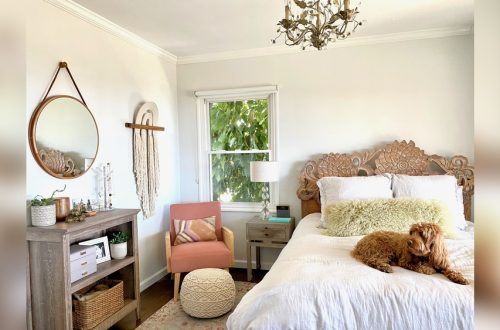
Texture adds depth to your bedroom design. Rough, smooth, and grainy textures feel different under your touch. Mixing these textures creates layers in your space. You can pair a rough wooden headboard with smooth bedside tables. This contrast makes the room more dynamic. Textures also affect how light plays in the room. The mix helps the space feel cozy and inviting.
Using Natural And Painted Woods
Natural wood shows off its grain and color. Painted wood offers a clean, solid color option. Combining both adds variety and style. Use natural wood for warmth and character. Painted wood can brighten or add bold color. This mix lets you customize your bedroom’s mood. It also allows for easy updates by repainting wood pieces.
Furniture Selection
Choosing the right furniture is key when mixing different color woods in a bedroom. It sets the tone and balances the whole look. The right pieces create a cozy and stylish space. Wood tones can bring warmth and texture to your room. Knowing how to select and arrange furniture helps avoid a cluttered or mismatched feel.
Selecting Statement Pieces
Start with one or two main pieces in wood. A bed frame or dresser in a strong wood color stands out well. Dark woods like walnut add depth and richness. Lighter woods like oak or maple feel fresh and airy. Pick statement pieces that match your room’s style. They anchor the space and guide other choices.
Layering Different Wood Furniture
Mix wood tones by layering furniture pieces. Combine light and dark woods to create contrast. Use medium-tone pieces to blend different colors smoothly. A nightstand in a different wood shade adds interest. Keep shapes simple to avoid clashing styles. This layering adds depth without overwhelming the room.
Customizing Wood Elements
Personalize your bedroom with custom wood touches. Paint or stain furniture to match your color scheme. Add wood trim or accents on plain pieces. Custom elements help unify different wood colors. They also make the space uniquely yours. Small changes have a big impact on room harmony.
Flooring And Wood
Wood plays a key role in bedroom design, especially through flooring. Different wood colors bring warmth and style. The right floor creates a cozy, balanced space. Wood flooring can tie together furniture and wall colors. Understanding how to use various wood tones helps craft a perfect room look.
Choosing Complementary Wood Floors
Select wood floors that match the room’s wood tones. Light wood floors work well with dark furniture. Dark floors highlight light-colored wood pieces. Mid-tone woods blend easily with most colors. Choose floors that do not clash with existing wood. The goal is harmony between floor and furniture.
Area Rugs To Soften Wood
Area rugs add softness and comfort to wood floors. Rugs break up large wood surfaces visually. They protect floors from scratches and wear. Choose rugs with colors that complement wood tones. Soft textures create a warm, inviting feel. Rugs also help define separate spaces in the bedroom.
Wood Floor Patterns And Layouts
Wood floors come in many patterns and layouts. Straight plank floors create a simple, clean look. Herringbone patterns add elegance and interest. Diagonal layouts can make rooms look bigger. Mix different wood colors carefully in patterns. Patterns must not overwhelm the room’s other design elements.
Accents And Accessories
Accents and accessories bring personality to a bedroom with different color woods. They highlight textures and create visual interest. Small touches can link wood tones together. These elements make the space feel warm and inviting.
Incorporating Wood Decor Items
Wood decor items add charm and unity to the bedroom. Choose picture frames, trays, or sculptures in various wood shades. These pieces enhance the room’s natural look. Keep the shapes simple to avoid clutter. Place them on shelves or bedside tables for balance.
Wooden Lighting Fixtures
Wooden lighting fixtures blend functionality with style. Lamps and pendant lights with wood bases or accents soften the room’s lighting. They complement other wooden elements and add warmth. Pick fixtures that match the wood tones already in the room. This creates a cohesive, natural feel.
Mixing Metals With Wood
Mixing metals with wood adds contrast and depth. Metals like brass, copper, or black iron work well with wood. Use metal in drawer pulls, lamp stands, or decorative objects. This combination brightens the space and adds a modern touch. Keep metal accents subtle to maintain harmony with wood.
Color Coordination
Color coordination helps create a balanced and inviting bedroom. Different wood colors bring warmth and style to the space. Using color thoughtfully ties the room together. It makes the bedroom feel calm and cozy.
Choosing the right colors with wood tones enhances the room’s look. It highlights the wood’s natural beauty. The right color mix can make small spaces feel larger and bright. Careful pairing avoids clashing colors and visual chaos.
Pairing Wood With Wall Colors
Light wood pairs well with soft, neutral walls like white or beige. It creates a fresh and airy feel. Dark wood looks great against light gray or pale blue walls. These colors make dark wood stand out without feeling heavy. Warm wood tones match cream or soft yellow walls. This combo adds warmth and comfort to the room.
Textiles And Wood Harmony
Textiles like curtains, rugs, and cushions complement wood colors. Choose fabrics in colors that echo or contrast with the wood tone. Soft pastels work well with light woods for a gentle look. Rich, deep colors like navy or burgundy suit dark woods. Natural fiber textiles blend nicely with most wood types. They add texture and keep the room feeling natural.
Using Contrasts To Enhance Wood
Contrasting colors make wood pieces pop. For example, place dark wood furniture against white walls. This contrast draws attention to the wood’s grain and color. Use bright textiles or accessories to highlight wood tones. Contrasts add energy and interest to the bedroom. Balance is key to avoid overwhelming the space.
Maintenance Tips
Maintaining a bedroom with different color woods keeps it looking fresh and beautiful. Wood needs care to stay strong and shiny. Each type of wood needs special attention to keep its unique color and texture. Follow simple tips to protect your wood furniture and floors.
Protecting Different Wood Types
Light woods like pine and maple need gentle protection from sunlight. Dark woods like mahogany can fade if exposed too long to direct sun. Use curtains or blinds to reduce sun damage. Avoid placing hot or wet items directly on wood surfaces. Use coasters and mats to keep wood safe from stains and heat marks.
Cleaning And Polishing Advice
Clean wood with a soft, dry cloth to remove dust. Use a damp cloth only when needed and dry immediately. Avoid harsh chemicals or abrasive cleaners. Choose polish made for wood to enhance shine. Apply polish in small amounts and buff gently. Regular cleaning keeps wood smooth and bright.
Handling Wood Wear And Tear
Small scratches can be fixed with wood markers or wax sticks. For deeper marks, light sanding followed by refinishing helps. Tighten loose joints or screws to keep furniture sturdy. Use felt pads under furniture legs to prevent floor scratches. Regular checks help catch problems early and extend wood life.
Frequently Asked Questions
How Do Different Wood Colors Affect Bedroom Mood?
Different wood colors set distinct moods in bedrooms. Light woods create a bright, airy feel. Dark woods add warmth and coziness. Mixing wood tones adds depth and visual interest while maintaining balance. Choose wood colors that match your personal style and desired ambiance for the room.
Can I Mix Light And Dark Woods In One Bedroom?
Yes, mixing light and dark woods adds contrast and style. Use lighter woods for flooring or walls and darker woods for furniture. Balance the tones with neutral colors and textiles. This approach creates a dynamic, layered look that feels cohesive and inviting.
What Wood Finishes Work Best With Colored Woods?
Matte or satin finishes highlight the natural beauty of colored woods. Avoid overly glossy finishes, which can look artificial. Choose finishes that enhance the wood grain and complement other bedroom elements. Proper finishing protects the wood and maintains its color over time.
How To Coordinate Wood Colors With Bedroom Decor?
Coordinate wood tones with your bedroom’s color palette and fabrics. Neutral walls work well with varied wood shades. Incorporate matching wood accents in furniture, frames, or shelving. Use rugs and textiles to soften contrasts and unify the overall design.
Conclusion
Mixing different color woods adds warmth and style to bedrooms. Choose tones that match your personality and room size. Light woods make spaces feel open and bright. Dark woods bring a cozy, rich look. Balance colors well for a natural, pleasing effect.
Small details like furniture and flooring matter too. Experiment with combinations until you find what feels right. A well-decorated bedroom invites comfort and peace every day. Simple steps create a beautiful, unique space you enjoy.