If you’ve ever lifted your bathroom floor rug only to find a musty smell or damp spots underneath, you know how frustrating mildew can be. Mildew not only damages your rugs but can also affect the air quality in your home and cause health issues.
But don’t worry—keeping mildew from growing under your bathroom rugs is easier than you think. You’ll discover simple, practical steps you can take right now to protect your floors and keep your bathroom fresh and clean. Keep reading to learn how to stop mildew before it starts and enjoy a healthier space every day.
Causes Of Mildew Under Rugs
Mildew under bathroom rugs is a common problem. It happens because of certain conditions that allow mold spores to grow. Understanding these causes helps stop mildew before it starts. The main reasons include moisture, poor air flow, and dirt trapped beneath the rugs.
Moisture And Humidity
Bathrooms are naturally damp places. Water from showers and sinks raises humidity levels. When rugs stay wet or damp, mildew can grow quickly. Moisture gets trapped under the rug, creating a perfect home for mold. Even small amounts of water can cause problems over time.
Poor Ventilation
Bad air circulation makes it hard for moisture to dry out. Bathrooms without fans or open windows hold humidity longer. This keeps the floor and rug damp for hours. Without fresh air, mildew spores thrive in the moist environment. Proper ventilation is key to reducing mildew risk.
Trapped Dirt And Debris
Dirt and small debris get stuck under rugs easily. These particles hold moisture and feed mildew spores. Regular cleaning under the rug helps remove these hiding spots. Dirt also damages the rug fibers, making mildew growth easier. Clean floors mean less chance for mildew to grow.
Choosing The Right Bathroom Rugs
Choosing the right bathroom rug helps keep mildew away. The right rug lets air flow and dries fast. It stops moisture from staying under the rug. This prevents mold and mildew growth. Picking the best rug material and design is key. Focus on rugs made for wet places.
Materials That Resist Mildew
Choose rugs made from synthetic fibers like polyester or nylon. These materials do not hold water. They dry quickly and resist mold growth. Avoid cotton rugs as they absorb water easily. Rubber-backed rugs can trap moisture. Look for rugs labeled as mildew-resistant for best results.
Quick-drying Options
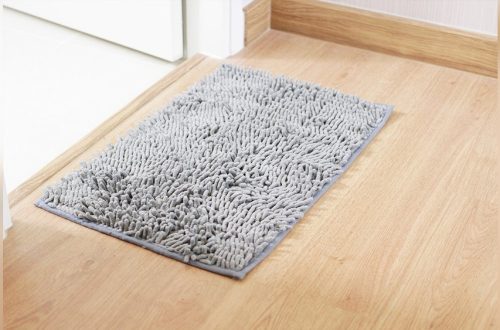
Quick-drying rugs reduce dampness underfoot. Look for rugs with thin fibers or mesh designs. These let water evaporate fast. Rugs with hollow or looped yarn dry faster too. Avoid thick and plush rugs that hold water. A dry rug prevents the perfect environment for mildew.
Non-slip And Breathable Backing
Non-slip backing keeps rugs in place safely. Breathable backing allows air to pass beneath the rug. This stops moisture buildup under the rug. Avoid solid rubber or vinyl backing that traps water. Choose backing with small holes or mesh. It helps keep the floor dry and mildew-free.
Daily Care Practices
Daily care plays a big role in stopping mildew under bathroom rugs. Small habits can keep your bathroom fresh and clean. These habits stop moisture and dirt from building up. Follow these easy daily care tips for better rug health.
Regular Cleaning
Clean your bathroom rugs at least once a week. Shake them outside to remove dust and hair. Vacuum the rugs gently to pick up small dirt. Use a mild detergent for washing. Clean rugs stay dry and free from mildew.
Proper Drying Techniques
After cleaning, dry rugs completely before placing them back. Hang them in a sunny spot if possible. Avoid folding damp rugs; moisture stays trapped inside. Use a fan or open windows to speed up drying. Dry rugs prevent mildew growth under them.
Rotating Rugs Frequently
Move your bathroom rugs every few days. This stops one area from staying damp too long. Rotating rugs gives even wear and better air flow. It reduces trapped moisture, a key cause of mildew. Change rug positions to keep them fresh and dry.
Improving Bathroom Environment
Keeping mildew from growing under bathroom rugs starts with improving the bathroom environment. Moisture and poor air flow create the perfect place for mildew. Controlling these factors helps keep your bathroom fresh and dry. This section covers simple ways to improve air quality and reduce dampness.
Using Exhaust Fans
Exhaust fans remove moist air quickly. Turn them on during and after showers. This stops water vapor from settling on floors and rugs. Make sure your fan is powerful enough for your bathroom size. Regular use of exhaust fans lowers the chance of mildew growth.
Controlling Humidity Levels
High humidity feeds mildew and mold. Use a bathroom dehumidifier to keep moisture low. Open windows when weather allows to let fresh air in. Keep humidity under 50% to prevent mold. Check humidity with an inexpensive meter for best results.
Enhancing Air Circulation
Good air flow dries wet surfaces faster. Keep bathroom doors open after use to let air move freely. Avoid placing rugs on damp floors. Use fans or heaters to boost circulation. This helps water evaporate and stops mildew from forming.
Deep Cleaning Tips
Deep cleaning your bathroom rugs helps stop mildew growth. Dirt and moisture hide under rugs and cause mildew. Regular cleaning keeps your bathroom fresh and safe. Follow these deep cleaning tips to protect your rugs and floor.
Washing Rugs Thoroughly
Take your rugs outside and shake off loose dirt. Check the care label before washing. Use warm water and mild detergent for machine washable rugs. For hand washing, soak rugs in soapy water for 15 minutes. Rinse well to remove all soap. Dry rugs completely in the sun or a well-ventilated area.
Disinfecting With Natural Solutions
Mix equal parts white vinegar and water in a spray bottle. Spray the solution on the rug’s back and let it sit 10 minutes. Vinegar kills mildew and prevents new growth. Another option is to use tea tree oil mixed with water. Spray lightly and air dry. These natural disinfectants are safe and effective.
Removing Stubborn Mildew Stains
Make a paste with baking soda and water. Apply it to mildew stains and scrub gently with a soft brush. Let the paste dry on the stain, then vacuum or shake off. For tough stains, use hydrogen peroxide carefully on the spot. Always test on a small rug area first to avoid damage.
Preventive Measures
Preventing mildew under bathroom rugs is easier than fixing it later. Simple steps help keep the area dry and clean. These measures stop moisture build-up and reduce mildew growth.
Using Rug Pads With Ventilation
Choose rug pads that allow air to flow beneath the rug. Ventilated pads prevent moisture from getting trapped. This keeps the floor and rug dry for longer. Avoid rubber or plastic pads that block airflow.
Avoiding Overwatering Plants Nearby
Plants add beauty but can cause extra moisture. Water plants carefully to avoid spills on the floor. Use saucers under pots to catch excess water. Keep plants away from rugs to reduce dampness.
Checking For Underfloor Leaks
Leaks under the floor create constant moisture, perfect for mildew. Regularly inspect pipes and the floor for damp spots. Fix leaks quickly to stop moisture from spreading. Early detection saves your floor and rug.
Frequently Asked Questions
How Can I Prevent Mildew Under Bathroom Rugs?
Keep rugs dry by airing them regularly. Use moisture-absorbing mats underneath. Clean and dry the floor before placing rugs. Ensure bathroom ventilation is adequate to reduce humidity. Wash rugs frequently to avoid mildew buildup.
What Materials Resist Mildew Under Bathroom Rugs?
Choose rugs made of synthetic fibers like nylon or polyester. These materials dry quickly and resist moisture. Avoid cotton or wool as they retain water. Use mildew-resistant rug pads to enhance protection. This helps prevent fungal growth beneath rugs.
How Often Should Bathroom Rugs Be Cleaned?
Clean bathroom rugs at least once a week. Frequent washing prevents mildew and bacteria buildup. Use hot water and mild detergent for effective cleaning. Air-dry rugs completely before placing them back. Regular maintenance keeps your bathroom fresh and safe.
Does Ventilation Affect Mildew Growth Under Rugs?
Yes, poor ventilation increases moisture and mildew risk. Use exhaust fans or open windows to improve airflow. Proper ventilation helps rugs and floors dry faster. This reduces dampness that encourages mildew growth. Always maintain good bathroom air circulation.
Conclusion
Keeping mildew from growing under bathroom rugs takes simple steps. Always dry the floor well before placing a rug. Use rugs that breathe and avoid trapping moisture. Regularly lift and air out the rugs to stop dampness. Clean rugs often to remove dirt and mold spores.
Small efforts can keep your bathroom fresh and healthy. A dry, clean space feels better and lasts longer. Prevent mildew now to avoid bigger problems later. Simple habits make a big difference every day.