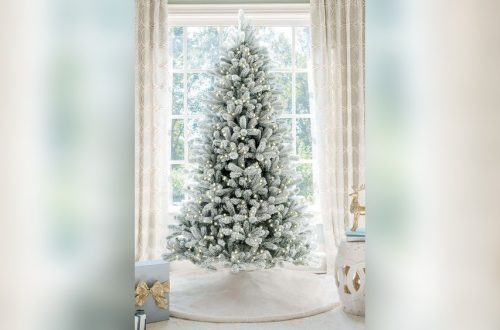
There’s something magical about the glow of lights on a Christmas tree. But if you’ve ever struggled with tangled wires or uneven lighting, you know it can quickly turn frustrating.
What if you could string your lights perfectly every time, making your tree look stunning and inviting? In this guide, you’ll discover simple steps to light your Christmas tree like a pro. By the end, your tree will shine brighter, and your holiday spirit will shine even more.
Ready to transform your tree into a dazzling centerpiece? Let’s get started!
Choosing The Right Lights
Choosing the right lights is the first step in decorating your Christmas tree. The lights set the mood and highlight the tree’s beauty. Picking suitable lights can make your tree shine bright and look festive.
Consider the types of lights, energy use, colors, and safety before buying. This guide helps you find the best lights for your holiday tree.
Types Of Christmas Lights
There are many types of Christmas lights. Mini string lights are small and bright. C7 and C9 bulbs are bigger and give a classic look. Net lights cover the tree evenly and quickly. Icicle lights hang like frozen drops for a winter effect. Each type offers a different style and brightness.
Led Vs. Incandescent
LED lights use less energy and last longer than incandescent bulbs. They stay cool, which lowers fire risk. Incandescent lights cost less but burn out faster. LED lights come in many colors and styles. They are a smart choice for safety and savings.
Color And Style Options
Choose colors to match your holiday theme. Warm white lights create a cozy feeling. Multicolor lights bring fun and cheer. Some lights flash or change colors for more excitement. Pick styles that fit your room and tree size. Simple or fancy—there is a style for everyone.
Safety Considerations
Check for safety labels before buying lights. Use lights made for indoor or outdoor use as needed. Avoid broken bulbs or frayed wires. Turn off lights when not in use to prevent accidents. Secure the lights well to stop tripping or falling. Safety keeps your holiday bright and worry-free.
Preparing The Tree
Preparing your Christmas tree is the first step to a beautiful holiday display. Taking time here makes stringing lights easier and the tree look better. Focus on choosing the right tree, setting it up well, and making sure branches are ready for decorations.
Selecting A Healthy Tree
Pick a tree that looks fresh and green. Check the needles. They should be soft and stay on when you touch them. Avoid trees with brown or dry needles. A healthy tree lasts longer and holds lights better.
Setting Up The Tree Stand
Choose a sturdy stand that fits your tree’s trunk size. Place the tree in the stand and tighten the screws evenly. Make sure the tree stands straight and does not wobble. Add water to keep the tree fresh.
Fluffing The Branches
Start from the bottom and work up. Gently pull apart each branch to fill gaps. Spread branches evenly to create a full look. Fluffed branches hold lights and ornaments well. This step helps lights shine through evenly.
Planning Your Lighting Design
Planning your lighting design is the first step to a beautifully lit Christmas tree. A clear plan helps avoid tangled wires and uneven light coverage. It saves time and creates a balanced, festive look. Think about how you want your tree to shine before you start stringing lights.
Deciding On Light Placement
Choose where you want the lights on your tree. Wrap lights around the branches from the trunk to the tips. Place some lights deep inside the tree for a glowing effect. Don’t just focus on the outside; lights inside add depth and sparkle.
Space the lights evenly. Avoid big gaps or crowded spots. Step back often to check your progress and adjust as needed.
Calculating The Number Of Lights Needed
Measure your tree’s height and width. A good rule is 100 lights for every foot of tree. For example, a 6-foot tree needs about 600 lights. More lights mean a brighter, fuller look. Fewer lights create a subtle, cozy glow.
Consider the light type too. LED lights use less power but look very bright. Count your strings and bulbs to match the tree size.
Choosing A Lighting Pattern
Pick a pattern that fits your style. Wrap lights around the tree in a spiral for a classic look. Drape them vertically from top to bottom for a modern feel. Or try zig-zag patterns for a playful twist.
Keep the pattern consistent. This helps the tree look neat and balanced. Change direction or spacing only if you want a unique design.
Stringing The Lights
Stringing lights on a Christmas tree can sometimes bring small problems. These issues can stop your tree from looking perfect. Fixing these problems quickly helps your tree shine bright. Here are common problems and easy ways to fix them.
Fixing Burned-out Bulbs
Burned-out bulbs cause parts of the string to go dark. Check each bulb carefully. Replace any burned-out bulbs with the right size and type. Use a bulb tester to find broken bulbs faster. Keep extra bulbs handy for quick fixes.
Dealing With Tangled Strings
Tangled strings waste time and cause frustration. Gently untangle the lights before placing them on the tree. Use a flat surface and work from one end. Avoid pulling hard to prevent wire damage. Coil the lights neatly when storing after use.
Ensuring Even Light Distribution
Uneven light makes your tree look messy. Start stringing lights from the bottom or the center. Spread the lights evenly along each branch. Step back often to check the balance of lights. Adjust bulbs and strings to fill dark spots.
Troubleshooting Common Issues
Taking care of your Christmas lights after the holidays helps them last longer. Proper maintenance and storage save you time and money. Clean lights work better and look brighter next season. Follow simple steps to keep your lights safe and ready.
Cleaning After The Season
Remove dust and dirt gently with a soft cloth. Avoid water or harsh cleaners that can damage bulbs. Check each bulb for any stuck debris. Clean plugs carefully to keep connections strong. Let lights dry completely before storing.
Proper Storage Methods
Wrap lights around a piece of cardboard or a spool. This prevents tangling and breaks in the wire. Store lights in a cool, dry place away from direct sunlight. Use a labeled container to find them easily next year. Avoid heavy items on top to stop damage.
Checking For Damage Before Reuse
Inspect wires for cracks or frays before plugging in. Test each bulb to ensure it lights up. Replace broken bulbs with ones that match your set. Check plugs and sockets for corrosion or loose parts. Do not use lights with exposed wires or damaged plugs.
Frequently Asked Questions
How Do I Start Stringing Lights On A Christmas Tree?
Begin at the tree’s base and plug in the lights. Wrap them around the trunk first, then weave through branches evenly. This ensures consistent light distribution and prevents tangling.
What Type Of Lights Are Best For Christmas Trees?
LED lights are energy-efficient, long-lasting, and produce less heat. They are safer for indoor use and come in various colors and styles.
How Many Light Strands Do I Need For My Tree?
A general rule is 100 lights per foot of tree height. For example, a 6-foot tree requires about 600 lights for optimal brightness.
Should I Test Christmas Lights Before Hanging?
Yes, testing lights beforehand ensures all bulbs work properly. Replace any faulty bulbs to avoid dark spots on your tree.
Conclusion
Stringing lights on a Christmas tree brings warmth and joy to your home. Start with a clear plan for even light distribution. Wrap lights carefully around branches for the best effect. Choose soft white or colorful bulbs to match your style.
Test lights before hanging to avoid dark spots. Step back often to see your progress clearly. Enjoy the sparkle and festive feel your tree creates. Simple steps make decorating stress-free and fun every year. Your tree will shine bright, spreading holiday cheer to all.