Are you thinking about adding a cozy wool rug to your bathroom? It sounds like a great idea—wool rugs are soft, warm, and stylish.
But before you place one near your sink or tub, you might wonder if it’s really a good fit for such a humid space. Can a wool rug handle the moisture and frequent splashes without getting ruined? Keep reading, because we’ll uncover the truth about using wool rugs in bathrooms and share tips to help you keep yours looking fresh and beautiful.
Your bathroom makeover just got a little easier!
Benefits Of Wool Rugs
Wool rugs bring many benefits to any room, including the bathroom. They combine practicality with style. Wool is a natural material that offers comfort and durability. These rugs can enhance your space while standing up to daily use. The following points explain why wool rugs are a great choice.
Durability And Comfort
Wool fibers are strong and last a long time. They resist wear even in busy areas. The rug stays soft and cozy underfoot. Wool naturally cushions your steps. This comfort makes the bathroom feel warm and inviting.
Natural Water Resistance
Wool repels water better than many other fibers. It absorbs moisture without feeling wet quickly. This helps reduce slips and keeps the floor safer. Wool also dries faster, preventing mold and mildew growth.
Aesthetic Appeal
Wool rugs have a rich texture that looks elegant. They add color and style to plain bathroom floors. Wool’s natural fibers bring a unique, warm look. This makes your bathroom feel more welcoming and stylish.
Challenges In Bathroom Use
Using a wool rug in the bathroom brings several challenges. Bathrooms are humid and wet places. Wool is natural but sensitive to moisture and daily use. These factors can affect the rug’s look and life.
Understanding these challenges helps you decide if a wool rug fits your bathroom needs.
Moisture And Mold Risks
Bathrooms have high moisture and steam. Wool absorbs water easily. This can lead to dampness inside the rug. Damp wool can grow mold and mildew fast. Mold damages the rug and causes bad smells. It also creates health risks for your family.
Maintenance Concerns
Wool rugs need careful cleaning. Frequent washing can shrink or damage wool fibers. Drying a wet wool rug takes time. Improper drying causes wool to stay wet longer. This encourages mold and weakens the rug. Regular vacuuming and spot cleaning are needed to keep it fresh.
Wear And Tear Factors
Bathrooms have hard surfaces and heavy foot traffic. Wool rugs can wear out quickly here. Water spills and soap can stain wool easily. Wool fibers may lose softness over time. Constant moisture weakens the rug’s structure. This leads to holes and fraying edges.
Choosing The Right Wool Rug
Choosing the right wool rug for your bathroom is key for style and function. Wool rugs bring warmth and comfort, but bathrooms need special care. Picking the correct rug helps it last longer and stay safe in a damp space.
Consider the weave, size, and backing to find the best fit. These factors affect how the rug handles moisture and slips. Let’s explore what to look for in each area.
Weave And Pile Considerations
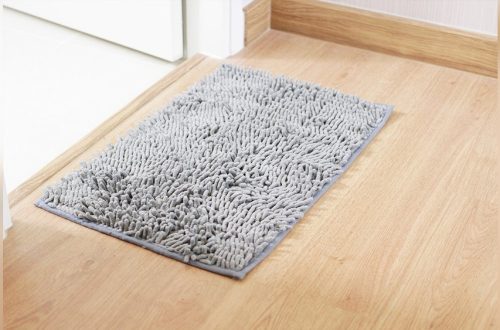
Choose a tight weave to resist water and dirt. Flatweave rugs dry faster and avoid mold buildup. Low pile rugs are better because they hold less moisture. Thick, fluffy rugs may stay wet longer and smell bad. A simple texture cleans easily and works well in bathrooms.
Size And Placement Tips
Pick a rug size that fits your space. It should cover the floor near the sink or tub without blocking doors. Small rugs work well in front of sinks or toilets. Large rugs can cover more floor but need room to dry. Place rugs where water splashes the most for comfort and safety.
Non-slip Backing Options
Non-slip backing prevents accidents on wet floors. Look for rugs with rubber or latex backing for grip. If the rug has no backing, add a non-slip pad underneath. This keeps the rug in place and stops falls. Safety is important, especially in slippery bathroom areas.
Care And Maintenance Tips
Taking care of a wool rug in the bathroom requires attention and simple steps. Wool is natural and delicate, so it needs special care to stay fresh and beautiful. Proper maintenance helps the rug last longer and keeps it safe from damage caused by moisture.
Regular Cleaning Methods
Vacuum the rug gently to remove dust and dirt. Use a vacuum without a beater bar to avoid pulling fibers. Spot clean spills immediately using a damp cloth. Use mild soap mixed with water for stains. Avoid harsh chemicals that can harm wool fibers.
Drying And Airing Techniques
After cleaning, dry the rug quickly to prevent dampness. Hang it in a well-ventilated room or outside in shade. Avoid direct sunlight to stop color fading. Turn the rug regularly to air both sides well. Do not use a dryer or heater, as high heat can shrink wool.
Preventing Mold And Mildew
Keep the bathroom dry and use a fan or dehumidifier. Avoid placing the rug in areas where water pools. Lift the rug often to check for damp spots underneath. Use natural wool’s breathability to your advantage. Clean and dry the rug thoroughly after each wash to stop mold growth.
Alternatives To Wool Rugs In Bathrooms
Bathrooms need rugs that can handle moisture and frequent cleaning. Wool rugs absorb water and dry slowly. This makes them less ideal for bathroom use. Choosing the right alternative helps keep your bathroom fresh and safe. Below are some great options for bathroom rugs that work well in wet spaces.
Synthetic Rugs Benefits
Synthetic rugs resist water and dry quickly. Materials like nylon and polyester do not hold moisture. They prevent mold and mildew growth. These rugs are easy to clean and maintain. Synthetic rugs also come in many colors and styles. They stay durable even in humid rooms.
Cotton And Bamboo Choices
Cotton rugs are soft and absorbent. They dry faster than wool and feel comfortable underfoot. Bamboo rugs are natural and resist water better than many fabrics. Both options are eco-friendly and gentle on the skin. They provide a fresh, natural look for bathrooms.
Waterproof Rug Options
Waterproof rugs offer the best moisture protection. Made from materials like vinyl or rubber, they stop water from soaking in. These rugs prevent slips and are easy to clean. Waterproof rugs fit perfectly near showers or sinks. They combine safety and convenience in wet areas.
Frequently Asked Questions
Can You Use A Wool Rug In A Bathroom?
Yes, you can use a wool rug in a bathroom, but it requires careful maintenance. Wool absorbs moisture, so ventilation is key to prevent mold and mildew.
How To Maintain A Wool Rug In Humid Bathrooms?
To maintain a wool rug in humid bathrooms, ensure good airflow. Use a dehumidifier and regularly air out the rug to keep it dry and fresh.
Are Wool Rugs Good For Bathroom Floors?
Wool rugs are soft and absorbent, but not ideal for wet bathroom floors. They can retain moisture, leading to damage and unpleasant odors over time.
What Are The Risks Of Putting Wool Rugs In Bathrooms?
Wool rugs in bathrooms risk mold, mildew, and fiber damage due to constant moisture. Proper drying and ventilation reduce these risks significantly.
Conclusion
Wool rugs add warmth and style to any room. Bathrooms can be tricky because of moisture. Wool can absorb water and take time to dry. This may cause damage or mold if not cared for. Use wool rugs in bathrooms with good ventilation.
Place them away from direct water splashes. Regular cleaning helps keep wool rugs fresh and safe. Choose rugs with a strong backing to protect floors. Wool rugs bring comfort but need careful handling in bathrooms. Consider these tips before placing wool rugs in your space.