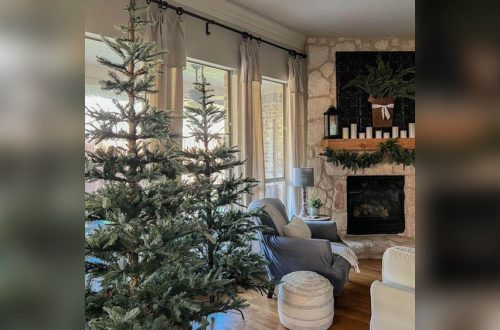
Are you ready to transform your space with a warm, glowing touch? Hanging a string of lights can instantly brighten your room, patio, or garden, making any area feel cozy and inviting.
But if you’re unsure where to start or worried about making mistakes, don’t worry—you’re in the right place. In this guide, you’ll discover simple, step-by-step tips to hang your lights safely and beautifully. By the end, you’ll have the confidence to create the perfect ambiance that draws everyone in.
Let’s get started and turn your vision into a shining reality!
Choosing The Right Lights
Choosing the right lights is key to a beautiful and safe display. Different string lights suit different spaces and purposes. Picking the right type affects the look, durability, and energy use. This guide helps you find the best lights for your needs.
Types Of String Lights
String lights come in many styles. Classic mini bulbs give a soft, warm glow. Globe lights offer bigger, round bulbs for a bold look. Fairy lights feature tiny LED bulbs on thin wires, perfect for delicate decor. Rope lights use a flexible tube with many bulbs inside for bright, even lighting. Choose the style that matches your space and mood.
Indoor Vs Outdoor Options
Indoor lights are made for dry, protected places. They often have thinner wires and less weather protection. Outdoor lights have stronger insulation to resist rain, wind, and cold. Outdoor-rated lights are safer outside and last longer. Always check the label to ensure lights fit your intended location.
Energy Efficiency And Bulb Types
LED bulbs use much less energy than traditional incandescent bulbs. They stay cool and last longer, saving money and effort. Incandescent bulbs are cheaper but consume more power and burn out faster. Solar string lights use sunlight to charge, great for areas without easy power access. Choose energy-saving lights to reduce costs and protect the environment.
Planning Your Layout
Planning your layout is the first step to hanging a string of lights perfectly. It helps you avoid mistakes and ensures the lights fit the space well. Taking time to plan saves effort and creates a beautiful display.
Measuring The Space
Start by measuring the area where you want to hang the lights. Use a tape measure to get the length and width. Note any obstacles like doors, windows, or trees. Write down the total distance to cover. This helps you buy the right amount of lights without wasting any.
Design Patterns And Styles
Choose a design that fits your space and mood. Straight lines work well for fences or walls. Zigzag patterns add energy and movement. Draping lights creates a soft, cozy feel. Think about spacing between bulbs. Closer bulbs mean brighter light. Spread out bulbs give a subtle glow.
Safety Considerations
Check that your lights are rated for outdoor use if outside. Avoid placing lights near water or heat sources. Use sturdy hooks or clips to hold the lights securely. Do not overload electrical outlets. Keep cords away from walkways to prevent tripping. Safety keeps your display running smoothly and worry-free.
Gathering Tools And Materials
Before hanging a string of lights, gather all tools and materials. This step ensures a smooth and safe setup. Preparing ahead saves time and avoids surprises. Choose the right items to fit your space and light type.
Mounting Hardware Choices
Select mounting hardware that suits your surface. Hooks, clips, and adhesive strips work well for different walls. For wood, nails or screw-in hooks hold lights firmly. Use plastic clips for gutters or shingles. Avoid damaging surfaces with strong adhesives. Check weight limits on any hardware you pick.
Extension Cords And Power Sources
Pick extension cords designed for outdoor use if placing lights outside. Outdoor cords resist weather and moisture. Use cords with enough length to reach your outlet safely. Avoid overloading outlets by checking the total wattage of your lights. Consider a power strip with a surge protector for safety. Plan power sources near your hanging area.
Ladders And Safety Gear
Use a sturdy ladder to reach high spots. Choose a ladder tall enough for your ceiling or tree branches. Place it on a flat, stable surface. Wear gloves to protect your hands from sharp hooks or wires. Safety glasses shield your eyes from debris. Always have someone nearby for support. Safety first prevents accidents.
Step-by-step Hanging Process
Hanging a string of lights creates a warm and inviting atmosphere. The process is simple when broken down into clear steps. Follow these easy instructions to get your lights up safely and neatly. Each step builds on the last, making the whole task manageable.
Preparing The Area
Clear the space where the lights will hang. Remove obstacles and dirt from walls or eaves. Measure the length to know how many lights you need. Check the power source location. Make sure it is close enough for your string of lights. Gather all tools and materials before starting.
Installing Hooks And Clips
Select hooks or clips suitable for your surface. Plastic clips work well on gutters or siding. Screw-in hooks hold better on wood. Space hooks evenly to support the lights. Secure hooks firmly but avoid damage to walls. Use a ladder carefully to reach high places.
Stringing And Securing Lights
Unroll the string of lights gently. Start from the power plug end near the outlet. Attach the lights to hooks or clips one by one. Keep the string taut but not too tight. Avoid tangling or twisting the wires. Test the lights before finalizing the setup. Secure loose wires to prevent tripping or damage.
Maintaining And Troubleshooting
Maintaining and troubleshooting your string of lights is key for long-lasting use. Small checks keep your lights bright and safe. Regular care avoids many common problems.
Checking Connections
Start by inspecting all plugs and sockets. Make sure each connection fits tightly. Loose connections cause flickering or no light at all. Clean dirty contacts with a dry cloth. Avoid moisture near electrical parts for safety.
Replacing Bulbs
Check each bulb for damage or darkness. Replace any broken or burnt-out bulbs quickly. Use bulbs that match the string’s specifications. Turn off the power before removing bulbs. Handle bulbs gently to avoid breakage.
Storing Lights Safely
Store lights in a cool, dry place after use. Coil the string loosely to avoid tangles. Use a spool or a box to keep them neat. Avoid sharp bends that can damage wires. Proper storage makes setup easier next time.
Frequently Asked Questions
How Do I Hang String Lights Outdoors Safely?
Use weatherproof lights and secure them with outdoor-rated hooks or clips. Avoid nails to prevent wire damage. Ensure connections are off the ground and protected from moisture. Always check for proper voltage and use a GFCI outlet for safety.
What Tools Are Needed To Hang String Lights?
Basic tools include a ladder, measuring tape, hooks or clips, and a power drill. You may also need zip ties or adhesive hooks for extra support. Having the right tools makes installation easier and safer, ensuring lights stay securely in place.
Can I Hang String Lights On A Brick Wall?
Yes, use masonry hooks or adhesive hooks designed for brick. Avoid drilling holes if possible to prevent wall damage. Ensure hooks can support the weight of the lights and securely fasten the string to prevent sagging.
How Far Apart Should String Lights Be Hung?
Typically, hang string lights 12 to 18 inches apart for even lighting. Adjust spacing based on light size and desired brightness. Proper spacing ensures balanced illumination and enhances the aesthetic appeal of your space.
Conclusion
Hanging a string of lights can brighten any space quickly. Choose the right spot and secure your lights safely. Check for power sources and avoid tangled cords. Take your time and enjoy the process. Soon, your area will glow warmly and beautifully.
Simple steps make decorating easy and fun. Now, you are ready to add a cozy touch to your home. Shine bright and enjoy the light!