Are you tired of plain, boring bathroom rugs that don’t match your style? Imagine stepping onto a soft, colorful throw rug that you made yourself—designed exactly how you want it.
Making your own bathroom throw rugs isn’t as hard as you think. In fact, with just a few simple materials and easy steps, you can create something unique that brightens your space and feels great underfoot. Keep reading, and you’ll discover how to turn ordinary fabric into a cozy, stylish rug that’s perfect for your bathroom.
Your feet—and your home—will thank you.
Materials Needed
Gathering the right materials is the first step to making bathroom throw rugs. The quality of your rug depends on the fabric and tools you choose. Selecting suitable materials ensures your rug is durable and comfortable.
Choosing The Right Fabric
Pick a fabric that can absorb water well and dry fast. Cotton is soft and easy to clean. Microfiber works great for quick drying. Avoid delicate fabrics that may wear out quickly. Look for thick, sturdy material for safety and comfort underfoot.
Essential Tools And Supplies
You will need scissors to cut fabric accurately. A sewing machine speeds up the process but hand sewing works too. Thread should match your fabric for a neat finish. Use a non-slip rug pad to keep the rug in place. Pins help hold pieces together while sewing. Measuring tape ensures precise cuts and shapes.
Preparing The Fabric
Preparing the fabric is a key step in making bathroom throw rugs. It helps the rug last longer and look better. Taking time to prepare the fabric ensures your rug stays soft and strong. Good preparation also makes sewing easier and gives a neat finish.
Measuring And Cutting
Start by measuring the area where you want the rug. Use a tape measure for accurate size. Add an extra inch to each side for seams. Mark the fabric with a pencil or fabric chalk. Cut the fabric carefully along the marks. Use sharp scissors for clean edges. Straight cuts help the rug look professional.
Pre-washing And Drying Tips
Wash the fabric before cutting and sewing. This removes dirt and chemicals. It also prevents the fabric from shrinking later. Use cold water and mild detergent. Avoid bleach or harsh chemicals. Dry the fabric completely before use. Air drying is best to keep fabric soft. Iron the fabric to remove wrinkles. Smooth fabric is easier to cut and sew.
Basic Stitching Techniques
Basic stitching techniques form the foundation for making bathroom throw rugs. These skills help create strong, neat edges and secure layers. Simple stitches keep the rug durable and comfortable underfoot. Learning these techniques ensures your rug looks good and lasts long.
Simple Hand Stitching
Hand stitching requires only a needle and thread. Choose a strong thread that matches your fabric. Use a running stitch for basic seams. This stitch passes the needle in and out of the fabric evenly. It creates a straight line of small, regular stitches.
For stronger seams, try the backstitch. It loops back slightly to cover gaps. This stitch holds fabric tightly together. Hand stitching allows more control over small details. It works well for delicate fabric or precise finishes.
Using A Sewing Machine
A sewing machine speeds up the stitching process. Set your machine to a straight stitch for most seams. Adjust the stitch length to medium for durability. Guide the fabric slowly through the machine to keep lines straight.
Use a zigzag stitch to finish raw edges. This prevents fabric from fraying over time. Sewing machines create even, strong stitches quickly. They are ideal for larger projects like rugs. Practice on scrap fabric to build confidence before starting.
Creating The Rug Shape
Creating the rug shape is an important step in making bathroom throw rugs. The shape affects the look and fit of the rug in your bathroom. You can choose simple shapes or get creative with custom designs. The size also matters to cover the right area and make the space comfortable. This section explains how to shape your rug for the best result.
Square And Rectangle Designs
Square and rectangle rugs are easy to make and fit most bathrooms. These shapes work well near sinks or bathtubs. Measure the space carefully before cutting the fabric. Use a ruler and chalk to mark straight lines. Cut slowly to keep edges clean. These shapes are simple but look neat and tidy.
Custom Shapes And Sizes
Custom shapes add personality to your bathroom. Try circles, ovals, or even fun shapes like clouds. Draw the shape on paper first to check the size. Use fabric scissors to follow the outline exactly. Make sure the rug fits well around furniture or fixtures. Custom sizes help cover odd spaces and create a unique look.
Adding Texture And Style
Adding texture and style to bathroom throw rugs makes them stand out. Textures bring a cozy feel underfoot. Style shows your personality in small details. Small touches can make a big difference in your bathroom decor. Simple techniques help you create unique rugs. These methods do not require special skills or tools.
Fringe And Tassels
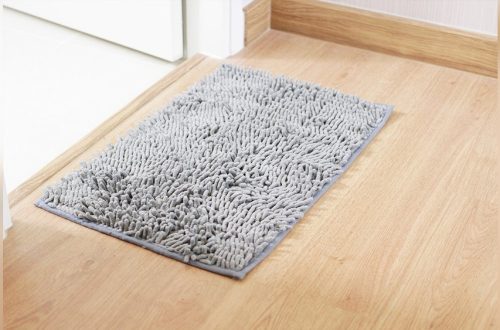
Fringes and tassels add fun movement to rugs. Attach fringes along the edges for a soft look. Tassels bring charm and a handmade feel. Use yarn or fabric strips to create them. Secure tightly to avoid shedding. Choose colors that match or contrast with your rug. This detail changes a plain rug into something lively.
Appliqué And Embroidery
Appliqué and embroidery add detailed patterns and texture. Appliqué means sewing fabric shapes onto the rug surface. Choose simple shapes like flowers or geometric patterns. Embroidery uses stitches to create designs on the rug. Use thick thread for a bold look. These techniques allow you to personalize your rug. They also make the rug feel soft and inviting.
Finishing Touches
Finishing touches make your bathroom throw rugs last longer. They keep the rug neat and safe. These steps help your rug look great and stay in place. Pay attention to small details for a clean finish.
Securing Edges
Edges can fray if not secured well. Use a strong thread to sew around the edges. A zigzag stitch works best to hold the fabric. Fold the edges inward before sewing. This hides raw edges and gives a tidy look.
Another option is fabric glue for no-sew rugs. Apply glue along the edges and press firmly. Let it dry completely before use. This step stops threads from coming loose.
Adding Non-slip Backing
Non-slip backing prevents accidents on wet floors. Cut a piece of non-slip material to fit your rug. Attach it using fabric glue or sew it on. Press firmly to avoid wrinkles or bubbles.
Store-bought non-slip pads work well and are easy to find. They keep the rug stable and protect your bathroom floor. This simple step adds safety and comfort.
Care And Maintenance
Bathroom throw rugs need proper care to stay fresh and last longer. Regular cleaning and good habits keep them soft and safe from damage. This section shares simple steps to wash and maintain your rugs effectively.
Washing Instructions
Check the rug’s label before washing. Most rugs can be machine washed on a gentle cycle with cold water. Use mild detergent to avoid fading colors. Avoid bleach or harsh chemicals that may harm the fibers. After washing, air dry the rug flat or hang it to dry. Avoid direct sunlight to prevent color fading. Do not use high heat in the dryer, as it can shrink or damage the rug.
Tips For Longevity
Shake or vacuum the rug regularly to remove dust and dirt. Spot clean spills immediately with a damp cloth. Avoid placing rugs in very damp areas to prevent mold and mildew. Use a non-slip pad underneath to reduce wear and keep the rug in place. Rotate the rug occasionally to even out wear and fading. Store rugs in a dry, cool place when not in use to keep them fresh and clean.
Frequently Asked Questions
What Materials Are Best For Bathroom Throw Rugs?
The best materials for bathroom throw rugs are cotton, microfiber, and memory foam. These materials absorb water well and dry quickly. They also provide comfort and prevent slipping on wet floors. Choose machine-washable fabrics for easy cleaning and durability.
How Do I Make A Non-slip Bathroom Throw Rug?
To make a non-slip rug, add a rubber or silicone backing. You can buy non-slip rug pads or apply a non-slip spray. This prevents slipping and enhances safety, especially on tile or hardwood bathroom floors.
How Do I Customize The Size Of A Bathroom Throw Rug?
Measure your bathroom floor space before cutting fabric. Use scissors or a rotary cutter to trim the rug to your desired size. You can sew or use fabric glue to finish edges and prevent fraying.
Can I Make A Bathroom Throw Rug From Old Towels?
Yes, old towels make excellent bathroom rugs. Cut and sew towel pieces together for a thick, absorbent rug. This is an eco-friendly way to recycle and create a soft, durable bath mat.
Conclusion
Making your own bathroom throw rugs is simple and fun. Choose soft materials and colors that match your style. Cut and sew carefully to get the perfect size. Adding a non-slip backing keeps rugs safe and steady. Handmade rugs add comfort and personality to any bathroom.
Try creating one today to enjoy a fresh, cozy space. Small steps lead to big changes in your home’s look. Keep practicing, and your skills will improve with time.