Have you ever found your bathroom rug soaked in an unexpected way, leaving you frustrated and confused? If you’re wondering why your cat suddenly chooses your bathroom rug as their personal restroom, you’re not alone.
This behavior can be puzzling and even stressful, especially when you want a clean and peaceful home. You’ll discover the surprising reasons behind this habit and learn simple steps you can take to stop it for good. Keep reading—you’re about to unlock the secrets to a happier cat and a cleaner bathroom.
Common Triggers For Bathroom Rug Urination
Cats peeing on bathroom rugs can be puzzling. Understanding common triggers helps solve this problem. Cats choose spots for specific reasons. Bathroom rugs often smell like their owners or carry other scents. These triggers can cause cats to urinate there instead of their litter box.
Recognizing these reasons helps you find the right solution fast. It also protects your home from stains and odors. Below are the main causes behind this behavior.
Stress And Anxiety Factors
Cats feel stressed by changes in their environment. New people, pets, or loud noises can upset them. Stress may cause cats to pee outside the litter box. Bathroom rugs feel safe and familiar, making them a target. Anxiety makes cats mark places to feel more secure.
Medical Issues In Cats
Health problems often cause unusual urination. Urinary tract infections, bladder stones, or kidney disease are common issues. These conditions make urination painful and urgent. Cats may avoid the litter box if it hurts. Bathroom rugs might seem softer and easier to use during discomfort.
Territorial Marking Behavior
Cats mark territory to show ownership. This behavior increases with other animals nearby. Peeing on bathroom rugs leaves a strong scent mark. It signals to other cats that this space belongs to them. Marking helps reduce conflicts but creates messes for owners.
Litter Box Problems
Dirty or small litter boxes cause cats to avoid them. Cats dislike strong odors and dirty litter. Wrong litter type or location can confuse cats. Bathroom rugs feel cleaner or more private in comparison. Fixing litter box issues often stops rug urination quickly.
Bathroom Rugs As A Target
Cats often choose bathroom rugs as places to pee. These rugs have qualities that attract cats. Understanding why helps solve this problem.
Texture And Absorbency Appeal
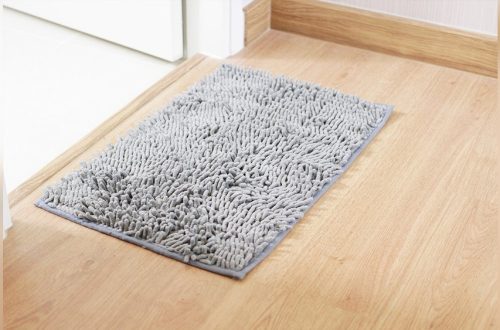
Bathroom rugs feel soft and warm under paws. Cats like the texture for comfort. Rugs also soak up liquids fast. This absorbency makes rugs a good spot for cats to pee. The feeling reminds cats of soil or grass outdoors.
Scent Retention And Attraction
Bathroom rugs hold smells longer than hard floors. Cats rely on their sense of smell to mark territory. Rugs keep scents from urine or cleaning products. These scents can attract cats back to the same spot. The rug’s smell builds a signal for cats to return.
Location And Accessibility
Bathroom rugs sit near sinks, toilets, or tubs. These spots are quiet and private. Cats enjoy privacy when they pee. Rugs are easy to reach and soft to step on. These factors make rugs an easy choice for cats.
Preventive Measures To Protect Rugs
Protecting your bathroom rugs from cat urine requires some smart steps. Cats pee on rugs for several reasons. Taking preventive measures helps keep rugs clean and your cat happy. Here are key ways to stop this behavior.
Improving Litter Box Conditions
Keep the litter box clean. Scoop it daily and change litter weekly. Use unscented, clumping litter most cats prefer. Place the box in a quiet, private spot. Provide one box per cat, plus one extra. Some cats avoid dirty or crowded boxes.
Reducing Cat Stress Levels
Stress can cause cats to pee outside the box. Create a calm environment with hiding spots and toys. Stick to regular feeding and play schedules. Avoid loud noises or sudden changes. Consider pheromone sprays to soothe your cat.
Using Deterrents On Rugs
Use safe sprays that discourage cats from peeing on rugs. Try placing double-sided tape or aluminum foil on the rug. Cats dislike walking on sticky or noisy surfaces. Remove the deterrents once the habit stops.
When To Seek Veterinary Help
Cats peeing on bathroom rugs can signal health or behavior issues. Knowing when to seek veterinary help is important. Early action can prevent serious problems. Pay close attention to your cat’s habits and health.
Signs Of Urinary Tract Infections
Urinary tract infections (UTIs) cause pain and discomfort in cats. Watch for frequent urination or straining to pee. Blood in the urine is a clear warning sign. Your cat may also lick its genital area more often. Sudden accidents outside the litter box can indicate UTIs. These symptoms need a vet’s attention quickly.
Behavioral Assessments
Changes in your cat’s behavior may cause rug urination. Stress, anxiety, or changes in the home can affect cats. Notice if your cat hides or acts restless. Aggression or withdrawal may also appear. A vet can help determine if behavior is the cause. They might suggest ways to reduce stress and improve habits.
Frequently Asked Questions
Why Do Cats Choose Bathroom Rugs To Pee On?
Cats often pee on bathroom rugs due to stress, marking territory, or medical issues. Rugs absorb urine, masking the scent and attracting repeat behavior. Changes in litter box cleanliness or location can also lead cats to seek alternative spots like bathroom rugs.
Can Medical Problems Cause Cats To Pee On Rugs?
Yes, urinary tract infections or bladder issues can make cats pee outside the litter box. Pain or discomfort during urination causes them to associate the box with pain. A vet checkup is essential to rule out or treat any health problems.
How Can I Stop My Cat From Peeing On Bathroom Rugs?
Keep the litter box clean and accessible. Use enzymatic cleaners to remove urine odors from rugs. Provide stress relief through play and a calm environment. If behavior persists, consult a veterinarian or animal behaviorist for guidance.
Does Litter Box Location Affect Cats Peeing Habits?
Yes, cats prefer quiet, private, and easily accessible litter box locations. Placing the box near noisy or high-traffic areas can discourage use. Relocating the litter box can reduce rug peeing by making the box more inviting.
Conclusion
Cats pee on bathroom rugs for many reasons. Stress, health problems, or changes at home can cause this. Rugs smell soft and warm, so cats may prefer them. Cleaning accidents quickly helps stop repeat behavior. Providing a clean litter box is key.
Watching your cat’s habits keeps them happy and healthy. Understanding why helps you fix the problem. Patience and care make a big difference. Keep your cat comfortable and your home fresh. Small steps lead to better habits for your pet.