Are you wondering if you can use a regular rug in your bathroom? It’s a common question, and the answer isn’t as simple as you might think.
Your bathroom is a space full of moisture and spills, so choosing the right rug matters more than you realize. Using the wrong rug can lead to slippery floors, mold, and damage. But don’t worry—this article will help you understand what works, what doesn’t, and how to keep your bathroom safe and stylish.
Keep reading to find out how to pick the perfect rug for your bathroom and avoid costly mistakes.
Bathroom Rug Basics
Choosing the right rug for your bathroom is important for comfort and safety. Bathrooms have special needs that affect the type of rug you can use. Regular rugs might not always be the best choice. Understanding basic facts about bathroom rugs helps you pick the right one.
Common Rug Types
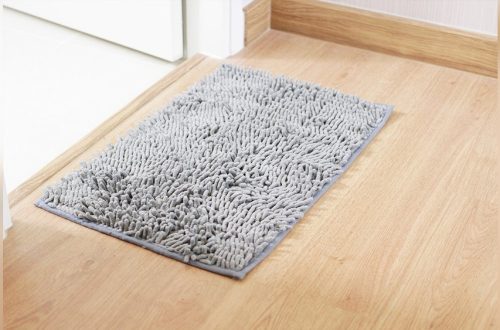
There are several types of rugs. Cotton rugs are soft and absorbent but dry slowly. Memory foam rugs offer comfort but can hold moisture. Microfiber rugs dry fast and resist stains. Rubber-backed rugs prevent slipping. Each type has its own benefits and drawbacks.
Bathroom Environment Challenges
Bathrooms are humid and wet places. Water spills and steam make rugs damp often. This causes mold and mildew growth on regular rugs. Slippery floors are a safety risk. Rugs must dry quickly and stay in place. Regular rugs may not handle these challenges well.
Risks Of Regular Rugs In Bathrooms
Using a regular rug in a bathroom can cause several problems. Bathrooms are wet and humid places. Regular rugs are not designed to handle such moisture. This can lead to damage and health risks. Understanding these risks helps in choosing the right bathroom mat.
Moisture Damage
Regular rugs absorb water quickly. This makes them heavy and hard to dry. Wet rugs can wear out faster and lose color. The backing of the rug may peel or break down. Moisture can also damage the floor beneath the rug. This leads to costly repairs and replacements.
Mold And Mildew Growth
Bathrooms have high humidity levels. Regular rugs trap moisture in their fibers. This creates a perfect place for mold and mildew. These fungi cause bad smells and stains. Mold can spread to walls and floors. It also poses health risks like allergies and breathing problems.
Safety Concerns
Regular rugs often lack non-slip backing. They can slide on smooth bathroom floors. This increases the risk of slips and falls. Wet rugs are even more slippery. This is dangerous for children and older adults. Choosing a rug made for bathrooms helps prevent accidents.
Features Of Ideal Bathroom Rugs
Choosing the right rug for a bathroom is important for safety and comfort. Bathroom rugs face water, heat, and moisture every day. They need special features to handle these conditions well.
The best bathroom rugs protect your floor and keep you safe. They dry quickly and stay in place. These qualities make a rug ideal for bathroom use.
Water Resistance
Bathroom rugs must resist water. Water-resistant rugs stop moisture from soaking through. This helps prevent mold and damage to the floor. Regular rugs often absorb water, which can cause problems.
Quick Drying Materials
Materials that dry fast keep the rug fresh. Quick drying stops bad smells and bacteria growth. Fabrics like microfiber and cotton blend dry faster than regular rugs. Fast drying also means the rug stays soft and comfortable.
Non-slip Backing
Safety is key in a bathroom. Rugs with non-slip backing stay firmly on the floor. This backing stops slips and falls on wet surfaces. Regular rugs usually lack this feature, making them risky in bathrooms.
Expert Tips For Using Regular Rugs
Using a regular rug in a bathroom can add warmth and style. It also feels nice underfoot. Yet bathrooms have moisture and spills. This means regular rugs need special care. These expert tips help you pick, place, and clean rugs safely.
Proper Rug Selection
Choose rugs made from quick-drying materials like cotton or synthetic fibers. Avoid thick, heavy rugs that hold water. Look for rugs with a non-slip backing for safety. Bright colors and patterns hide stains well. Pick rugs that fit the bathroom size and shape.
Maintenance And Cleaning
Shake rugs outside often to remove dust and dirt. Wash them regularly according to care labels. Use mild detergent and cold water to keep colors bright. Dry rugs completely before putting them back to stop mold. Spot clean spills quickly to avoid stains.
Placement Strategies
Place rugs where water hits most, like near the sink or tub. Keep rugs away from toilet splash zones for hygiene. Use small rugs instead of one large rug to allow air flow. Move rugs occasionally to prevent wear in one spot. Ensure rugs lay flat to avoid tripping.
Alternatives To Regular Rugs
Regular rugs often soak up water and take a long time to dry. This makes them less ideal for bathrooms. Luckily, there are better options made for wet spaces. These alternatives keep your bathroom safe and dry. They also add style without causing damage.
Specialized Bathroom Mats
Specialized bathroom mats are made to handle moisture. They usually have non-slip backs to stop slipping. These mats dry quickly and resist mold growth. They come in many colors and sizes to fit any bathroom. Most mats are soft, giving comfort underfoot.
Waterproof Rugs
Waterproof rugs use materials that do not absorb water. They are easy to clean and dry fast. These rugs protect your floor from water damage. They often feature rubber or vinyl backing for grip. Waterproof rugs work well near showers or tubs.
Hybrid Options
Hybrid rugs combine comfort with water resistance. They use quick-drying fabrics and slip-resistant bases. These rugs look like regular rugs but suit bathrooms better. Hybrids balance style and function in one product. They help keep your bathroom safe and cozy.
Frequently Asked Questions
Can Regular Rugs Handle Bathroom Moisture?
Regular rugs are not designed for high moisture areas like bathrooms. They can retain water, leading to mold and mildew. It’s best to use rugs made from water-resistant materials specifically meant for bathrooms to ensure durability and hygiene.
Are Regular Rugs Safe For Bathroom Floors?
Regular rugs may slip on bathroom tiles, causing safety risks. Bathroom rugs often have non-slip backings for better grip. Using a regular rug without proper backing increases the chance of falls and injuries in wet areas.
How Often Should You Clean Bathroom Rugs?
Bathroom rugs should be cleaned weekly to prevent bacteria buildup. Regular rugs absorb water and dirt faster in bathrooms. Frequent washing helps maintain cleanliness, prevents odors, and extends the rug’s lifespan in a damp environment.
Can Regular Rugs Damage Bathroom Flooring?
Regular rugs can trap moisture against bathroom floors, promoting damage. Prolonged wetness may cause wood to warp or tiles to loosen. Using moisture-resistant mats reduces the risk of flooring damage and keeps your bathroom safe and clean.
Conclusion
Regular rugs can work in bathrooms but need care. Choose rugs that dry fast and resist mold. Wash them often to keep them fresh and clean. Avoid rugs that stay wet and become slippery. Think about safety and comfort before placing any rug.
Small, absorbent mats usually suit bathrooms better. A good rug keeps your feet warm and your floor dry. Balance style with practicality for the best bathroom look. Keep these tips in mind for a safe, cozy space.