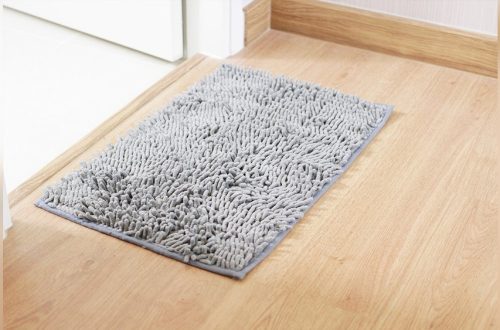
Is your bathroom rug looking dull or stained? Imagine giving it a fresh, vibrant color without buying a new one.
You can easily transform your rug and make your bathroom feel brand new. In this guide, you’ll discover simple steps to dye your bathroom rug at home. No complicated tools or skills needed—just a little effort and the right tips.
Ready to bring life back to your rug and refresh your space? Keep reading, and you’ll learn exactly how to do it yourself.
Choosing The Right Rug
Choosing the right rug for your bathroom is key before dyeing it. The right rug makes the dyeing process easier and the result better. Pay attention to the rug’s material, size, and color. These factors affect how the dye looks and lasts. Picking the best rug helps you get vibrant colors and a fresh look.
Material Matters
The material of the rug affects how well it absorbs dye. Cotton rugs soak up dye easily and show bright colors. Synthetic rugs like polyester or nylon may not absorb dye well. Wool rugs take dye nicely but need careful handling. Choose natural fibers for the best dye results.
Size And Shape
Size matters for even dyeing. Small rugs dry faster and are easier to dye. Large rugs need more dye and take longer to dry. The shape affects how you dye it too. Square or rectangular rugs are easier to handle. Odd shapes might need extra care.
Color Considerations
Start with a light-colored rug for clearer dye colors. Dark rugs may hide new dye or change its color. White or beige rugs show the true shade after dyeing. Avoid rugs with patterns that might mix with the new color. A plain, light rug gives the best results.
Selecting The Dye
Selecting the right dye is the first step to dyeing your bathroom rug successfully. The choice affects how the color looks and lasts. It also depends on the rug’s material and your safety. Knowing the types of dyes, color options, and safety rules helps you pick the best dye.
Types Of Fabric Dyes
Different dyes work best for different fabrics. Fiber-reactive dyes suit cotton and natural fibers well. They create bright, lasting colors. Acid dyes work for wool or silk rugs. All-purpose dyes can color many fabrics but may fade faster. Check your rug’s label to find its material. Choose a dye that matches it for the best result.
Color Options
Colors come in many shades and tones. Dark colors hide stains better and last longer. Light colors can brighten up your bathroom space. Think about the room’s style and other colors. Pick a dye color that fits your bathroom’s look. Test a small rug corner to see the color before dyeing the whole rug.
Safety Tips
Wear gloves to protect your skin from stains and chemicals. Work in a well-ventilated area to avoid inhaling fumes. Cover surfaces to prevent accidental dye spills. Follow the dye package instructions carefully. Keep children and pets away during the dyeing process. Clean up tools and spills right after use.
Preparing The Rug
Preparing your bathroom rug before dyeing is very important. It helps the dye stick evenly and last longer. Taking the right steps ensures a smooth dyeing process and a vibrant result.
Cleaning The Rug
Start by washing your rug thoroughly. Remove dirt, dust, and oils that block the dye. Use a mild detergent and warm water. Rinse well to avoid soap residue. Let the rug dry completely before dyeing.
Protecting Your Workspace
Cover the area where you will work. Use old newspapers or plastic sheets. This stops dye stains on floors or furniture. Wear gloves and old clothes to protect your skin and clothing. Prepare everything before you start dyeing.
Gathering Supplies
Collect all necessary materials before beginning. You will need fabric dye, a large container for soaking, stirring tools, and gloves. Have a measuring cup and salt or vinegar if your dye requires it. Being ready makes the process easier and faster.
Dyeing Techniques
Dyeing a bathroom rug can refresh its look and brighten your space. Choosing the right dyeing technique changes the final style. Some methods give even color, while others create fun patterns. Each technique fits different types of rugs and dyes.
Immersion Dyeing
Immersion dyeing means soaking the rug in dye liquid. This method gives a solid, even color all over the rug. It works well for rugs made of cotton or other natural fibers. The rug absorbs the dye fully when it stays in the liquid for some time.
Use a large container to hold enough dye solution. Stir the rug gently to avoid spots or streaks. After dyeing, rinse the rug with cold water to remove extra dye. Let it dry flat to keep its shape.
Spray Dyeing
Spray dyeing uses a spray bottle to apply color on the rug. This technique creates soft, faded effects or color gradients. It works best on rugs with short fibers that absorb dye quickly.
Start with a light base color if you want layers of color. Spray from different angles for an even look. Use gloves and cover surfaces to avoid stains. Let each layer dry before adding another color.
Tie-dye Effects
Tie-dyeing makes unique patterns by tying parts of the rug. This stops dye from reaching some areas, creating interesting shapes. Use rubber bands or string to tie sections tightly before dyeing.
Dip the rug in dye or spray colors on it. Different ties and colors make different designs. After dyeing, untie and rinse the rug carefully. Dry it flat to keep the pattern clear.
Setting The Dye
Setting the dye is an important step in dyeing a bathroom rug. It makes the color last longer and keeps it from washing out. This process helps the fabric absorb the dye deeply. Proper setting makes your rug look fresh and vibrant for a long time.
Heat Setting Methods
Heat helps fix the dye into the rug fibers. You can use an iron or a dryer for this. If using an iron, set it to low heat. Place a cloth between the iron and rug. Press gently for a few minutes. For a dryer, put the rug inside on high heat. Run it for 30 to 60 minutes. Heat makes the dye bond with the fabric well.
Fixatives To Use
Fixatives help keep the color strong. Use a dye fixative or vinegar solution. Mix one part vinegar with four parts water. Soak the rug in this mix for 30 minutes. Rinse it lightly after soaking. Fixatives make the dye stick better and prevent fading. They are simple and safe to use at home.
Drying Tips
Dry the rug in a warm, shaded area. Avoid direct sunlight to stop colors from fading. Hang the rug or lay it flat. Make sure it dries completely before use. Proper drying keeps the dye stable and the rug soft. Patience here pays off with lasting color and quality.
Aftercare For Dyed Rugs
Taking care of a dyed bathroom rug helps keep its color bright and fresh. Proper aftercare extends the rug’s life and keeps it looking new. Small steps in cleaning and maintenance make a big difference. Follow simple rules to enjoy your colorful rug longer.
Washing Instructions
Use cold water to wash dyed rugs. Hot water can cause colors to fade or bleed. Choose a mild detergent made for colors. Avoid bleach or strong chemicals. Hand washing is best, but if using a machine, pick a gentle cycle. Let the rug air dry to avoid shrinkage or damage.
Maintaining Vibrant Colors
Keep your rug out of direct sunlight. Sunlight fades colors over time. Rotate the rug regularly to prevent uneven wear. Vacuum gently to remove dust and dirt. Avoid harsh scrubbing, which can remove dye. Use color-safe sprays or treatments to protect the fabric if needed.
Handling Stains
Blot stains quickly with a clean cloth. Do not rub or scrub the stain. Use a mild soap solution to treat spots. Test any cleaner on a small, hidden area first. Rinse the area with cold water and blot dry. Repeat if necessary but avoid over-wetting the rug.
Troubleshooting Common Issues
Dyeing a bathroom rug can brighten your space. Sometimes, problems happen during dyeing. These issues can be easy to fix with the right tips. This section helps you solve common dyeing problems. It guides you to get the best color results.
Uneven Color
Uneven color happens when dye does not spread well. It may look patchy or blotchy. This happens if the rug is not wet evenly. Make sure to soak the rug before dyeing. Stir the dye bath often to keep color even. Avoid folding the rug during dyeing. Spread it out flat for best results.
Fading Problems
Fading shows when color becomes dull or light. It can happen after washing the rug. Use color-safe detergents to keep dye strong. Avoid hot water when rinsing the rug. Hot water can wash away the color faster. Dry the rug away from direct sunlight. Sunlight can cause colors to fade quickly.
Color Bleeding
Color bleeding occurs when dye runs onto other surfaces. It can stain floors or towels. Rinse the rug well in cold water after dyeing. This removes excess dye that can bleed later. Wash the rug separately from other items. Use cold water and gentle cycles to prevent bleeding. Test a small area first before full dyeing.
Frequently Asked Questions
How Do I Prepare A Bathroom Rug For Dyeing?
Clean the rug thoroughly to remove dirt and oils. Dry it completely before dyeing. This ensures even dye absorption and vibrant colors.
What Type Of Dye Is Best For Bathroom Rugs?
Use fiber-reactive dyes for cotton or natural fibers. For synthetic rugs, opt for disperse or fabric-specific dyes. Choose based on rug material.
Can I Dye A Bathroom Rug At Home Safely?
Yes, with proper ventilation and protective gloves. Follow dye instructions carefully. Use a plastic tub or bucket to avoid stains on surfaces.
How Long Should I Soak A Bathroom Rug In Dye?
Soak the rug for 30 to 60 minutes. Check color intensity regularly to avoid over-dyeing. Rinse until water runs clear after dyeing.
Conclusion
Dyeing a bathroom rug can refresh your space quickly and cheaply. Choose the right dye and prepare the rug well. Follow safety steps and dye evenly for the best results. Let the rug dry completely before use. Small effort brings big change to your bathroom decor.
Try this simple project to add color and style today.