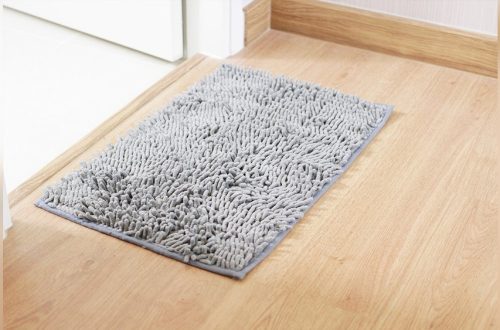
Is your bathroom rug suddenly becoming your cat’s favorite spot for pee? You’re not alone, and it can be really frustrating.
You might be wondering why your furry friend is acting this way and what you can do to stop it. Understanding the reasons behind this behavior is the first step to fixing the problem—and keeping your bathroom clean. You’ll discover the common causes and simple solutions to help you and your cat live happily without the mess.
Keep reading to find out what’s really going on and how to put an end to this frustrating habit.
Common Reasons For Bathroom Rug Peeing
Cats peeing on bathroom rugs can confuse many pet owners. Understanding why your cat chooses this spot helps solve the problem. Several common reasons explain this behavior. Knowing these causes can guide you to the right solution.
Medical Issues
Health problems often cause cats to urinate outside the litter box. Urinary tract infections, bladder stones, or kidney issues can make peeing painful. Your cat might associate the litter box with pain and avoid it. A vet visit helps rule out or treat medical problems quickly.
Stress And Anxiety
Cats feel stress from changes in their environment. New pets, moving homes, or loud noises can cause anxiety. Stress may lead cats to pee on bathroom rugs. This act comforts them or marks a safe place. Creating a calm space reduces stress-related accidents.
Territorial Marking
Cats mark territory to show ownership. Peeing on rugs can signal to other pets or animals. This behavior is common in unneutered cats but can happen in all cats. Spraying or peeing outside the box shows they feel threatened or insecure.
Litter Box Problems
Dirty or small litter boxes discourage cats from using them. Cats dislike strong smells or uncomfortable litter. A poorly placed litter box or one with hard-to-clean litter may cause accidents. Clean, roomy, and quiet litter boxes encourage proper use.
Attraction To Bathroom Rugs
Bathroom rugs often have a soft texture that cats like. They absorb moisture, so the smell of urine might attract cats. Some rugs retain warmth, making them cozy spots. The scent and comfort make bathroom rugs a tempting place to pee.
Identifying Medical Causes
When a cat starts peeing on the bathroom rug, medical problems might be the cause. Cats cannot tell us when they feel pain or discomfort. Watching for signs helps catch health issues early.
Identifying medical causes is important to protect your cat’s health. Some illnesses make it hard or painful for cats to use the litter box. They may choose the rug instead.
Urinary Tract Infections
Urinary tract infections (UTIs) are common in cats. They cause pain and a strong urge to urinate. The cat may not reach the litter box in time.
Signs include frequent trips to the box and straining. Urine may look cloudy or have blood. UTIs need prompt treatment from a vet.
Kidney Problems
Kidney problems affect how cats process waste. Sick kidneys cannot filter blood well. This causes increased thirst and more urination.
A cat with kidney disease may pee outside the box. This happens because the cat urinates more often. Kidney issues need veterinary care to manage symptoms.
Diabetes
Diabetes in cats causes high blood sugar levels. It makes cats drink and urinate a lot. Increased urination can lead to accidents on rugs.
Look for weight loss and excessive hunger too. Diabetes requires treatment to avoid serious health risks. Monitoring your cat’s bathroom habits helps catch diabetes early.
Other Health Concerns
Other health problems can cause bathroom rug accidents. Bladder stones, arthritis, and nerve issues affect urination. Pain or difficulty moving may stop a cat from reaching the box.
Stress or anxiety might also cause unusual urination. A vet checkup is important to find the exact cause. Early diagnosis improves treatment success.
Behavioral Factors Behind Peeing
Cats pee on bathroom rugs for many behavioral reasons. These actions often show stress or discomfort. Understanding these factors helps solve the problem. Cats use urination to communicate feelings or changes.
Changes In Environment
Moving furniture or redecorating can upset your cat. Cats like stable and familiar spaces. New smells or sounds can cause anxiety. This stress may lead to urinating outside the litter box. Small changes can feel big to a cat.
New Pets Or Family Members
Introducing new pets or people can confuse your cat. Cats may feel threatened or jealous. They might mark territory with urine. This helps them feel safer in their space. Adjustments take time for cats to accept.
Litter Box Aversion
Your cat may avoid the litter box for many reasons. A dirty box is a common issue. Cats dislike strong smells or uncomfortable litter. The box location might be noisy or hard to reach. They choose the bathroom rug as an alternative.
Seeking Attention
Cats learn that peeing outside gets a reaction. They may feel ignored or lonely. Urinating on the rug can bring you closer. Cats want your focus, even if it’s negative. Giving attention helps them feel secure and loved.
Improving Litter Box Habits
Improving your cat’s litter box habits can reduce accidents like peeing on the bathroom rug. Cats need a clean, comfortable place to do their business. Adjusting a few things about the litter box setup helps your cat feel safe and willing to use it. Small changes can make a big difference in your cat’s behavior and your home’s cleanliness.
Choosing The Right Litter
Select litter that your cat likes. Many cats prefer fine, unscented clumping litter. Avoid strong smells that can scare your cat away. Test different types to see which one your cat uses best.
Cleaning Frequency
Clean the litter box daily. Remove waste and clumps to keep the box fresh. Cats dislike dirty litter boxes and may find other places to pee. Regular cleaning encourages your cat to use the box every time.
Litter Box Location
Place the litter box in a quiet, private area. Avoid noisy or busy spots. Make sure the box is easy to reach but not near their food or water bowls. A peaceful location helps your cat feel secure.
Number Of Litter Boxes
Provide enough litter boxes for your cats. The rule is one box per cat plus one extra. More boxes mean fewer fights and less stress. This reduces the chance your cat will pee outside the box.
Managing Stress And Anxiety
Stress and anxiety can cause cats to pee outside their litter box. The bathroom rug may seem like a safe spot for them. Managing your cat’s stress helps stop this behavior. Calm cats are less likely to mark their territory with urine. Understanding how to reduce stress is key to a peaceful home.
Creating A Calm Environment
Keep your home quiet and peaceful. Loud noises and sudden changes can scare cats. Provide safe hiding places where your cat feels secure. Soft lighting and cozy beds help your cat relax. Clean the litter box often to avoid stress.
Using Calming Products
Try calming sprays or diffusers made for cats. These products release scents that soothe your cat’s nerves. Use calming collars that help reduce anxiety. Natural supplements may also support your cat’s calmness. Always follow product instructions carefully.
Routine And Playtime
Keep a daily routine for feeding and play. Cats feel safe with regular schedules. Playtime helps release energy and reduce stress. Use toys that mimic hunting to keep your cat busy. Spend quiet time petting your cat gently.
Professional Help
Consult a vet if your cat keeps peeing on rugs. They can check for health problems causing stress. A vet may suggest behavior therapy or medicine. Animal behaviorists offer advice on managing anxiety. Early help improves your cat’s happiness and health.
Cleaning And Preventing Rug Accidents
Cleaning and preventing rug accidents is key to keeping your bathroom fresh and your cat happy. Urine smells attract cats back to the same spot. Thorough cleaning removes these smells and stops repeat accidents. Taking steps to discourage your cat helps protect your rugs and floor. Sometimes, removing the rug is the best choice to avoid problems.
Effective Cleaning Methods
Start by blotting the wet area with paper towels. Avoid rubbing, which spreads the urine. Use cold water to rinse the spot gently. Soap and water help remove dirt and urine. Let the rug dry completely in sunlight if possible. Sunlight kills bacteria and removes odors naturally.
Using Enzyme Cleaners
Enzyme cleaners break down urine proteins and bacteria. Spray the cleaner generously on the stained area. Let it sit for at least 10 minutes. Repeat if the smell remains. Enzyme cleaners stop cats from smelling their own urine. This prevents them from peeing there again.
Discouraging Return Visits
Place a litter box near the bathroom rug. Clean the litter box daily to keep it inviting. Use scents cats dislike, like citrus, around the rug. Offer your cat plenty of attention and playtime. Stress and boredom can cause accidents. Make the bathroom less attractive to your cat.
Replacing Or Removing Rugs
Old rugs may hold odors deep inside. If cleaning fails, consider removing the rug. Choose washable rugs for easier cleaning in the future. Avoid rugs in areas your cat targets. A bare floor is easier to clean and less inviting. Protect your home by choosing the right floor coverings.
Frequently Asked Questions
Why Is My Cat Peeing On The Bathroom Rug?
Cats may pee on bathroom rugs due to stress, medical issues, or litter box problems. Rugs often retain scents, attracting cats to urinate there repeatedly.
How Can I Stop My Cat From Peeing On Rugs?
Clean rugs thoroughly with enzyme cleaners and provide a clean, accessible litter box. Reduce stress and visit a vet to rule out health problems.
Could A Health Issue Cause My Cat’s Rug Peeing?
Yes, urinary tract infections or bladder problems can cause inappropriate urination. A vet checkup is essential to diagnose and treat any medical conditions promptly.
Does Litter Box Cleanliness Affect My Cat’s Behavior?
Absolutely. Cats prefer a clean litter box. Dirty or smelly boxes often cause cats to find alternative spots like rugs for urination.
Conclusion
Cats peeing on bathroom rugs can be frustrating and confusing. Often, it signals health issues or stress. Check your cat’s litter box cleanliness and location first. Pay attention to any behavior changes. Visiting a vet helps rule out medical problems.
Creating a calm space and keeping routines steady can help. Understanding your cat’s needs improves their comfort. Patience and care will guide you through this challenge. Your cat can feel safe and happy again. Keep observing and acting with kindness.