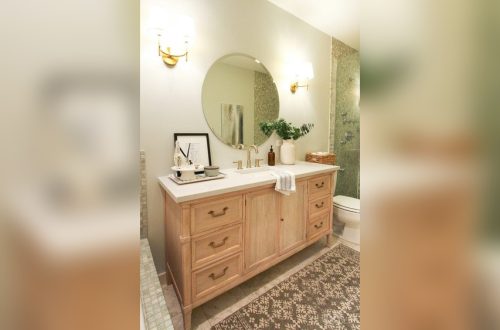
Have you ever walked into your bathroom only to find your cat has peed on your bathroom rug? It’s frustrating, confusing, and honestly, a little gross.
You wonder why your furry friend would choose such an odd spot. Is it a sign of a health problem? Or maybe a behavior issue? Understanding why your cat does this can save you stress and help protect your home.
Keep reading, and you’ll discover the surprising reasons behind this behavior—and what you can do to stop it for good.
Common Reasons Cats Pee On Bathroom Rugs
Cats peeing on bathroom rugs is a common problem many pet owners face. This behavior can be confusing and frustrating. Understanding the reasons behind it helps find the right solution. Several factors cause cats to choose bathroom rugs as their bathroom spot.
Medical Issues To Consider
Health problems often cause cats to urinate outside the litter box. Urinary tract infections can cause pain and urgency. Kidney disease or diabetes may increase urine output. Cats might not reach the litter box in time. A vet visit can rule out these medical issues.
Stress And Anxiety Triggers
Stress affects a cat’s bathroom habits. Changes in the home or routine can cause anxiety. New pets or visitors may make cats uneasy. Loud noises or moving to a new house also cause stress. Cats may pee on rugs to feel more secure.
Territorial Marking Behavior
Cats mark their territory by urinating in certain spots. Bathroom rugs often have strong smells that attract cats. Marking helps cats feel safe and in control. This behavior is common in unneutered males but can occur in all cats. Recognizing marking helps address the issue properly.
Litter Box Problems
Dirty or small litter boxes discourage cats from using them. Cats dislike strong scents or the type of litter used. A box placed in a noisy or hard-to-reach spot can be a problem. Multiple cats need multiple litter boxes. Fixing these issues often stops rug peeing.
Signs Your Cat Has Urinary Problems
Cats often hide their pain well. Urinary problems can cause your cat to pee outside the litter box. Spotting signs early helps your cat get the care it needs. Watch your cat closely for unusual behaviors or symptoms.
Changes In Urination Habits
Your cat may urinate more often than usual. Or your cat might strain to pee or cry out while urinating. Sometimes, your cat pees in small amounts each time. You may find urine spots in strange places, like the bathroom rug. These changes often signal discomfort or a blockage in the urinary tract.
Physical Symptoms To Watch For
Look for redness or swelling near your cat’s genitals. Your cat might lick the area more than normal. Your cat may also seem restless or hide more than usual. Vomiting or loss of appetite can happen alongside urinary issues. These signs show your cat is not feeling well and needs help.
How Bathroom Rugs Attract Cats
Cats often choose bathroom rugs as their favorite spot for peeing. These rugs have qualities that attract cats strongly. Understanding these factors helps solve the problem.
The texture and smell of bathroom rugs play a big role. The warmth and comfort also make them appealing for cats. Let’s explore these reasons in detail.
Texture And Smell Factors
Cats like soft and fluffy surfaces. Bathroom rugs offer a texture that feels good under their paws. This softness encourages cats to stay longer on the rug.
Smell is very important to cats. Bathroom rugs often hold scents from soap, human skin, or even previous accidents. These smells can attract cats to mark the area again.
The combination of texture and familiar smells makes bathroom rugs a tempting place for cats to pee.
Warmth And Comfort Appeal
Bathroom rugs provide warmth, especially on cold tiles. Cats seek warm spots to rest and relax. The rug’s warmth makes it a cozy place for them.
The comfort of the rug can feel like a safe, soft bed. Cats like to feel secure while they pee. This comfort encourages repeated visits to the rug.
Warmth and comfort make bathroom rugs a favorite spot for cats to relieve themselves.
Preventing Bathroom Rug Accidents
Preventing bathroom rug accidents is important for a clean and happy home. Cats often pee outside their litter box due to simple issues. Fixing these problems stops accidents before they start. Focus on improving the litter box, managing stress, and using deterrents wisely. These steps help your cat feel safe and comfortable.
Improving Litter Box Setup
Make sure the litter box is clean and easy to find. Scoop it every day and wash it weekly. Use a litter your cat likes and keep the box in a quiet place. Try having more than one box if you have many cats. A good litter box setup encourages your cat to use it regularly.
Managing Stress And Environment
Stress can cause your cat to pee on rugs. Loud noises, new pets, or changes at home upset cats. Keep a calm and safe space for your cat. Play with your cat and give gentle attention. A relaxed cat is less likely to have accidents.
Using Deterrents Effectively
Deterrents help keep cats off the bathroom rug. Use scents cats dislike, like citrus or vinegar. Place aluminum foil or plastic mats on the rug. These textures feel strange to cats. Deterrents guide cats away without harm.
Cleaning Up Cat Urine Properly
Cleaning up cat urine properly is very important. It stops the smell from coming back. It helps keep your bathroom rug fresh and clean. Proper cleaning also stops your cat from peeing in the same spot again.
Cat urine can soak deep into rugs. You need to clean it well to remove all traces. Quick and careful cleaning protects your home from bad odors. It also keeps your rug in good shape.
Removing Odors Completely
First, blot the urine with paper towels. Do not rub, or the stain spreads. Use cold water to dampen the area. Then, apply an enzyme cleaner made for pet urine. These cleaners break down odor molecules. Let the cleaner sit for 10 to 15 minutes.
After that, blot the area again to remove excess liquid. Avoid using ammonia or bleach, as they can make smells worse. Air dry the rug outside if possible. Sunlight helps kill bacteria and freshen the rug.
Safe Cleaning Products For Rugs
Choose cleaners labeled safe for carpets and rugs. Enzyme-based cleaners are the best choice. They remove both stains and odors fully. Avoid harsh chemicals that can damage fibers or colors.
Test any cleaner on a small rug area first. Make sure it does not cause fading or damage. Use natural options like vinegar and baking soda for light stains. Mix one part vinegar with three parts water. Sprinkle baking soda over the damp area after vinegar.
Let it dry, then vacuum the rug well. These home remedies help reduce odors without chemicals. Always keep cleaning products out of your cat’s reach.
When To Consult A Veterinarian
Knowing when to consult a veterinarian is key if your cat pees on your bathroom rug. This behavior can point to health or stress issues. Early help can protect your cat’s health and keep your home clean.
Identifying Urinary Tract Infections
Urinary tract infections (UTIs) are common in cats. Cats with UTIs often pee outside their litter box. They may strain or cry while urinating. The urine might smell strong or look cloudy. A vet can test urine to find infection. Treating UTIs early stops pain and further issues.
Behavioral Consultations
Sometimes, peeing on the rug is a sign of stress. Changes in the home or new pets can cause anxiety. Cats might also avoid the litter box if it is dirty. A vet or animal behaviorist can help find the cause. They offer advice to reduce stress and improve behavior.
Frequently Asked Questions
Why Does My Cat Pee On The Bathroom Rug?
Cats may pee on bathroom rugs due to stress, marking territory, or medical issues. Rugs also retain scents, attracting repeated urination. Ensure your cat’s litter box is clean, accessible, and visit a vet to rule out infections or health problems.
How Can I Stop My Cat From Peeing On Rugs?
Clean rugs with enzyme-based cleaners to remove odors. Provide multiple clean litter boxes in quiet areas. Reduce stress by maintaining a calm environment and engaging your cat with play and affection. Consult a vet if the problem persists.
Could My Cat Have A Urinary Tract Infection?
Yes, urinary tract infections are common causes of inappropriate urination in cats. Symptoms include frequent urination, straining, and accidents outside the litter box. Visit a veterinarian promptly for diagnosis and treatment to prevent complications.
Does Litter Box Cleanliness Affect Rug Peeing Behavior?
Absolutely. Cats avoid dirty litter boxes and may urinate elsewhere, like rugs. Clean the litter box daily and scoop waste regularly to encourage proper use. This simple step often resolves unwanted rug urination.
Conclusion
Cats pee on bathroom rugs for many reasons. Stress, health problems, or a dirty litter box can cause this. Watch your cat’s behavior and keep their space clean. Visit a vet to rule out medical issues. Give your cat attention and comfort to reduce stress.
Changing the rug or cleaning it well helps too. Understanding your cat’s needs can stop this problem. Patience and care go a long way in fixing this issue. Your cat can feel happy and safe again.