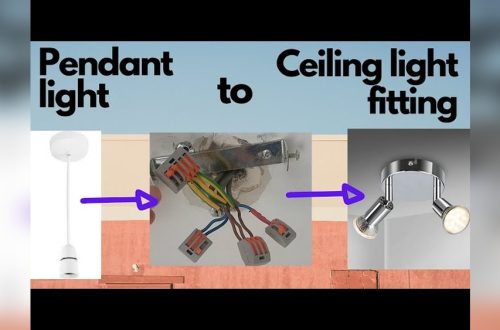
Are you ready to give your room a fresh, stylish look? Changing your ceiling light to a pendant light is one of the easiest ways to transform your space.
Imagine a beautiful pendant light adding charm and personality to your home, making it feel cozy and inviting. You might think it’s complicated or expensive, but with the right steps, you can do it yourself quickly and safely. Keep reading, and you’ll discover simple tips that will guide you through the process from start to finish.
Your perfect new light is just a few easy steps away!
Tools And Materials Needed
Changing a ceiling light to a pendant light needs the right tools and materials. Proper preparation helps the job go smoothly and safely. Gather everything before starting to avoid delays or frustration.
Essential Tools
You need a few basic tools for this project. A screwdriver, both flathead and Phillips, will help remove the old fixture. A voltage tester checks if the power is off to avoid shocks. Wire strippers prepare the wires for connection. Pliers assist in twisting wires together. A ladder or step stool helps reach the ceiling safely.
Choosing The Right Pendant Light
Pick a pendant light that fits your room size and style. Consider the height of the ceiling and the light’s drop length. The pendant’s weight matters; check if your ceiling can support it. Choose energy-efficient bulbs to save electricity. Match the fixture’s color and design with your room decor for a seamless look.
Safety Gear
Safety is crucial during electrical work. Wear insulated gloves to protect against electric shocks. Safety glasses prevent dust or debris from entering your eyes. Use a sturdy ladder that won’t wobble. Turn off the power at the circuit breaker before starting. Double-check power is off with a tester to stay safe.
Preparing For The Switch
Preparing to change your ceiling light to a pendant light takes careful steps. Proper preparation helps keep the process safe and smooth. It makes sure your new light fits well and works properly. Follow each step to get ready for the switch.
Turning Off Power
Always start by turning off the power to the light fixture. This stops any chance of electric shock. Find the right switch in your circuit breaker box. Flip it off to cut the power. Use a voltage tester to check if the wires are dead. Safety first.
Removing The Existing Ceiling Light
Remove the old light carefully. Start by unscrewing the light bulbs and any covers. Then, unscrew the fixture from the ceiling box. Gently pull the fixture down to see the wiring. Note how the wires connect before disconnecting them. Keep screws and parts in a safe place.
Inspecting Wiring And Fixture Box
Look closely at the wiring and the fixture box. Check for any damage or loose wires. Make sure the fixture box is strong enough to hold the new pendant light. Tighten any loose screws. Replace damaged parts. Good wiring and a secure box are key for a safe light.
Installing The Pendant Light
Installing the pendant light is an exciting step. It transforms your room’s look and feel instantly. This part involves three main tasks. First, you assemble the pendant fixture. Next, you wire the new light. Last, you mount the pendant securely. Follow these steps carefully for a safe and stylish result.
Assembling The Pendant Fixture
Start by unpacking all parts of your pendant light. Check for screws, rods, and the shade. Follow the instructions included with the fixture. Attach the rods or chains to the light base. Secure the shade or bulb holder. Tighten all screws firmly but gently. Make sure the fixture looks complete and stable.
Wiring The New Light
Turn off power at the circuit breaker. Use a voltage tester to confirm no electricity flows. Connect the pendant’s wires to the ceiling wires. Usually, black wires match black, white to white, and green or copper to ground. Twist wires together and secure with wire nuts. Wrap electrical tape around the nuts for safety. Tuck wires neatly into the ceiling box.
Mounting The Pendant
Attach the mounting bracket to the ceiling box. Align the pendant’s canopy with the bracket. Lift the fixture carefully and secure it with screws. Adjust the length of the pendant if needed. Check that the fixture hangs straight and firm. Restore power and test the light switch to confirm operation.
Adjusting Height And Position
Adjusting the height and position of your new pendant light is key for both style and function. The right drop length changes the room’s feel. It also ensures proper lighting for your space. A well-placed pendant light looks balanced and brightens the area effectively.
Focus on two main steps: measuring the drop length and securing the cord or chain. These help you set the perfect height and keep the light steady. Let’s explore how to do this.
Measuring Drop Length
Start by deciding how low the pendant should hang. Measure from the ceiling to the spot where you want the light to sit. For dining tables, 28 to 34 inches above the surface works well. For open areas, 7 feet from the floor is a good guide. Use a tape measure for accuracy.
Keep in mind the room size and ceiling height. Adjust the length so the light does not block sightlines. It should also avoid hitting heads. Mark the desired length on the cord or chain before cutting or adjusting.
Securing The Cord Or Chain
Once the length is set, secure the cord or chain to hold the light in place. Use the fixture’s built-in locking mechanism or add a cable grip. This prevents the pendant from sliding or swinging. Check that the cord is tight but not stressed.
Use electrical tape or wire clips to keep excess cord tidy. Make sure the pendant hangs straight and stable. Test by gently pushing the fixture to see if it moves. A firm hold ensures safety and a polished look.
Final Checks And Testing
After installing your new pendant light, final checks and testing are crucial. These steps ensure the light works safely and properly. Taking time now prevents problems later. Follow simple instructions to restore power, test the light, and fix common issues.
Restoring Power Safely
First, turn the power back on at the circuit breaker. Make sure no wires are exposed. Use a voltage tester to confirm power is off before touching wires. Once all connections are secure, switch the breaker on. Avoid rushing this step to stay safe.
Testing The Light
Turn the light switch on slowly. Check if the pendant light turns on. Watch for flickering or dimming. Test any dimmer switches if installed. Ensure the light fixture hangs straight and feels stable. A quick test shows if everything is correct.
Troubleshooting Common Issues
If the light doesn’t work, check the bulb. Make sure it fits the socket type. Confirm all wire connections are tight. Look for loose or disconnected wires. If the breaker trips, switch it off and inspect wiring again. Replace faulty bulbs or parts as needed.
Tips For Stylish Pendant Lighting
Choosing the right pendant light can change the look of any room. A stylish pendant light adds personality and brightens the space. Small details make a big difference in how the light fits into your room. Follow these simple tips to create a beautiful and functional lighting setup.
Choosing Bulbs
Pick bulbs that match the style of your pendant light. Soft white bulbs give a warm, cozy feel. Bright white bulbs create a fresh, clean look. Consider bulbs with a dimming feature for more control. LED bulbs save energy and last longer. The shape and size of the bulb also affect the light’s style.
Complementing Room Decor
Match the pendant light with your room’s theme and colors. A modern pendant fits well in minimalist spaces. Classic designs suit traditional rooms better. Use the pendant light as a focal point or blend it with other decor. Pay attention to the size of the pendant; it should not overpower the room. Balance is key for a stylish look.
Maintenance And Cleaning
Keep your pendant light clean for the best appearance. Dust the fixture regularly with a soft cloth. Avoid harsh chemicals that can damage the finish. Check the bulbs and wiring for safety every few months. Cleaning keeps the light bright and extends its life. Simple care helps maintain style and function.
Frequently Asked Questions
How Do I Safely Remove A Ceiling Light Fixture?
Turn off the power at the circuit breaker first. Use a voltage tester to confirm no electricity flows. Unscrew the fixture carefully and disconnect the wires. Always follow safety guidelines to avoid electric shock or injury.
What Tools Are Needed To Install A Pendant Light?
You will need a screwdriver, wire stripper, voltage tester, pliers, and a ladder. These tools help safely remove the old light and install the new pendant fixture securely.
Can I Replace A Ceiling Light With A Pendant Light Myself?
Yes, if you have basic electrical knowledge and follow safety steps. Turn off power, remove the old fixture, connect wires correctly, and mount the pendant light. Otherwise, hire a professional electrician.
How To Choose The Right Height For A Pendant Light?
Typically, hang the pendant 28 to 34 inches above tables or countertops. For general room lighting, 7 feet from the floor works well. Adjust height to fit your space and avoid glare.
Conclusion
Changing a ceiling light to a pendant light is simple and rewarding. You only need a few tools and basic knowledge. Always turn off the power before starting work. Choose a pendant light that fits your room’s style and size.
Follow the steps carefully for a safe installation. Enjoy the new look and improved lighting in your space. Small changes can make a big difference in your home. Try this project to add charm and warmth easily.