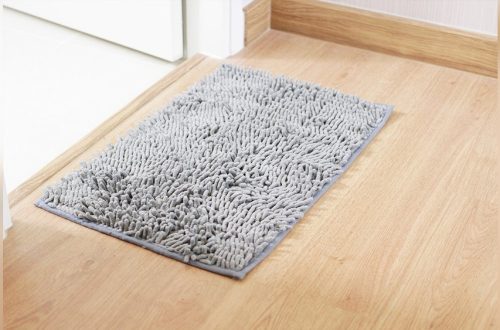
Choosing the right rug runner material for your bathroom is more important than you might think. Your bathroom rug needs to handle water, prevent slips, and still feel comfortable under your feet.
But with so many options out there, how do you know which one will work best for your space? You’ll discover the top materials that combine safety, durability, and style. By the end, you’ll be confident about picking the perfect rug runner that keeps your bathroom both beautiful and functional.
Keep reading to find out what works best for your needs!
Choosing Rug Runner Materials
Choosing the right material for a bathroom rug runner is important. The bathroom is a place with moisture and frequent foot traffic. The material needs to handle water and dry quickly. Comfort underfoot also matters. Selecting the right rug runner material helps keep the bathroom safe and cozy.
Focus on three key points: the type of fibers, water resistance, and texture. These factors influence how well the rug performs in a bathroom setting. Let’s explore these aspects one by one.
Natural Fibers Vs Synthetic Fibers
Natural fibers include cotton, jute, and wool. They feel soft and look good. Cotton absorbs water well but can take time to dry. Wool is warm but may shrink if wet. Jute is strong but can wear quickly in wet places.
Synthetic fibers like polyester, nylon, and polypropylene resist water better. They dry fast and often last longer. These fibers stay strong even with heavy use. Synthetic rug runners often cost less and handle bathroom conditions well.
Water Resistance And Durability
Water resistance is key in the bathroom. Materials that absorb less water dry faster. This stops mold and mildew growth. Synthetic fibers usually offer higher water resistance. Natural fibers tend to soak up water, which can cause damage over time.
Durability means the rug keeps its shape and color. A durable rug stands up to daily use and washing. Look for rug runners with tight weaves and strong fibers. This extends the life of your bathroom rug.
Texture And Comfort
Texture affects how the rug feels under your feet. Soft textures provide comfort and warmth. Natural fibers often feel gentle and cozy. Some synthetic options mimic this softness well.
Choose a texture that feels good to you. Avoid rough or scratchy materials in the bathroom. A comfortable rug runner makes stepping out of the shower pleasant. Consider thickness too. Thicker rugs add cushioning but must dry quickly.
Popular Rug Runner Materials For Bathrooms
Choosing the right material for a bathroom rug runner is key. The material affects comfort, safety, and durability. Some materials soak up water quickly, while others dry fast. Picking the right one keeps your bathroom neat and safe.
Here are some popular rug runner materials used in bathrooms. Each offers unique benefits for different needs and styles.
Cotton
Cotton is soft and absorbent. It dries fairly fast and feels nice underfoot. Cotton rugs are easy to wash and maintain. They add a cozy look to any bathroom. Cotton works well in low to medium traffic areas.
Polyester
Polyester rugs resist stains and dry quickly. They hold color well, keeping rugs bright over time. Polyester is lightweight and easy to clean. This material suits busy bathrooms with frequent use.
Nylon
Nylon is strong and durable. It resists mold and mildew better than many fabrics. Nylon rugs dry fast and keep their shape. They work well in bathrooms with high moisture levels.
Microfiber
Microfiber feels soft and plush. It absorbs water quickly and dries fast. This material traps dirt and dust easily. Microfiber rugs keep your bathroom floor clean and comfortable.
Bamboo And Other Natural Options
Bamboo rugs offer a natural, fresh look. Bamboo dries quickly and resists water damage. Other natural materials like jute add texture but may need extra care. These choices bring an eco-friendly touch to your bathroom.
Benefits Of Each Material
Choosing the right rug runner material for your bathroom matters a lot. Different materials offer unique benefits. These benefits impact safety, cleanliness, and comfort. Understanding these can help you pick the best option for your space.
Absorbency And Quick Drying
Bathroom rugs must absorb water quickly. Cotton and microfiber are good at soaking up water fast. They help keep your floor dry and safe. Synthetic materials like polyester dry faster. Faster drying rugs reduce the chance of wet floors and slips.
Slip Resistance
Slip resistance is very important in bathrooms. Rubber-backed rug runners stay firmly in place. They prevent accidents from slipping. Materials with a textured bottom also add grip. Choosing a rug with a non-slip base keeps everyone safe.
Ease Of Cleaning
Bathroom rugs get dirty often. Materials like polyester and nylon clean easily. They resist stains and dry quickly after washing. Cotton rugs can hold dirt but clean well in machines. Easy cleaning keeps your bathroom fresh and neat.
Mold And Mildew Resistance
Bathrooms are moist, which can cause mold. Synthetic rugs resist mold and mildew better than natural fibers. Materials like polypropylene dry fast and stay fresh. Choosing mold-resistant rugs protects your health and home.
Considerations For Bathroom Rug Runners
Choosing the right rug runner material for your bathroom involves more than just picking a pretty design. Consider how the rug fits the space, matches your style, and handles daily use. Bathrooms have unique needs. Moisture, frequent cleaning, and safety all matter.
Size And Shape
Measure the space where the rug will go. A runner that is too long or too short can look awkward. Narrow bathrooms suit slim runners. Wider spaces may need wider rugs. Leave some floor visible around edges for balance.
Color And Style Choices
Pick colors that brighten the room or match your bathroom theme. Light colors can make small bathrooms feel larger. Patterns can hide dirt and water spots. Choose simple designs for a clean look. Avoid dark colors that may show lint or soap scum.
Placement And Usage
Place rug runners where feet stand most, like in front of sinks or tubs. Make sure the rug stays in place to prevent slips. Non-slip backing or rug pads help. Choose materials that dry quickly to avoid mold. Think about ease of cleaning and durability.
Maintenance Tips For Bathroom Rug Runners
Bathroom rug runners need regular care to stay fresh and last longer. Moisture and dirt build-up can damage the material fast. Proper maintenance keeps rugs clean, safe, and looking good. Follow these tips to protect your bathroom rug runner every day.
Washing And Drying Guidelines
Check the rug’s label for washing instructions. Use cold water and mild detergent for cleaning. Avoid bleach or harsh chemicals that weaken fibers. Hand wash or use a gentle machine cycle. Rinse thoroughly to remove all soap.
Dry the rug runner flat or hang it in a ventilated area. Avoid direct sunlight to prevent fading. Do not use high heat in the dryer. Let the rug dry completely before placing it back in the bathroom.
Preventing Mold And Mildew
Keep the bathroom well-ventilated to reduce humidity. Use a fan or open windows during and after showers. Shake out the rug often to remove moisture and dirt. Avoid leaving the rug wet on the floor for long.
Use rugs made from quick-drying materials like cotton or synthetic fibers. Regular cleaning stops mold spores from growing. Consider sprinkling baking soda on the rug and vacuuming it to absorb odors and moisture.
Extending Rug Runner Lifespan
Rotate the rug runner regularly to spread wear evenly. Use a non-slip pad underneath to prevent slipping and damage. Remove stains quickly to avoid permanent marks. Avoid using harsh scrubbing tools that break fibers.
Store the rug runner in a dry place if not in use. Keep the bathroom floor clean to reduce dirt transfer. Following these simple steps helps keep your rug runner soft and durable for years.
Frequently Asked Questions
What Is The Best Rug Runner Material For Bathrooms?
The best rug runner materials for bathrooms are water-resistant and non-slip. Popular choices include cotton, microfiber, and bamboo. These materials dry quickly and prevent mold or mildew buildup, ensuring safety and durability in humid bathroom environments.
Are Cotton Rug Runners Suitable For Bathroom Use?
Yes, cotton rug runners are highly absorbent and soft. They dry relatively fast and are easy to clean. Cotton is breathable, which helps reduce mold growth, making it an excellent material for bathroom runners.
How Do Synthetic Rug Runners Perform In Bathrooms?
Synthetic materials like polyester or nylon resist moisture and dry quickly. They are durable, stain-resistant, and easy to maintain. Synthetic rug runners often have non-slip backing, enhancing bathroom safety and longevity.
Can Bamboo Rug Runners Be Used In Bathrooms?
Bamboo rug runners are naturally water-resistant and eco-friendly. They dry quickly and resist mold better than fabric runners. Bamboo adds a stylish, natural look while being practical for bathroom use.
Conclusion
Choosing the right rug runner material keeps your bathroom safe and dry. Natural fibers like cotton feel soft but may need extra care. Synthetic options resist water and dry quickly. Think about comfort, durability, and how easy it is to clean.
A good rug runner adds style and stops slips. Pick a material that fits your bathroom’s use and look. Small choices make a big difference in your daily comfort and safety.