Is your bathroom rug suddenly becoming your cat’s favorite spot to pee? You’re not alone, and it’s more common than you might think.
When your cat starts peeing outside the litter box, it can be frustrating and confusing. You might wonder why your furry friend is choosing a soft bathroom rug instead of their litter. Understanding the reasons behind this behavior can help you fix the problem quickly and keep your home fresh and clean.
Keep reading to discover the surprising causes and simple solutions that will bring peace back to your bathroom—and your mind.
Common Reasons Cats Pee Outside The Litter Box
Cats usually use their litter box without problems. When they start peeing outside, it signals a problem. Understanding common reasons helps solve this issue quickly. Cats may avoid the box due to health, emotions, or environment. Knowing why your cat pees on the bathroom rug helps you act right away.
Medical Issues
Health problems often cause cats to pee outside the litter box. Urinary tract infections are common culprits. They make urination painful and urgent. Kidney disease and diabetes can also cause accidents. A vet visit can rule out or treat these problems. Early treatment keeps your cat healthy and happy.
Stress And Anxiety
Cats feel stress from many changes. New pets, moving homes, or loud noises upset them. Stress can make cats avoid their litter box. They look for safe, quiet places like rugs. Reducing stress can stop this behavior. Create calm spaces and keep routines steady.
Litter Box Problems
Dirty or small litter boxes turn cats away. Cats like clean, fresh litter for their needs. The wrong type of litter can annoy them too. Place the box in a quiet, easy-to-reach spot. Try adding more boxes if you have many cats. These steps encourage proper litter box use.
Territorial Marking
Cats mark territory by peeing in certain spots. This is common if other cats roam nearby. Marking shows ownership and keeps other cats away. Neutering or spaying reduces this behavior. Cleaning marked areas with special cleaners helps too. It stops your cat from returning to the same spot.
Why Bathroom Rugs Are Targeted
Cats often choose bathroom rugs for peeing. Understanding why helps fix this problem. Rugs have qualities that attract cats. These include texture, location, and scent. Each plays a role in your cat’s choice.
Texture And Absorbency
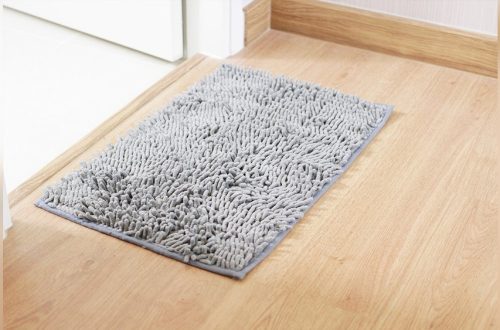
Bathroom rugs feel soft and warm under paws. Cats like soft surfaces for comfort. Rugs also absorb liquids well. This makes them ideal spots for cats to pee. The texture feels safe and cozy to cats. It hides the wetness better than hard floors.
Location Appeal
Bathrooms are quiet and private spaces. Cats seek places where they feel safe. Rugs near toilets or sinks are easy to access. Cats may prefer these spots over litter boxes. The bathroom’s closed-door effect makes cats feel secure. This draws them to the rug’s location.
Scent Retention
Bathroom rugs hold smells longer than tiles or wood. Cats use scent to mark territory. The rug’s fibers trap urine scent deeply. This encourages cats to return to the same spot. The smell signals a familiar place for peeing. This reinforces the behavior over time.
Checking Your Cat’s Health
Checking your cat’s health is very important if it starts peeing on your bathroom rug. This behavior can be a sign that your cat feels unwell. Cats often hide their pain, so accidents like this can be one of the first clues.
Pay close attention to changes in your cat’s habits and mood. Early detection of health problems can save your cat from more serious issues. Understanding the signs of illness helps you act quickly and get the right care.
Signs Of Urinary Tract Infection
A urinary tract infection (UTI) is a common cause of inappropriate urination. Your cat may try to pee more often but produce only small amounts. You might notice blood in the urine or a strong smell. Cats with UTIs may lick their genital area more than usual. They can also seem restless or cry out in pain while urinating.
If your cat shows these signs, a visit to the vet is needed. Early treatment of UTIs can stop the problem from getting worse.
Other Potential Medical Conditions
Other health issues can also cause your cat to urinate outside the litter box. Bladder stones, kidney problems, and diabetes affect urination habits. Stress or anxiety linked to health problems might trigger accidents too. Some cats develop arthritis, making it hard to reach the litter box.
Watch for weight loss, vomiting, or changes in appetite. These symptoms may point to an underlying illness. A vet checkup can find the cause and suggest treatment.
Improving Litter Box Setup
Improving your cat’s litter box setup can stop bathroom rug accidents. Cats need a clean, comfortable place to do their business. The right litter box setup helps them feel safe and relaxed. This reduces the chance they choose the bathroom rug instead.
Choosing The Right Litter
Cats prefer certain types of litter. Soft, clumping litter often works best. It feels gentle on their paws and hides odors well. Avoid scented litter that can irritate your cat’s nose. Try different kinds to find what your cat likes most.
Cleaning Frequency
Clean the litter box every day. Remove clumps and waste often. Cats avoid dirty boxes. A clean box invites them to use it. Wash the box with mild soap once a week. This keeps smells away and helps your cat feel comfortable.
Box Placement And Number
Place litter boxes in quiet, private spots. Avoid noisy or busy areas. Cats need privacy to feel safe. Have enough boxes for your cats—one box per cat plus one extra. This prevents fights and stress. More boxes mean fewer accidents on rugs or floors.
Reducing Stress For Your Cat
Stress can make cats behave strangely, including peeing outside their litter box. Reducing your cat’s stress helps stop this problem. Cats feel safe in calm, predictable places. Stress can come from loud noises, new pets, or changes at home. Helping your cat stay relaxed can stop bathroom rug accidents.
Creating A Calm Environment
Keep your home quiet and peaceful. Avoid sudden loud sounds or fast movements. Give your cat a safe space to hide and rest. Soft bedding and low lighting help your cat feel secure. A calm home lowers anxiety and reduces unwanted peeing.
Using Pheromone Products
Pheromone sprays and diffusers send calming signals to cats. These products mimic natural cat scents. They help your cat feel safe and relaxed. Place them near the litter box or favorite resting spots. This can reduce stress and stop urinating on rugs.
Routine And Playtime
Cats like routine. Feed and play with your cat at the same times daily. Regular play helps burn energy and reduces stress. Use toys to keep your cat active and happy. A tired cat is less likely to stress pee on your rug.
Cleaning And Deterring Rug Soiling
Cleansing and stopping your cat from peeing on the bathroom rug takes careful steps. Cats return to spots that smell like urine. Cleaning well removes these smells and stops repeat accidents. Deterring your cat from the rug also needs special products or changes to your space. This section covers how to clean and keep your rug safe.
Effective Cleaning Techniques
Use an enzymatic cleaner made for pet urine. It breaks down the smell and stops cats from returning. Avoid regular cleaners because they may not remove the odor fully. Blot the wet spot with paper towels first. Then apply the cleaner and let it air dry. Repeat if needed to clear strong odors.
Products That Repel Cats
Try sprays designed to keep cats away from rugs. These sprays have smells cats dislike but are safe for pets and humans. Spray the rug edges and spots your cat targets. Another option is placing mats with textures cats avoid. These products help keep cats off the rug without harm.
Replacing Or Removing Rugs
Sometimes removing the rug is the best choice. Wash or replace rugs that smell too strong. Choose rugs made of materials easy to clean. Avoid thick or fluffy rugs where urine hides inside. Hard floor mats can work better in bathrooms to stop accidents.
When To Seek Professional Help
Knowing when to seek professional help is important if your cat keeps peeing on the bathroom rug. This behavior can signal health or emotional problems. Acting quickly can prevent more accidents and help your cat feel better.
Veterinary Consultation
Visit a vet if your cat pees outside the litter box often. The vet will check for infections, bladder stones, or other medical issues. Pain or illness can cause cats to avoid the litter box. Early diagnosis can stop the problem from getting worse.
The vet may also suggest urine tests or blood work. Treating health problems can help your cat return to normal behavior. If your cat is healthy, the vet will guide you on the next steps.
Behaviorist Intervention
A cat behaviorist can help if your cat’s peeing is due to stress or habits. They study why cats act in certain ways. Stress, changes in the home, or conflicts with other pets can cause accidents.
The behaviorist will observe your cat and offer solutions. They might suggest changes in the litter box setup or daily routine. Training and environment adjustments can reduce stress and stop unwanted peeing.
Frequently Asked Questions
Why Is My Cat Peeing On The Bathroom Rug?
Cats pee on bathroom rugs due to stress, medical issues, or litter box problems. Rugs may feel soft and private, attracting them. Check for health concerns and ensure the litter box is clean and accessible.
How Can I Stop My Cat From Peeing On Rugs?
Clean rugs thoroughly to remove odors. Provide multiple, clean litter boxes in quiet areas. Address stress factors like new pets or changes. Consult a vet to rule out medical issues.
Could A Urinary Tract Infection Cause Rug Peeing?
Yes, urinary tract infections cause discomfort, making cats avoid litter boxes. They may pee on rugs instead. If your cat pees outside the box suddenly, consult a vet immediately.
Does Litter Box Type Affect My Cat’s Peeing Habits?
Yes, cats prefer specific litter types and clean boxes. Unfamiliar or dirty litter boxes may cause avoidance. Experiment with litter and box styles to find your cat’s preference.
Conclusion
Cats urinating on bathroom rugs can be frustrating. It often signals stress, illness, or litter box problems. Watch your cat’s behavior closely. Clean the rug well to remove smells. Make sure the litter box stays clean and accessible. Consult a vet to rule out health issues.
Patience and care help your cat feel safe. Understanding your cat’s needs stops unwanted accidents. Small changes bring big relief for both of you. Keep trying; your cat can learn better habits.