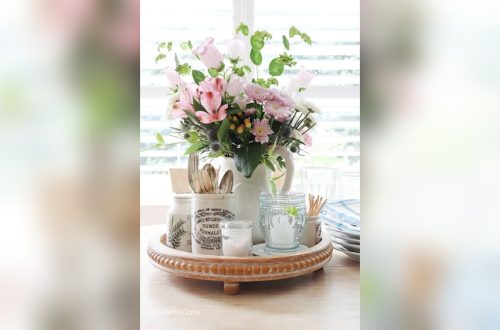
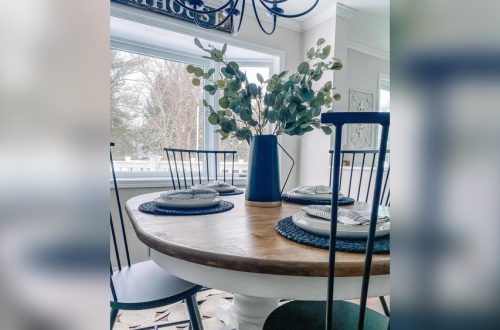
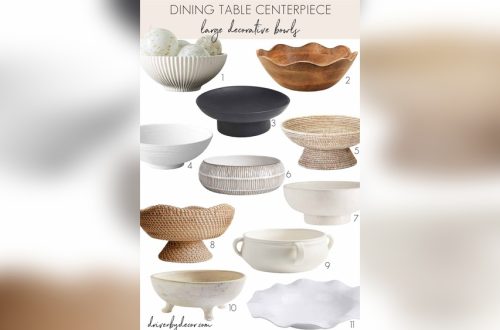
Imagine turning your kitchen table into a fresh, vibrant space that instantly lifts your mood every time you sit down. Live plant centerpieces do just that—they bring life, color, and a touch of nature right to the heart of your home.
If you want to create a warm and inviting atmosphere without spending a fortune, adding live plants is the easiest and most rewarding way. Keep reading to discover how you can choose and style the perfect live plant centerpiece that fits your kitchen and your lifestyle.
Benefits Of Live Plant Centerpieces
Live plant centerpieces bring many benefits to your kitchen table. They add life and freshness to the space. These natural decorations do more than just look nice. They improve the room’s atmosphere and even affect your well-being.
Enhancing Kitchen Ambiance
Live plants brighten the kitchen with natural colors. Green leaves create a calm and inviting space. They soften hard surfaces and add texture. Plants make the kitchen feel cozy and alive. A simple plant centerpiece can change the whole mood.
Improving Air Quality
Plants clean the air by removing toxins. They release oxygen and increase humidity. This makes the kitchen air fresher and healthier. Good air quality helps prevent dryness and irritation. A live plant centerpiece supports a cleaner indoor environment.
Boosting Mood And Creativity
Seeing green plants lifts the spirit. They reduce stress and create calmness. Plants help boost focus and inspire new ideas. A lively centerpiece can make cooking and eating more enjoyable. The presence of plants often sparks creativity in small ways.
Choosing The Right Plants
Choosing the right plants for your kitchen table is key to a beautiful centerpiece. Plants should match your lifestyle and space. Some need little care, while others need more attention. The right choice makes your table lively and fresh. Consider the look, size, and care needs before picking plants.
Low-maintenance Options
Succulents and snake plants are great low-maintenance choices. They need little water and can survive in low light. These plants stay green and healthy with minimal effort. Perfect for busy days and beginner gardeners.
Colorful And Textured Varieties
Choose plants with bright leaves or flowers for color. African violets and bromeliads add vibrant hues. Textured plants like ferns or spider plants bring depth. These create a lively and interesting kitchen table look.
Size And Space Considerations
Pick plants that fit your kitchen table size. Small pots work well for limited space. Tall plants may block views or take too much room. Measure your table space before buying plants. Balance size and style for the best display.
Creative Container Ideas
Choosing the right container can make your live plant centerpiece stand out. Containers bring style and personality to your kitchen table. They also affect how well your plants grow. Creative containers can match any kitchen theme. They can be simple or bold. Here are some ideas to inspire your next centerpiece.
Rustic And Vintage Pots
Rustic pots give a warm, cozy feeling. Old clay or terracotta pots work well. They have a natural, earthy look. Vintage pots with faded colors add charm. These containers pair well with herbs or small flowers. Use pots with cracks or worn paint for character. They look perfect on wooden tables.
Modern Minimalist Designs
Simple lines and neutral colors suit modern kitchens. White, black, or gray pots create clean looks. Geometric shapes add a trendy touch. Smooth ceramic or matte finishes look sleek. These containers highlight the plant’s natural beauty. They fit well in small or large kitchens.
Repurposed Kitchenware
Old kitchen items can become unique plant containers. Use teacups, bowls, or colanders as pots. These add fun and creativity to your table. Metal tins or wooden crates work well too. Repurposed items save money and reduce waste. They bring a personal story to your centerpiece.
Arranging Your Centerpiece
Arranging your live plant centerpiece can turn your kitchen table into a fresh, vibrant space. It needs care and a good eye for balance. The right setup makes plants look beautiful and keeps them healthy. Start with simple ideas and build up from there. Think about size, shape, and how plants work together. Small changes can make a big difference in your kitchen’s atmosphere.
Balancing Height And Shape
Choose plants with different heights for a balanced look. Tall plants add drama. Short ones bring fullness. Use round shapes next to spiky ones for contrast. Keep the tallest plant in the center or back. This prevents blocking your view. Mix upright and trailing plants for variety. Balance is key to a pleasing arrangement.
Combining Multiple Plants
Pick plants that like the same light and water. Group them by care needs to keep them healthy. Mix textures like smooth leaves and fuzzy ones. Try different shades of green for depth. Use odd numbers, like three or five plants. Odd numbers look more natural and interesting. Make sure each plant has room to grow.
Adding Decorative Elements
Use stones, shells, or small figurines to add charm. Choose items that match your kitchen style. A simple tray or basket can hold plants neatly. Add colorful pots for a lively touch. Use natural materials like wood or clay. These items make your centerpiece unique and inviting. Keep decorations minimal to not overwhelm plants.
Caring For Kitchen Table Plants
Live plant centerpieces can brighten any kitchen table. Caring for these plants keeps them fresh and lively. It also makes your kitchen feel warm and inviting. Simple care steps help your plants grow strong and healthy.
Understanding how to care for kitchen table plants is key. Water, light, and pest control are important parts of care. Each plant has its own needs. Knowing these needs helps your plants thrive.
Watering Tips
Most kitchen plants need water once or twice a week. Check soil moisture before watering. If the top inch feels dry, it is time to water. Avoid overwatering as it causes root rot. Use a pot with drainage holes to prevent water buildup.
Light Requirements
Plants need light to grow well. Place your centerpiece near a window for natural sunlight. Some plants like bright light, while others prefer low light. Watch your plant’s leaves for signs of too much or too little light. Move the plant if leaves turn yellow or brown.
Preventing Pests And Diseases
Keep your plants clean to avoid pests. Wipe leaves with a damp cloth regularly. Check plants for bugs like aphids or spider mites. Remove pests by hand or use mild soap spray. Good air circulation helps prevent diseases. Avoid wetting leaves too much to stop fungal growth.
Seasonal Plant Centerpiece Ideas
Seasonal plant centerpieces bring life and color to your kitchen table. They change with the seasons, keeping your space fresh and inviting. Each season offers unique plants that brighten your home naturally. Choose plants that match the season’s mood and colors. This guide shares easy ideas for every season.
Spring Blooms
Spring is full of bright and cheerful flowers. Tulips, daffodils, and hyacinths work well as centerpieces. They bring soft pastels and fresh scents. Use a clear vase to show off the stems. Add some fresh green leaves for contrast. These blooms symbolize new beginnings and growth.
Summer Greens
Summer calls for lush, green plants that feel cool and fresh. Ferns, succulents, and herbs make great choices. Place them in simple pots or rustic containers. Herbs like basil and mint add scent and can be used in cooking. Summer greens keep your kitchen feeling vibrant and alive.
Autumn Hues
Autumn plants display warm colors like orange, red, and yellow. Mums, ornamental kale, and small pumpkins create a cozy look. Use wooden bowls or metal trays as bases. Add dried leaves or pinecones for texture. These colors bring warmth to your kitchen during cooler months.
Winter Evergreens
Winter centerpieces focus on evergreens that last through cold days. Pine branches, holly, and eucalyptus bring fresh, deep green tones. Use a simple vase or a rustic basket. Add pinecones or cinnamon sticks for natural decoration. Evergreens bring calm and freshness during winter.
Incorporating Edible Plants
Incorporating edible plants into your kitchen table centerpieces brings freshness and flavor right to your dining space. These living decorations not only look beautiful but also offer practical use. You can pick herbs, flowers, or vegetables easily while cooking. This makes your meals tastier and your table more inviting.
Herbs For Cooking
Herbs like basil, parsley, and mint are perfect for centerpieces. They smell great and add flavor to dishes. You can clip a few leaves for salads or teas. These plants stay fresh longer indoors with good sunlight. Small pots of herbs give your kitchen a cozy, green touch.
Edible Flowers
Edible flowers add color and charm to your table. Nasturtiums, pansies, and violets taste mild and sweet. Use them to decorate salads or desserts. These flowers brighten your meals and make eating more fun. They need gentle care and some sunlight to bloom well.
Small Vegetable Plants
Miniature vegetables like cherry tomatoes or chili peppers fit nicely on your table. They grow well in pots and need moderate light. These plants bring variety and a fresh look to your centerpiece. Harvest small veggies as needed for cooking or snacking.
Frequently Asked Questions
What Are The Best Live Plants For Kitchen Table Centerpieces?
Succulent plants, herbs like basil or mint, and small ferns are ideal. They thrive indoors and need minimal care, adding fresh greenery and fragrance to your kitchen table.
How Do I Care For Live Plant Centerpieces Indoors?
Water your plants moderately and ensure they get indirect sunlight. Avoid overwatering and trim dead leaves regularly to keep the centerpiece healthy and vibrant.
Can Live Plant Centerpieces Improve Kitchen Air Quality?
Yes, many live plants like spider plants and pothos purify indoor air. They absorb toxins and release oxygen, making your kitchen environment fresher and healthier.
How Often Should I Water Kitchen Table Plant Centerpieces?
Water frequency depends on the plant type but generally once a week suffices. Check soil moisture and avoid waterlogging to maintain plant health.
Conclusion
Live plant centerpieces add life to your kitchen table. They bring natural color and fresh air. Plants also create a calm and cozy feel. Choose easy-care plants to save time and effort. Change plants with seasons for a fresh look.
Simple pots can match any kitchen style. Enjoy the beauty and calmness plants provide daily. Small touches make your space warm and inviting. Try adding a live plant centerpiece today. Your kitchen will thank you for it.