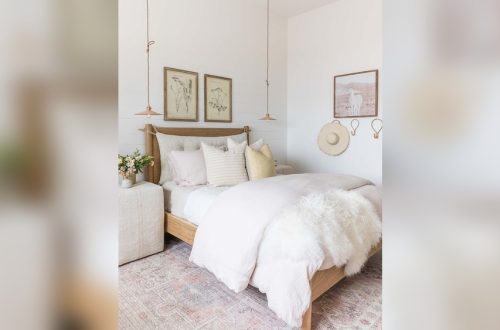
Are you wondering how to decorate your bedroom when the bed is placed between two windows? It can feel tricky to find the right balance of style and function in this space.
But don’t worry—this unique layout offers a great chance to create a cozy, bright, and inviting room. Imagine waking up to natural light streaming in from both sides while enjoying a perfectly styled bed that becomes the room’s centerpiece. You’ll discover simple and smart decorating tips that make the most of your bedroom’s layout.
Ready to transform your space into a peaceful retreat? Let’s dive in!
Choosing The Right Bed
Choosing the right bed is key when placing it between windows. It sets the room’s tone and balances the space. The bed must fit well without blocking light or crowding the area.
Size And Scale Considerations
Measure the wall space between the windows carefully. Choose a bed size that fits without touching the window frames. A bed too wide can make the room feel cramped.
Consider the room’s overall size. Small bedrooms need smaller beds to keep space open. Larger rooms allow for bigger beds but keep balance in mind.
Bed Frame Styles That Work
Simple bed frames suit spaces between windows best. Slim, low-profile frames keep the area light and airy. Avoid bulky frames that block window views or light.
Metal and wooden frames work well. They add style without overwhelming the room. Floating or platform beds also create a modern look.
Headboard Options
Choose headboards that fit the space between the windows. Narrow headboards or no headboard at all help keep the focus on the windows. Tall headboards may block light and feel heavy.
Upholstered headboards add softness and comfort. Wooden or metal headboards bring texture and character. Keep the style simple to complement the window area.
Maximizing Natural Light
Natural light makes a bedroom feel fresh and open. When the bed sits between windows, it offers a unique chance to brighten the room. Use sunlight to create a warm and welcoming space. This section shows how to make the most of natural light.
Window Treatments For Privacy And Light
Choose window treatments that let light in but keep privacy. Sheer curtains are a good choice. They soften sunlight and add a gentle glow. Light-colored blinds work well too. They control light levels and keep the room private. Avoid heavy drapes that block sunlight. Use treatments that can easily open or close. This allows you to adjust the light during the day.
Using Mirrors To Enhance Brightness
Mirrors reflect natural light and make the room look bigger. Place a mirror opposite or near the windows. It bounces sunlight around the room. Choose mirrors with simple frames to keep the look clean. Large mirrors work best, but small ones can add charm. Position mirrors where they catch the sun without glare. This trick increases brightness and adds depth to the bedroom.
Balancing Symmetry
Balancing symmetry in a bedroom with the bed placed between windows creates a calm and inviting space. Symmetry makes the room feel neat and organized. It also highlights the bed as the main focus of the room. Using matching pieces on each side of the bed helps achieve this balance. Symmetry adds harmony, making the bedroom more restful and pleasant.
Matching Nightstands And Lamps
Place identical nightstands on both sides of the bed. This creates a strong visual balance. Choose nightstands that fit the room size and style. Pair each nightstand with matching lamps. Lamps should be the same height and style. Matching lamps bring uniform lighting and a cozy feel. This setup keeps the bedroom looking tidy and well-planned.
Coordinating Wall Art
Use wall art to reinforce symmetry above or around the bed. Hang two pieces of art, one above each nightstand. Choose artworks with similar colors and shapes. This ties the room together and complements the windows. Keep the frames matching or very similar. Coordinated wall art enhances the room’s balance and charm.
Incorporating Storage Solutions
Incorporating storage solutions in a bedroom with the bed between windows helps keep the space neat. It makes the room feel bigger and more organized. Clever storage ideas fit well without blocking light or views from the windows. Use smart storage to keep essentials close and reduce clutter.
Under-bed Storage Ideas
Under-bed storage uses empty space below the bed. Choose shallow drawers or bins that slide easily. Store extra bedding, clothes, or shoes here. Clear containers help you find items fast. Some beds come with built-in storage drawers. These save space and keep things hidden. Use vacuum bags for seasonal clothes to save space.
Floating Shelves And Cabinets
Floating shelves add storage without taking floor space. Install shelves on walls beside or above the bed. Use them for books, plants, or small décor. Wall cabinets offer hidden storage for personal items. Choose cabinets with doors to hide clutter. Keep shelves simple to avoid blocking light from windows. Floating units create a clean and airy look.
Adding Color And Textures
Adding color and textures to a bedroom with the bed placed between windows creates a cozy, inviting space. Colors set the mood, while textures add depth and interest. Together, they make the room feel warm and balanced. This section guides you on choosing the right colors and layering textiles for a stylish look.
Choosing A Color Palette
Start with a color palette that fits your style and room size. Soft, light colors open the space and reflect natural light from the windows. Warm tones create a comfy, relaxing vibe. Consider one main color and two or three accent shades. Use these colors on walls, bedding, and décor. This keeps the room cohesive and easy on the eyes.
Pick colors that match your furniture and flooring. Use paint samples or fabric swatches to see how colors look in daylight. Natural light changes the color’s appearance during the day. Choose shades that feel calm and restful for a bedroom setting.
Layering Textiles
Textiles add softness and texture to the bedroom. Use a mix of materials like cotton, linen, wool, or velvet. Layer pillows, blankets, and rugs to create a cozy atmosphere. Different textures catch light in unique ways, adding visual interest.
Start with a simple bedspread, then add throw pillows in various fabrics. A chunky knit blanket or a soft faux fur throw adds warmth. Place a textured rug under or near the bed to tie the room together. Textiles make the space more inviting and comfortable.
Creating Cozy Ambiance
Creating a cozy ambiance in a bedroom with the bed placed between windows sets a peaceful mood. It invites relaxation and comfort. Soft lighting and natural elements make the space warm and inviting. Simple touches create a calm, soothing environment where you want to spend time.
Soft Lighting Options
Soft lighting adds warmth without harsh glare. Use bedside lamps with warm bulbs to create a gentle glow. String lights can add a magical touch around the windows. Wall sconces on either side of the bed offer balanced light and save space. Dimmer switches help adjust light levels to your mood. Choose lampshades that diffuse light softly for a calm effect.
Incorporating Plants And Accessories
Plants bring life and freshness to the bedroom. Small potted plants on window sills add color and texture. Hanging plants can frame the bed nicely without cluttering the space. Use natural materials like wood or woven baskets for accessories. Soft cushions and throws add extra comfort and style. Personal items like photos or books make the space feel lived-in and cozy.
Optimizing Floor Space
Optimizing floor space is key for a bedroom with the bed placed between windows. This setup can make the room feel open and bright. Still, smart use of space keeps the room comfortable and tidy. Proper planning helps avoid clutter and keeps the room easy to move around in.
Furniture Arrangement Tips
Choose furniture that fits the room size. Avoid large pieces that block light or pathways. Use low-profile nightstands to keep the area near the windows open. Place dressers or shelves against walls without windows. Keep the bed as the main focus. Arrange seating or desks in corners to save space. Use multi-functional furniture, like beds with storage drawers.
Keeping Pathways Clear
Leave enough space around the bed for easy movement. Aim for at least two feet of walking space. Avoid placing furniture in front of windows. This keeps natural light flowing and maintains a view. Clear pathways prevent accidents and make cleaning easier. Use rugs to define walking paths without adding obstacles. Keep cords and clutter off the floor near walkways.
Frequently Asked Questions
How To Position A Bed Between Two Windows Effectively?
Place the bed centered between windows to balance natural light. Use symmetrical nightstands or lamps for harmony. Ensure curtains or blinds allow light control without obstructing the bed.
What Curtains Suit A Bed Placed Between Windows?
Choose curtains that complement your bedroom style and frame the windows evenly. Light-filtering or blackout curtains work well to manage light and privacy.
How To Decorate Walls Around A Bed Between Windows?
Use artwork or mirrors above the bed to create a focal point. Keep decor minimal to avoid clutter and maintain balance between windows.
How To Maintain Privacy With A Bed Between Windows?
Install blinds or curtains that provide privacy without blocking light. Consider sheer curtains for daytime privacy and heavier ones for nighttime.
Conclusion
Placing the bed between windows can create a cozy, balanced space. Choose soft curtains to control light and add warmth. Use matching nightstands or lamps for a neat look. Add simple decorations to keep the room calm and inviting. Remember, the goal is comfort and style together.
Small changes can make a big difference here. Enjoy creating your peaceful bedroom retreat with these easy tips.