Have you ever wondered if you can use a regular rug in your bathroom? You might love how a soft rug feels under your feet, but bathrooms are tricky places.
Moisture, spills, and constant foot traffic can quickly ruin the wrong kind of rug. Before you bring that cozy carpet into your bathroom, it’s important to know what works and what doesn’t. Keep reading to find out how to choose the right rug that keeps your bathroom stylish and safe, without turning into a soggy mess.
Your feet—and your floors—will thank you.
Choosing The Right Rug Material
Choosing the right rug material is key for bathroom use. The bathroom is a wet place, so the rug must handle moisture well. Picking the wrong material can lead to mold, mildew, or damage. Some materials absorb water and stay wet too long. Others dry fast and resist water. Understanding material types helps you pick a safe and comfy rug.
Natural Fibers Vs Synthetic Fibers
Natural fibers come from plants or animals. Cotton, wool, and jute are common examples. They feel soft and look nice. But natural fibers soak up water easily. They take time to dry and may grow mold. Synthetic fibers like polyester and nylon resist water better. They dry faster and last longer in damp places. Synthetic rugs often cost less and clean easier than natural ones.
Water-resistant Options
Water-resistant rugs stop water from soaking through. Look for rugs with special coatings or made from water-proof materials. Rubber-backed rugs keep water from reaching the floor. These rugs prevent slips and protect floors. Some rugs have quick-drying fibers that repel water. A water-resistant rug stays fresh and safe in the bathroom.
Quick-drying Materials
Quick-drying rugs help avoid mold and smell. Microfiber and polyester dry fast after getting wet. They absorb less water and dry in hours. This keeps the rug light and clean. Rugs with good airflow underneath also dry faster. Choosing quick-drying rugs keeps your bathroom fresh and comfortable.
Size And Placement Tips
Choosing the right size and placement for a bathroom rug is important. It helps keep the space safe and comfortable. A rug that fits well also makes the bathroom look neat and inviting. Small bathrooms need smaller rugs, while bigger bathrooms can hold larger ones. Placement matters to avoid slipping and to protect the floor from water.
Ideal Rug Sizes For Bathrooms
Small rugs, about 17 by 24 inches, work well near the sink or toilet. Medium rugs, around 20 by 30 inches, fit in front of the shower or bathtub. Larger rugs, 24 by 60 inches or more, suit wide spaces or double vanities. Choose a size that does not block doors or make walking tricky. Measure your bathroom floor first to find the best fit.
Best Spots To Place Rugs
Place a rug right outside the shower or tub to catch water drops. A rug near the sink helps keep feet warm and dry. Consider placing a rug in front of the toilet for extra comfort. Avoid placing rugs in spots where they can slide easily. Use non-slip pads under rugs to hold them in place. These spots help keep the bathroom safe and cozy.
Maintenance And Cleaning
Keeping a regular rug clean in the bathroom needs care and attention. Bathrooms are moist places. This moisture can cause damage to rugs if not handled properly. Proper maintenance helps keep the rug fresh and long-lasting.
Cleaning the rug regularly stops dirt and germs from building up. It also prevents bad smells and stains. A clean rug makes the bathroom look neat and inviting.
Regular Washing Guidelines
Wash the rug often, about once a week. Use warm water and mild detergent. Avoid harsh chemicals that can damage the fibers. Check the care label for specific washing instructions. Machine wash rugs that allow it, but hand wash delicate ones.
Rinse well to remove all soap. Soap residue can attract dirt and make the rug stiff. Use gentle cycles to protect the rug’s shape and color. Regular washing keeps the rug soft and clean.
Preventing Mold And Mildew
Mold and mildew grow fast in damp rugs. To stop this, dry the rug quickly after use. Avoid leaving it wet on the bathroom floor. Hang the rug or place it in a well-ventilated area to dry.
Make sure the bathroom has good air flow. Use fans or open windows to reduce humidity. Clean the rug with vinegar or baking soda sometimes. These natural cleaners help prevent mold growth.
Drying Techniques
Dry the rug outside in the sun if possible. Sunlight kills bacteria and dries the rug faster. Avoid direct heat sources like radiators or dryers that can shrink the rug.
Shake the rug well before drying to remove dust. Lay it flat or hang it over a clothesline. Flip the rug to dry both sides evenly. Proper drying keeps the rug fresh and mildew-free.
Safety Considerations
Safety is the top priority when placing a regular rug in the bathroom. Bathrooms often have wet floors. Wet floors can cause slips and falls. Rugs without proper safety features increase this risk. Choosing the right rug and adding safety measures can prevent accidents. Here are important safety tips to keep your bathroom safe.
Non-slip Backing Importance
Rugs with non-slip backing stay firmly in place. They stop the rug from sliding on wet floors. Regular rugs often lack this feature. Without non-slip backing, the rug moves easily. This can cause someone to trip or fall. Always pick rugs designed for bathroom use or add a non-slip layer. This small step makes a big difference in safety.
Using Rug Pads
Rug pads add extra grip under your rug. They work well with regular rugs that do not have non-slip backing. Rug pads keep the rug steady and prevent slipping. Choose pads made for bathroom floors. These pads resist moisture and mold. Adding a rug pad increases comfort and safety. It also extends the life of your rug.
Design And Style Ideas
Choosing a rug for the bathroom goes beyond function. Design and style ideas help create a space that feels warm and inviting. A rug can bring personality and comfort to the bathroom floor. It also ties the room’s look together. Think about how the rug fits with your bathroom’s overall style. This section explores ideas to help pick the right rug design.
Matching Bathroom Decor
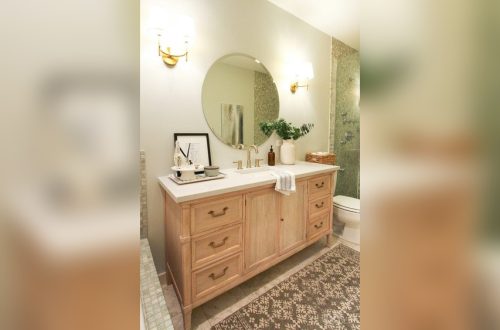
Pick a rug that matches the bathroom’s style. A modern bathroom suits simple, clean rugs. Traditional bathrooms look great with patterned or textured rugs. Match the rug’s material to the room’s vibe. Soft cotton or microfiber blends well in cozy spaces. Avoid rugs that clash with fixtures or wall colors. A well-matched rug creates harmony and balance in the room.
Color And Pattern Choices
Choose colors that complement or contrast with the bathroom walls. Light colors can make a small bathroom feel bigger. Dark colors hide dirt but might shrink the space visually. Patterns add interest without overwhelming the space. Stripes or geometric shapes offer a modern touch. Floral or classic motifs suit vintage or rustic bathrooms. Pick a pattern that fits your style and feels right.
When To Avoid Regular Rugs
Regular rugs can bring warmth and style to many rooms. Bathrooms are different. They have special needs because of water and moisture. Knowing when to avoid regular rugs helps keep your bathroom safe and clean.
High Humidity Concerns
Bathrooms have high humidity from showers and baths. Regular rugs absorb moisture easily. This can cause mold and mildew. Mold can damage the rug and create bad smells.
Wet rugs also become slippery. This increases the risk of falls. Regular rugs take time to dry. This makes them less safe in humid spaces.
Alternative Rug Options
Choose rugs made for wet areas. Look for water-resistant or quick-dry materials. These rugs stay dry and resist mold.
Memory foam bath mats and rubber-backed rugs work well. They provide comfort and safety. These options help keep your bathroom clean and dry.
Frequently Asked Questions
Can You Use A Regular Rug In A Bathroom?
Yes, you can use a regular rug in the bathroom. However, it must be durable and quick-drying to prevent mold. Choose rugs made from synthetic fibers or materials designed for moisture resistance.
What Risks Come With Regular Rugs In Bathrooms?
Regular rugs may retain moisture, leading to mold and mildew growth. They can also become slippery and unsafe when wet. Proper care and choosing water-resistant rugs reduce these risks.
How To Maintain A Regular Rug In A Bathroom?
Keep the rug dry by airing it out regularly. Wash it frequently to prevent mold buildup. Use a rug pad that resists moisture to extend its life in the bathroom.
Are Bathroom-specific Rugs Better Than Regular Rugs?
Bathroom rugs are designed to handle moisture and dry quickly. They often have non-slip backings for safety. While regular rugs can work, bathroom-specific rugs offer better durability and hygiene.
Conclusion
Regular rugs can work in bathrooms with care and attention. Choose rugs that dry quickly and resist moisture. Avoid placing them where water pools or stays long. Clean rugs often to stop mold and bad smells. Remember, bathroom rugs need extra care compared to other rooms.
A well-chosen rug can add comfort and style safely. Keep an eye on wear and replace rugs when needed. A simple, clean rug helps keep your bathroom cozy and fresh.