Are you wondering if a bathroom rug can work in your kitchen? It’s a simple question, but the answer might surprise you.
Choosing the right rug for your kitchen isn’t just about looks—it’s about safety, comfort, and how well it handles spills and stains. Before you grab that soft bathroom rug and toss it by the sink, there are a few important things you need to know.
Keep reading, and you’ll discover whether your bathroom rug can pull double duty or if you should look for something made just for your kitchen.
Differences Between Bathroom And Kitchen Rugs
Bathroom rugs and kitchen rugs serve different purposes. They are made for specific rooms with unique needs. Understanding their differences helps in choosing the right rug for each space. This knowledge also shows whether a bathroom rug can work well in a kitchen.
Material Variations
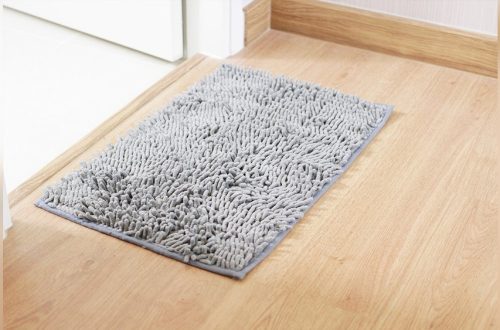
Bathroom rugs usually use soft, absorbent materials like cotton or microfiber. These materials soak up water quickly from wet feet. Kitchen rugs often use tougher fabrics such as nylon or polyester. These materials resist stains and dry faster.
Design And Size
Bathroom rugs tend to be smaller and shaped to fit around sinks or tubs. They often have a non-slip backing to prevent falls on wet floors. Kitchen rugs are usually longer or runner-style to cover more floor area. Their designs focus on durability and ease of cleaning.
Absorbency And Durability
Bathroom rugs absorb water and dry slowly in humid conditions. They prioritize comfort and softness for bare feet. Kitchen rugs must handle spills, stains, and frequent washing. They are made to last longer under heavy foot traffic and mess.
Pros Of Using Bathroom Rugs In The Kitchen
Bathroom rugs can work well in kitchens for several reasons. They offer comfort and safety while standing for long periods. These rugs also make cleaning easier. Choosing the right bathroom rug can improve your kitchen space in simple ways.
Softness And Comfort
Bathroom rugs are made to feel soft underfoot. This softness helps reduce foot fatigue during cooking or washing dishes. Standing on a cushioned rug feels better than hard kitchen floors. It creates a cozy and warm spot in the kitchen.
Slip Resistance
Many bathroom rugs have non-slip backings. This feature helps keep the rug in place on slippery kitchen floors. It reduces the risk of falls and accidents. A stable rug adds safety, especially near sinks or stoves.
Easy Maintenance
Bathroom rugs are designed for frequent washing. They dry quickly and do not hold moisture. This quality makes them perfect for kitchen spills and messes. Cleaning a bathroom rug is simple and keeps the kitchen hygienic.
Cons Of Using Bathroom Rugs In The Kitchen
Using a bathroom rug in the kitchen might seem practical. But there are several downsides to consider before making the switch. These rugs are not designed for kitchen use. They can cause problems with stains, wear, and safety.
Stain And Odor Issues
Bathroom rugs often absorb water and soap. Kitchen spills include oil, food, and grease. These stains can be hard to remove from bathroom rugs. The rugs may hold odors from kitchen messes. This makes your kitchen smell unpleasant over time.
Wear And Tear
Bathroom rugs are made for low-traffic areas. Kitchens have more foot traffic and heavy use. Bathroom rugs can wear out quickly in the kitchen. Their material may break down faster. This leads to more frequent replacements and extra costs.
Safety Concerns
Bathroom rugs often have a soft, plush backing. This backing may not grip well on kitchen floors. Rugs can slip and cause accidents. Kitchen rugs need to be non-slip to prevent falls. Using a bathroom rug may increase the risk of injury.
Best Bathroom Rugs For Kitchen Use
Bathroom rugs can work well in the kitchen. They offer softness and absorb water spills. Choosing the right bathroom rug is key to making it fit your kitchen space. Consider factors like material, size, and shape. These affect comfort, safety, and style in your kitchen.
Some bathroom rugs handle kitchen mess better than others. Pick one that dries fast and stays in place. Look for rugs that add warmth and charm to your kitchen floor. Below are tips to help you select the best bathroom rugs for kitchen use.
Material Recommendations
Choose bathroom rugs made from cotton or microfiber. These materials absorb water quickly and dry fast. They keep your kitchen floor safe from slips. Avoid rugs with loose fibers that shed easily. Synthetic blends also work well for durability and easy cleaning.
Look for rugs with non-slip backing. Rubber or latex backing helps rugs stay in place. This prevents accidents on wet or greasy kitchen floors. Materials that resist stains and odors keep your kitchen fresh. Select rugs that clean easily with a simple wash.
Size And Shape Tips
Pick bathroom rugs that fit your kitchen layout. Small rectangular or oval rugs work well near sinks. They catch drips and offer comfort while standing. Larger rugs suit areas with more floor space, like in front of the stove.
Consider thickness and weight. Thin rugs lay flat and reduce tripping. Lightweight rugs are easy to move and clean. Choose shapes that match your kitchen design. Simple shapes fit most kitchens and keep the space neat.
Alternative Rug Options For Kitchens
Kitchens need rugs that handle spills and heavy foot traffic. Choosing the right rug helps keep your kitchen safe and clean. Bathroom rugs may not always meet kitchen demands. Exploring other rug options can improve your kitchen’s comfort and style.
Many rugs offer durability and easy cleaning. Some focus on eco-friendly materials. Others allow you to personalize your kitchen space. These choices make kitchens cozy and practical.
Traditional Kitchen Mats
Traditional kitchen mats often feature non-slip backing. They protect floors from water and food spills. These mats come in various sizes and colors. Many have cushioned surfaces for comfort while standing. They are easy to clean with a damp cloth or vacuum.
Eco-friendly Choices
Eco-friendly rugs use natural fibers like jute or cotton. These materials are biodegradable and sustainable. They add a natural look to your kitchen decor. Many eco-friendly rugs resist stains and dry quickly. This choice supports a healthier home environment.
Customizable Rugs
Customizable rugs let you pick size, color, and pattern. You can create a rug that fits your kitchen’s style perfectly. Some brands offer personalized prints or monograms. Custom rugs help your kitchen feel unique and welcoming. They also allow easy replacement if needed.
Maintenance Tips For Kitchen Rugs
Keeping kitchen rugs clean and fresh takes some care. Rugs face spills, stains, and heavy foot traffic daily. Proper maintenance helps rugs look good longer and stay safe to use. Follow simple steps to keep kitchen rugs neat and durable.
Cleaning Techniques
Vacuum kitchen rugs often to remove dirt and crumbs. Spot clean spills quickly with mild soap and water. Avoid harsh chemicals that can damage rug fibers. For deep cleaning, check the rug’s label for washing instructions. Some rugs can go in the washing machine, while others need hand washing or dry cleaning.
Preventing Mold And Mildew
Keep kitchen rugs dry to stop mold growth. Air out rugs regularly, especially after spills. Use a fan or open windows to help rugs dry faster. Avoid placing rugs in damp areas or near sinks. Mold and mildew not only smell bad but can harm your health.
Extending Rug Lifespan
Rotate rugs every few weeks to spread wear evenly. Use rug pads underneath to prevent slipping and add cushioning. Avoid placing heavy appliances or furniture on rugs. Clean up food crumbs and liquids quickly. Taking these steps helps rugs stay soft and last longer in busy kitchens.
Frequently Asked Questions
Can A Bathroom Rug Work Well In The Kitchen?
Yes, a bathroom rug can work in the kitchen if it’s durable and easy to clean. Choose rugs with non-slip backing to prevent accidents. Bathroom rugs absorb moisture well, which is helpful near sinks. However, ensure the material withstands kitchen spills and frequent washing.
Are Bathroom Rugs Safe For Kitchen Floors?
Bathroom rugs with non-slip backing are generally safe for kitchen floors. They provide good grip and help prevent slips. However, check the rug’s material to avoid stains or damage from kitchen spills. Regular cleaning keeps the rug hygienic and safe for kitchen use.
How Do Bathroom Rugs Compare To Kitchen Rugs?
Bathroom rugs typically absorb water better and dry quickly. Kitchen rugs are designed to handle food spills and heavy foot traffic. Bathroom rugs may lack durability for kitchen use but can be used temporarily. Always pick rugs that suit your kitchen’s specific needs.
Can Bathroom Rugs Handle Kitchen Spills?
Bathroom rugs can absorb minor kitchen spills effectively. Their moisture-absorbing properties help keep floors dry. However, frequent and heavy spills may cause stains or odors. Regular washing and choosing stain-resistant materials improve their performance in the kitchen.
Conclusion
Bathroom rugs can work in kitchens, but choose carefully. Look for rugs that resist water and stains. Softness and grip matter to keep you safe. Wash rugs often to keep them fresh and clean. A good rug makes your kitchen cozier and safer.
Think about style, size, and material before deciding. Using a bathroom rug in the kitchen can be practical if it fits your needs. Simple care keeps it looking nice longer. Rugs add comfort and warmth to your cooking space.