Are you struggling to figure out the perfect distance between your pendant lights? Getting this spacing right can change the whole look and feel of your room.
Too close, and your space feels cluttered; too far apart, and it loses its charm. In this guide, you’ll discover simple rules and expert tips that make your lighting not just functional, but truly stunning. Keep reading, and you’ll learn how to light up your home with confidence and style.

Credit: plankandpillow.com
Choosing Pendant Light Sizes
Pendant lights can change the look of a room. Picking the right size is key. The size affects how the light fits and feels in the space.
Too big or too small can look off. The right size helps balance the room and makes the lighting work well.
Match Lights To Room Dimensions
Start by measuring the room’s length and width. Use these numbers to guide your light size choice.
Large rooms need bigger or more pendant lights. Small rooms work best with smaller lights to avoid crowding.
Think about the ceiling height too. Low ceilings need smaller lights to keep the space open.
Consider Bulb And Shade Sizes
The bulb size affects how much light you get. Bigger bulbs shine brighter but may need bigger shades.
Shades come in many shapes and sizes. Pick one that fits the bulb and looks good in the room.
Choose shades that spread light well and match your room’s style. This improves both function and looks.
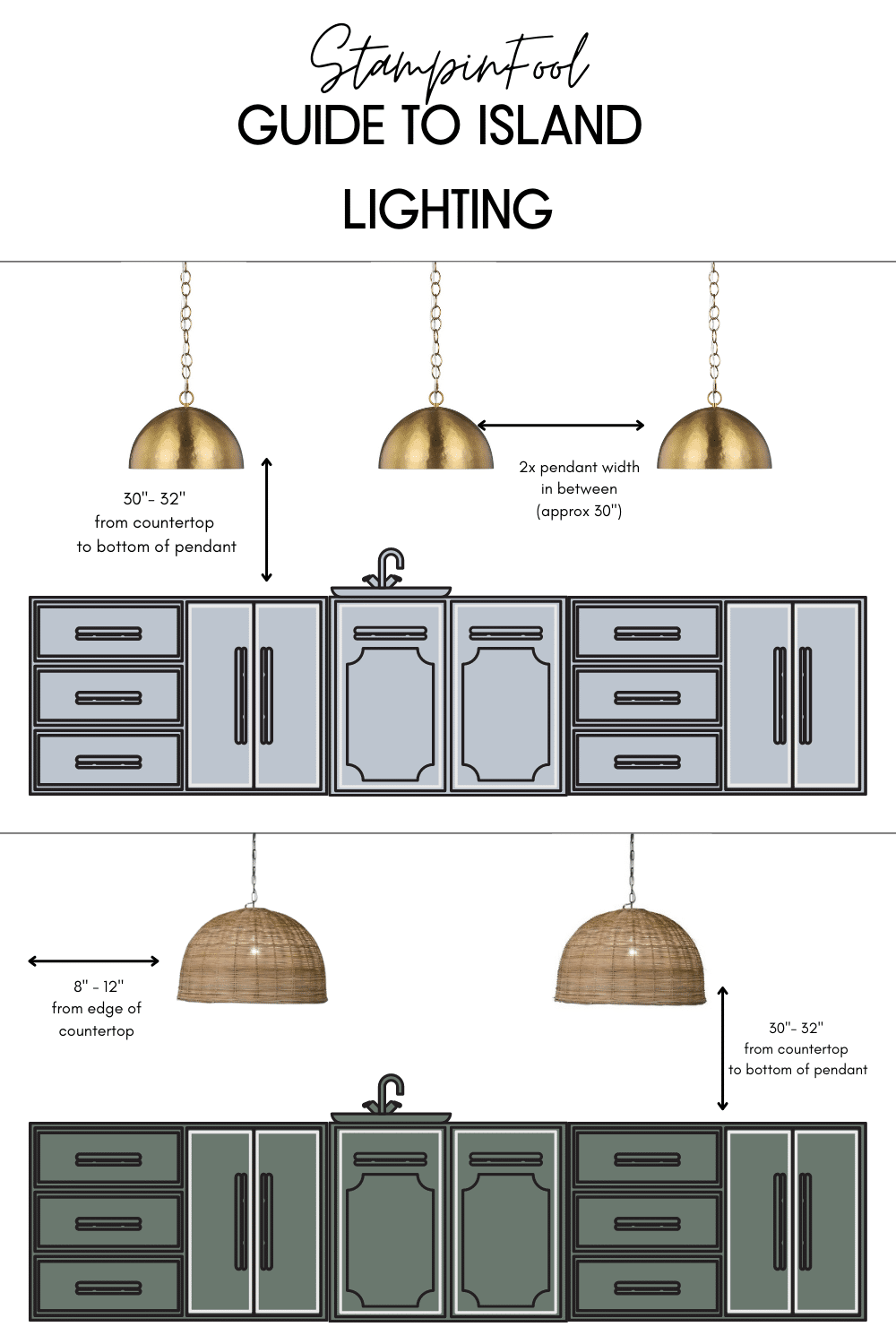
Credit: stampinfool.com
Ideal Height Above Surfaces
Finding the ideal height for pendant lights above surfaces is key to good lighting and style. Proper height helps light spread evenly and avoids glare. It also keeps the space comfortable and functional. Heights vary by surface type and room size.
Spacing Above Counters And Tables
Pendants above counters or tables usually hang between 28 to 34 inches. This range provides enough light without blocking views. It keeps the light focused on the work or dining area. Adjustments depend on the pendant size and light brightness. Smaller pendants can hang a bit lower. Larger pendants need more space above the surface.
Adjusting For Ceiling Height
Ceiling height affects pendant placement. Higher ceilings call for longer drops. This prevents lights from looking too small or floating too high. Lower ceilings need shorter drops to avoid head bumps. Use a general rule: keep pendants at least 7 feet from the floor. This keeps walking areas safe and bright. Customizing height fits the room’s size and style.
Spacing Between Multiple Pendants
Spacing between multiple pendant lights affects both the look and the function of a room. Proper gaps help lights spread evenly. Too close, and the room feels crowded. Too far, and you lose balance and style. Finding the right distance creates harmony and good lighting.
Consider the size of each pendant and the room’s size. This helps decide how far apart the pendants should hang. Good spacing adds charm and makes sure the area is well lit.
Standard Distance Guidelines
Pendants should hang 24 to 30 inches apart. Measure from the edges of each fixture. This space suits most kitchens and dining rooms. For smaller pendants, 24 inches works well. Larger pendants need 30 inches or more. Keep the pendants at least 28 to 34 inches above the table.
Balancing Light And Aesthetics
Spacing affects both light coverage and room style. Even gaps prevent dark spots and glare. Proper distance creates a rhythm the eye enjoys. Arrange pendants to match the furniture below. This balance makes the space feel inviting and neat. Adjust the height and distance until the light looks right and feels comfortable.
Factors Affecting Pendant Placement
Pendant lights can change how a room feels. The space between them affects both look and function. Several factors influence where to place pendant lights. Understanding these helps create the right lighting setup.
Room Function And Traffic Flow
The room’s use guides pendant placement. In kitchens, lights should hang over counters for clear workspaces. In dining rooms, pendants focus on the table, not walkways.
Consider how people move in the room. Avoid placing pendants where heads might hit them. Keep enough space for easy movement. This prevents accidents and keeps the room comfortable.
Type Of Lighting Effect Desired
Pendants can provide task, ambient, or accent lighting. Task lighting needs focused beams, so lights are closer together. Ambient lighting spreads light evenly, requiring wider spacing.
Accent lighting highlights objects or walls. Place pendants to draw attention to these areas. The distance between lights changes the mood. Closer pendants create bright spots; wider spacing offers softer light.
Common Mistakes To Avoid
Choosing the right distance between pendant lights is important. Many people make common mistakes that affect the room’s look and feel. Avoiding these errors helps create a balanced and attractive space. Here are two common mistakes to watch out for.
Overcrowding Fixtures
Placing pendant lights too close can clutter the space. Overcrowding makes the room feel tight and messy. Each light needs room to shine and highlight its area. Leave enough space for light to spread evenly. Crowded fixtures also make cleaning and maintenance harder.
Ignoring Proportion And Scale
Lights must match the size of the room and furniture. Small pendants in a large space look lost and weak. Large pendants in a small space feel overwhelming and awkward. Choose lights that fit the room’s height and width. Proper scale keeps the design balanced and comfortable.

Credit: www.delmarfans.com
Tips For Different Room Types
Choosing the right distance between pendant lights depends on the room type. Each space has unique needs for light and style. Setting the perfect gap helps balance function and design. Below are tips for different rooms to guide your lighting setup.
Kitchen Islands And Bars
For kitchen islands, space pendant lights about 28 to 34 inches apart. This spacing offers enough light for cooking and eating. Keep pendants 30 to 36 inches above the island surface. This height prevents glare and keeps the workspace clear.
At bars, place lights 24 to 30 inches apart. This closer spacing creates a cozy feel. Hang pendants 33 to 38 inches above the bar top. It ensures good lighting for drinks and snacks.
Dining Areas And Living Rooms
In dining rooms, space pendant lights 30 to 36 inches apart. This distance provides even lighting over the table. Hang pendants 28 to 34 inches above the table surface. It keeps light focused where you need it most.
For living rooms, space pendant lights wider apart. Aim for 36 to 48 inches between fixtures. This wider gap suits larger spaces and creates soft light. Hang pendants 60 to 72 inches from the floor for the best look.
Frequently Asked Questions
How Far Apart Should Pendant Lights Hang In A Kitchen?
Pendant lights in a kitchen should be spaced 24 to 30 inches apart. This distance ensures balanced lighting and prevents overcrowding. Proper spacing helps illuminate the workspace evenly and enhances the room’s aesthetic appeal.
What Is The Ideal Height For Pendant Lights Above A Countertop?
Pendant lights should hang 30 to 36 inches above the countertop. This height provides optimal task lighting without obstructing views. Adjust the height based on ceiling height and fixture size for best results.
How To Space Pendant Lights Over A Dining Table?
Space pendant lights 24 to 30 inches apart over a dining table. Keep the bottom of the fixtures 30 to 36 inches above the table surface. This spacing offers comfortable lighting and maintains visual balance.
Can Pendant Lights Be Spaced Closer In Small Rooms?
Yes, pendant lights can be spaced closer in small rooms. Aim for 18 to 24 inches apart to avoid overcrowding. Proper spacing ensures sufficient light without overwhelming the space.
Conclusion
Choosing the right distance between pendant lights makes a big difference. Space them evenly to spread light well and avoid dark spots. Think about the room size and what you use the light for. Hanging lights too close or too far can change the room’s look and feel.
Test a few positions to see what feels best. Good lighting helps a room feel warm and inviting. Keep it simple and balanced for the best effect. This small change can brighten your space every day.