Are your string lights suddenly not turning on? It’s frustrating when those cozy, twinkling lights don’t work just when you need them.
You might be wondering if the problem is with the bulbs, the plug, or something else entirely. Don’t worry—this guide will help you figure out exactly why your string lights aren’t working and how you can fix them quickly. Keep reading, and you’ll have your lights shining bright again in no time.

Credit: diy.stackexchange.com
Common Causes Of String Light Issues
String lights add a warm glow to any space. When they stop working, it can be frustrating. Many issues cause string lights to fail. Knowing these common problems helps you fix them faster. The main causes include power source problems, damaged bulbs, faulty wiring, and blown fuses.
Power Source Problems
Check the outlet first. Sometimes the outlet has no power. Try plugging another device to test it. The plug on the string lights might be loose or broken. Make sure the switch is on. Outdoor lights need a weatherproof power source.
Damaged Bulbs
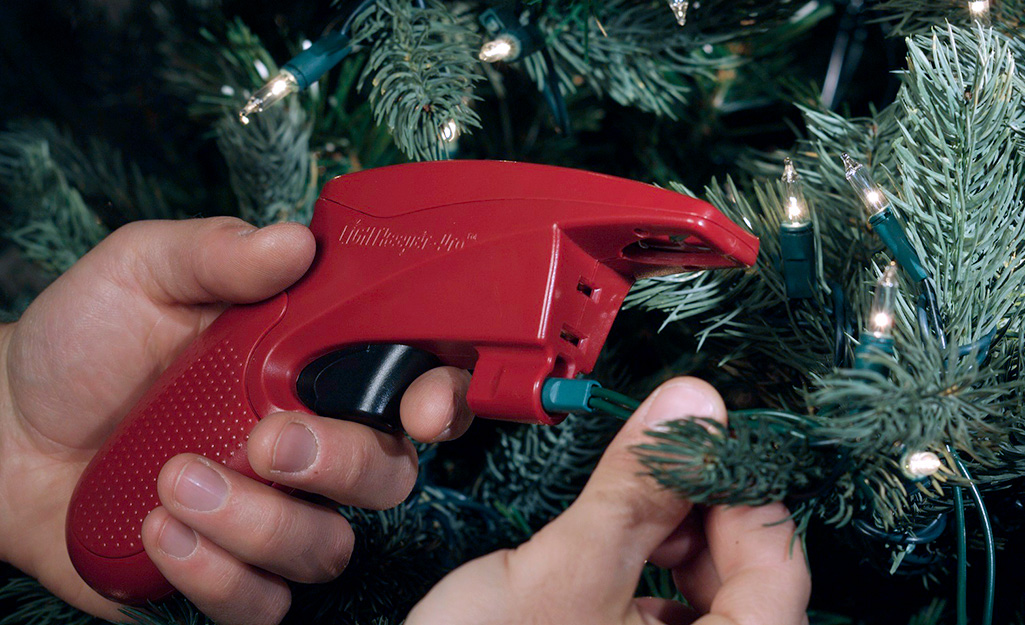
A single broken bulb can stop the whole string from working. Look for bulbs that are cracked or blackened. Replace any damaged bulbs with the correct type. Some lights stop working if one bulb is missing. Use bulbs that fit the string light set.
Faulty Wiring
Wiring inside the string lights can break or wear out. Look for frayed or exposed wires. Damaged wiring can cause shorts or open circuits. Do not use lights with damaged wires. Replace the string light or repair wiring if you know how.
Blown Fuses
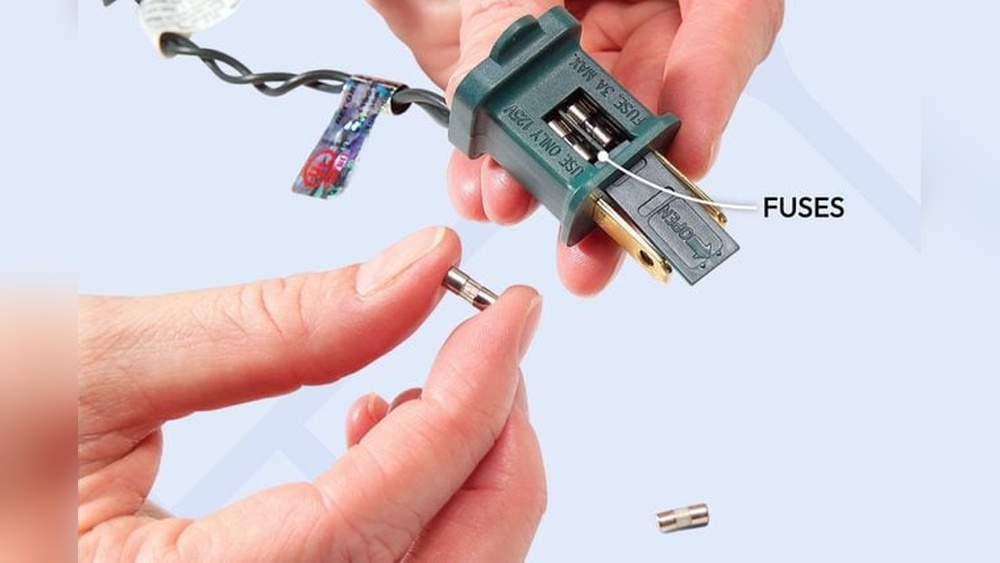
Many string lights have small fuses inside the plug. A blown fuse stops electricity flow. Open the fuse compartment carefully. Check the fuse and replace it if broken. Use the same type and rating of fuse. Keep spare fuses for quick fixes.
Credit: www.homedepot.com
Troubleshooting Steps
String lights add charm and warmth to any space. When they stop working, it can be frustrating. Follow these simple steps to find the problem fast. These checks are easy and require no special tools. Try each step carefully to fix your string lights.
Check The Power Outlet
Start by plugging another device into the same outlet. This confirms if the outlet has power. Sometimes outlets have switches that need to be turned on. Also, check if a circuit breaker has tripped. Reset it if needed to restore power.
Inspect Each Bulb
Look closely at every bulb on the string. A single burnt-out bulb can stop the whole string. Replace any broken or blackened bulbs. Make sure each bulb is screwed in tightly. Loose bulbs can cause the lights to flicker or not work.
Examine The Cord For Damage
Run your hand along the cord to feel for cuts or frays. Damage can cause shorts and stop the lights. Look for exposed wires or burn marks. If the cord is damaged, do not use the string lights. Replace the cord or the entire string for safety.
Test The Fuse
Find the fuse holder in the plug. Open it using a small screwdriver. Check the fuse for any breaks or black marks. Replace the fuse if it is blown. Use the correct fuse type to avoid further damage.
Quick Fixes To Try
String lights can stop working for simple reasons. You can often fix them quickly. Trying a few easy steps might save you time and money. These quick fixes help find and solve common problems fast.
Replace Burnt-out Bulbs
Burnt-out bulbs often cause string lights to stop working. Check each bulb carefully. Replace any bulbs that look dark or broken. Use the right size and type for your string lights. New bulbs can restore the entire string’s power.
Reset Or Replace Fuses
Many string lights have small fuses in the plug. These fuses protect the lights from power surges. Open the fuse compartment and check the fuse. Replace it if it is blown. Reset the fuse if your model allows. A new fuse can make the lights work again.
Secure Loose Connections
Loose connections can stop electricity from flowing. Check all plugs and sockets. Make sure each connection fits tightly. Wiggle the wires gently to find loose spots. Tighten or reconnect any loose parts. Secure connections keep the lights shining bright.
Use A Multimeter For Testing
A multimeter measures electrical current and voltage. Use it to test each bulb socket and wire. This tool helps find breaks or faults in the string. Set the multimeter to continuity mode. Test parts one by one to spot issues. Replace damaged bulbs or wires based on results.
Credit: www.homedepot.com
Preventing Future Problems
Preventing problems with string lights helps save time and money. Taking simple steps keeps your lights working longer. Careful handling and regular checks stop many common issues.
Proper Storage Tips
Store string lights in a cool, dry place. Avoid tight coils to prevent wire damage. Use a spool or wrap them loosely. Keep them away from heavy objects or sharp edges. Proper storage stops tangles and broken bulbs.
Regular Maintenance
Check lights before use for broken bulbs or frayed wires. Clean dust and dirt gently with a soft cloth. Replace damaged bulbs right away. Regular checks catch small problems early. This keeps lights safe and bright.
Avoid Overloading Circuits
Plugging too many lights into one outlet causes failure. Know the watt limit of your circuit. Use power strips with built-in overload protection. Spread lights across different outlets if needed. Overloading can cause lights to flicker or stop working.
Choose Quality String Lights
Buy lights from trusted brands with good reviews. Quality lights last longer and resist weather damage. Cheap lights often have weak wiring and poor bulbs. Investing in good lights reduces repairs and replacements.
Frequently Asked Questions
Why Are My String Lights Not Turning On?
Check the power source and plug connection first. Ensure the bulbs are securely in place and not burnt out. Inspect the fuse or circuit breaker for issues. Replace faulty bulbs or reset the fuse to restore functionality.
How Do I Fix A Broken String Light Bulb?
Identify the burnt-out bulb and replace it with a matching one. Always unplug the string lights before replacing bulbs. Use bulbs designed for your specific string light set to avoid damage or malfunction.
Can Weather Affect Outdoor String Lights Working?
Yes, extreme weather like rain or snow can damage outdoor string lights. Moisture may cause short circuits or corrosion. Use weatherproof lights and ensure proper insulation to protect them and maintain performance.
What Causes String Lights To Flicker Intermittently?
Flickering often results from loose bulbs, poor connections, or damaged wires. Check each bulb and socket for tightness and signs of wear. Replace any damaged components to ensure steady, reliable lighting.
Conclusion
Troubleshooting string lights can save time and money. Check bulbs, plugs, and fuses carefully. Sometimes, a simple fix solves the problem quickly. Avoid replacing the entire set without testing parts first. Keep lights dry and use proper outlets for safety.
Regular checks help prevent future issues. Remember, patience and careful steps bring the lights back. Brighten your space with working string lights soon!