Is your bathroom rug becoming an unexpected target for your cat’s pee? You’re not alone, and it can be really frustrating.
You might wonder why your furry friend is doing this and what it means for your home and your cat’s health. Understanding the reasons behind this behavior is the first step to fixing it—and saving your rug. Keep reading, because uncovering the real cause can help you stop this problem quickly and keep your cat happy and comfortable.
Common Causes
Cats peeing on the bathroom rug is a common problem. Understanding why this happens helps solve it. Many reasons cause this behavior. Some relate to health, others to environment or feelings. Identifying the cause is key to stopping it.
Medical Issues
Health problems often cause cats to pee outside the litter box. Urinary tract infections make it painful to pee. Cats may avoid the box and choose soft places instead. Kidney problems or diabetes can also cause frequent urination. A vet visit helps find and treat these issues early.
Stress And Anxiety
Cats feel stress from changes in their environment. New pets, moving, or loud noises upset them. Stress can cause unusual behavior like peeing on rugs. The bathroom rug may feel safe and soft to them. Reducing stress helps cats feel secure and stop this behavior.
Litter Box Problems
Cats dislike dirty or smelly litter boxes. Boxes in noisy or busy spots can scare them. Some cats prefer certain types of litter or boxes. If the box is hard to reach, cats may avoid it. Cleaning and placing the litter box well prevents accidents.
Territorial Marking
Cats mark territory by peeing in certain spots. This is common with multiple pets in one home. The bathroom rug may be a place they want to claim. Spaying or neutering reduces this urge. Understanding this behavior helps manage it better.
Behavioral Factors
Cats often urinate outside their litter box due to behavioral reasons. Understanding these behaviors can help solve the issue. Cats react strongly to changes and signals in their environment. Their habits and preferences influence where they choose to pee.
Changes In Environment
Cats dislike sudden changes in their surroundings. Moving furniture or new scents can confuse them. Stress from change can cause them to mark new spots. The bathroom rug might feel like a safe, familiar place. This behavior shows their discomfort and need for stability.
Attention Seeking
Some cats pee on rugs to get noticed. They might feel ignored or lonely. Urinating outside the box forces their owner to react. This is a way to say, “Look at me.” Giving your cat more attention can reduce this behavior.
Scent Preferences
Cats use scent to mark their territory. Bathroom rugs may carry appealing smells. They might prefer the texture or scent over the litter box. Cats feel secure by marking these spots. Choosing unscented or washable rugs can help prevent this.
Bathroom Rug Appeal
Cats often choose bathroom rugs because they feel different from other surfaces. These rugs offer a soft and warm spot, which cats find inviting. The smell and texture can also attract them. Rugs in the bathroom often have a mix of scents from towels, soap, and water. This combination can confuse cats and make them mark the area.
Understanding why cats like bathroom rugs helps solve the peeing problem. It gives clues about their comfort needs and habits. Let’s explore two main reasons cats prefer these rugs.
Texture And Comfort
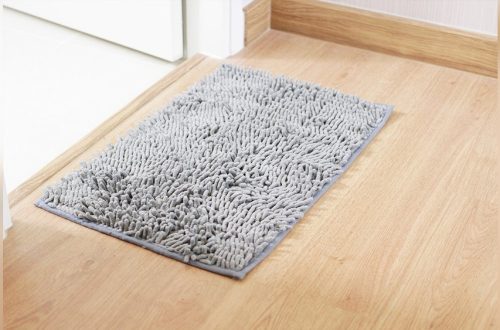
Bathroom rugs are soft and plush, perfect for cats to lie on. Cats like soft textures because they feel safe and cozy. The rug’s fibers can be similar to grass or dirt outside. This natural feel encourages cats to scratch or rest there. Comfort is key for cats. If the rug is warm and thick, it becomes a favorite spot.
Location And Accessibility
Bathrooms are quiet and private, ideal for cats to relax. Rugs placed near the toilet or sink are easy to reach. Cats like spots where they can watch their surroundings safely. The bathroom rug often lies near water sources, which cats find interesting. This location makes it a handy place for cats to pee if their litter box is less appealing.
How To Stop The Habit
Stopping your cat from peeing on the bathroom rug takes patience and care. Understanding the cause helps find the right solution. Focus on health, cleanliness, comfort, and making the rug less appealing. Small changes can make a big difference in your cat’s habits.
Medical Checkups
Visit the vet to rule out health problems. Urinary tract infections or kidney issues cause accidents. Early diagnosis prevents pain and stops unwanted behavior. Regular checkups keep your cat healthy and happy.
Litter Box Maintenance
Keep the litter box clean and fresh. Scoop waste daily and change litter weekly. Use unscented, clumping litter for best results. Provide enough boxes—one per cat plus one extra. A dirty box pushes cats to find other places.
Stress Reduction Techniques
Stress can make cats avoid the litter box. Create a calm environment with quiet spaces. Play with your cat to reduce anxiety. Use pheromone sprays or diffusers to soothe them. Consistent routines help cats feel safe and secure.
Cleaning And Deterrents
Clean the rug with enzyme cleaners to remove odors. Ordinary cleaners may leave scents cats recognize. Place aluminum foil or double-sided tape on the rug. Cats dislike the texture and avoid the area. Cover the rug or remove it temporarily to break the habit.
When To Seek Help
Noticing your cat peeing on the bathroom rug can be frustrating. Sometimes, this behavior signals a deeper issue. Knowing when to seek help is important for your cat’s health and your peace of mind.
If the problem continues or gets worse, do not wait. Some causes need expert care to stop this behavior and keep your cat safe.
Professional Veterinary Advice
Veterinarians check for health problems causing urination outside the litter box. Issues like urinary tract infections or bladder stones may cause this behavior. A vet exam can find these problems early.
Ignoring health issues can lead to pain and more accidents. A vet can also suggest treatments or medicine. This helps your cat feel better fast.
Behavioral Specialists
Sometimes, your cat’s peeing is due to stress or anxiety. Behavioral specialists understand cat habits and emotions. They can find reasons behind unwanted urination.
These experts give advice on changing your cat’s environment or routine. They teach how to reduce stress and improve litter box use. Following their tips can make your cat happy and clean again.
Frequently Asked Questions
Why Is My Cat Peeing On The Bathroom Rug?
Cats often pee on bathroom rugs due to stress, medical issues, or litter box problems. Rugs retain scent, attracting cats. Check your cat’s health, clean the litter box regularly, and reduce stress for better behavior.
Can Medical Problems Cause Cats To Pee Outside Litter Box?
Yes, urinary tract infections, bladder stones, or kidney issues can cause inappropriate urination. Always consult a vet if your cat suddenly pees outside the litter box to rule out medical causes.
How Can I Stop My Cat From Peeing On Bathroom Rugs?
Keep the litter box clean, provide multiple boxes, and place them in quiet areas. Use enzyme cleaners on rugs and reduce stress triggers. Consult a vet if behavior continues.
Does Litter Box Cleanliness Affect Cat’s Bathroom Habits?
Absolutely. Cats prefer clean litter boxes. Dirty boxes can lead to avoidance and accidents on rugs or floors. Scoop daily and change litter regularly for best results.
Conclusion
Cats peeing on bathroom rugs can be frustrating and confusing. Often, it signals health issues or stress your cat feels. Cleaning the rug well helps stop smells that attract your cat back. Providing a clean litter box in a quiet spot encourages good habits.
Watching your cat’s behavior can reveal problems early. Patience and care go a long way in fixing this issue. Understanding your cat’s needs keeps your home clean and your pet happy. Small changes can make a big difference for your cat’s comfort.