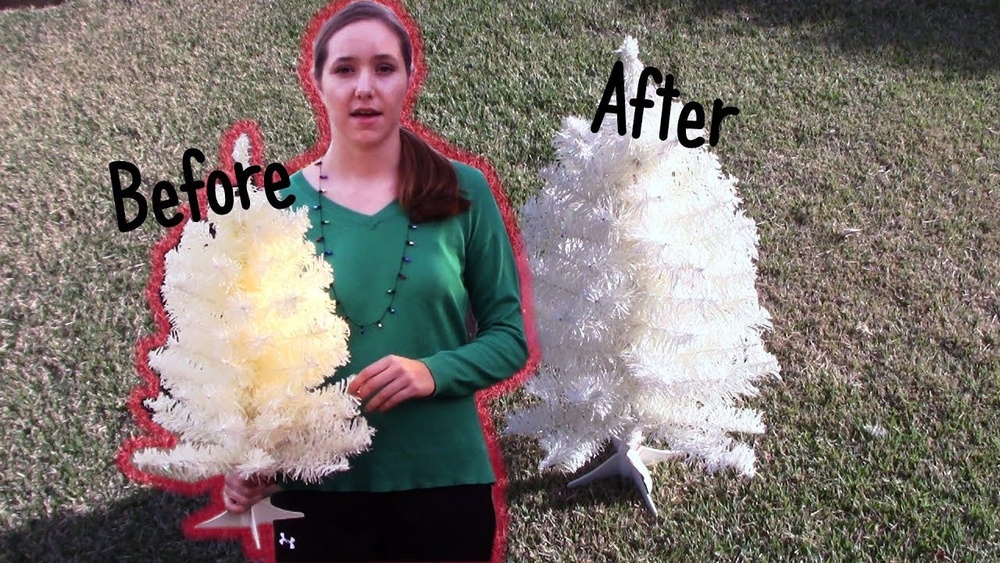
Have you ever set up your beautiful white artificial Christmas tree, only to notice it turning brown over time? It’s confusing and disappointing, especially when you want your holiday decorations to look perfect.
You might be wondering what caused this change and if there’s anything you can do to fix it. Understanding why your white tree turns brown can save you money and frustration, and help you keep your tree looking fresh year after year.
Let’s uncover the surprising reasons behind this color change and what you can do about it. Keep reading—you’ll want to know this before your next holiday season!

Credit: www.youtube.com
Common Causes Of Browning
White artificial Christmas trees can lose their bright color over time. Browning is a common problem that many people face. Several factors cause this color change. Understanding these causes helps protect your tree and keep it looking fresh.
Exposure To Heat Sources
Heat can damage the plastic needles of your tree. Placing the tree near heaters or fireplaces speeds up browning. The heat dries out the material, making it brittle and discolored. Keep your tree away from any direct heat source to prevent this.
Sunlight And Uv Damage
Sunlight contains UV rays that harm the tree’s color. UV rays break down the white coating on the branches. Over time, this causes the tree to turn brown or yellow. Store the tree in a shaded area or indoors away from windows.
Dust And Dirt Accumulation
Dust and dirt settle on the tree’s surface during storage and use. This grime can make the tree appear dull and brownish. Regular cleaning with a soft cloth or gentle vacuuming helps keep the tree bright and clean.
Moisture And Humidity Effects
Moisture causes the tree to discolor and develop mold or mildew. High humidity makes the artificial needles sticky and brown. Store the tree in a dry place with low humidity to avoid moisture damage.
Material Quality And Aging
Your white artificial Christmas tree may turn brown due to material quality and aging. The type of materials used affects how long the tree stays bright white. Over time, natural wear and chemical changes in the fibers can cause discoloration. Understanding these factors helps explain why your tree loses its color.
Low-quality Materials
Many white artificial trees use cheap plastics or fabrics. Low-quality materials fade faster under light and heat. Poor pigments or coatings may break down, causing brown spots. These materials also attract dust and dirt more easily. This leads to a dull, brownish appearance over time.
Natural Wear Over Time
Artificial trees age like real ones but in a different way. The white color fades as fibers break down from use. Exposure to sunlight and air speeds this process. Handling and storage can cause scratches or damage, revealing underlying colors. Browning is part of the natural wear and tear.
Chemical Reactions In Fibers
Some fibers react chemically to light, heat, or moisture. This reaction causes the white color to change to brown. Plasticizers and dyes in the materials may break down and discolor. Cleaning products or smoke exposure can trigger chemical changes. These reactions slowly turn your tree’s white needles brown.
Storage Mistakes That Lead To Discoloration
Storing your white artificial Christmas tree incorrectly can cause it to turn brown. Many storage mistakes lead to discoloration. Understanding these errors helps keep your tree looking fresh and bright year after year.
Poor storage conditions allow dirt, moisture, and pressure to damage the tree’s branches and needles. These factors cause the white color to fade or turn brown. Avoiding common storage mistakes can protect your tree’s appearance.
Improper Packaging
Using the wrong packaging can expose your tree to dust and dirt. Thin or open bags do not protect the branches well. Plastic bags that are not sealed allow moisture inside. Cardboard boxes without liners can also let in dust. Proper, tight packaging keeps the tree clean and dry.
Storage In Damp Areas
Storing your tree in damp places causes moisture buildup. Moisture leads to mold and mildew growth on the branches. These fungi cause brown spots and discoloration. Basements, garages, or closets with high humidity are risky spots. Choose dry, cool storage spaces instead.
Compressed Or Crushed Branches
Pressing the tree too tightly during storage damages the needles. Compressed branches lose their shape and color. Crushed parts turn brown over time. Avoid stacking heavy items on your stored tree. Store it loosely and gently to maintain its form and color.
Cleaning Tips To Restore Color
Cleaning a white artificial Christmas tree helps bring back its bright color. Dust, dirt, and time cause the tree to turn brown. Proper cleaning removes grime and restores whiteness. Use gentle methods to keep the tree safe and shiny. Follow simple steps to clean without damage.
Safe Cleaning Methods
Use a soft cloth or microfiber duster to remove dust. Lightly wipe branches without pressing hard. A vacuum with a brush attachment works well on loose dirt. Mix mild soap with water for deeper cleaning. Dip a cloth in the solution and gently clean the tree. Avoid soaking the tree to stop damage. Let the tree dry fully in a cool place.
Products To Avoid
Do not use bleach or harsh chemicals. These damage the tree’s color and plastic. Avoid abrasive cleaners or scrubbing pads. They scratch and harm the branches. Stay away from spray cleaners with strong scents. They may leave residue and cause discoloration. Use only gentle, non-toxic products for cleaning.
Diy Solutions For Whitening
Mix equal parts water and white vinegar for a natural cleaner. Spray lightly and wipe with a soft cloth. Baking soda with water makes a mild paste. Apply gently on brown spots and rinse after a few minutes. Lemon juice diluted with water also brightens the tree. Test any solution on a small branch first. This keeps the tree safe and clean.
Preventing Future Browning
Preventing your white artificial Christmas tree from turning brown is easier than you think. Proper care keeps the tree bright and fresh year after year. Small steps make a big difference in preserving its color and shape.
Optimal Storage Practices
Store your tree in a cool, dry place. Use a sturdy box or bag designed for artificial trees. Avoid crushing branches by storing it in its natural shape. Keep it away from damp areas to stop mold and discoloration.
Placement Away From Heat And Light
Place the tree far from heaters and direct sunlight. Heat dries out the material and causes browning. Sunlight fades the color and weakens the branches. Choose a cool spot indoors for the best results.
Regular Maintenance Routines
Dust the tree gently before and after use. Use a soft cloth or a low-power vacuum with a brush. Check for any damage or loose parts regularly. Clean the tree with mild soap and water if needed. This keeps it looking fresh and avoids dirt buildup.

Credit: julieloveshome.wordpress.com
When To Replace Your Tree
Knowing when to replace your white artificial Christmas tree saves time and effort. A tree that turns brown may lose its charm and look old. Some damage cannot be fixed. It’s best to act before the tree spoils your holiday spirit. Here are key points to help decide.
Signs Of Irreversible Damage
Check for brittle or broken branches that do not bounce back. Fading color that covers most of the tree signals wear. A strong, unpleasant smell means chemicals or mold may be present. Missing large chunks of needles also shows the tree is beyond repair. These signs mean replacement is necessary.
Choosing A Durable Replacement
Select a tree with sturdy, flexible branches. Look for quality materials that resist fading and bending. Opt for a tree with fire-retardant features for safety. Pick a size and style that fits your space and decor. A good tree lasts many years with proper care.
Eco-friendly Disposal Options
Recycle your old tree if your city offers pickup. Some stores accept used trees for reuse or recycling. Consider donating a tree in good condition to local groups. Avoid throwing it in regular trash to reduce landfill waste. Eco-friendly disposal helps protect the environment.
Credit: www.etsy.com
Frequently Asked Questions
Why Did My White Artificial Christmas Tree Turn Brown?
Your white artificial tree may turn brown due to dust, dirt, or prolonged sun exposure. Heat and humidity can also cause discoloration over time. Proper cleaning and storage help prevent browning and keep the tree looking fresh each season.
How Can I Clean A Brown Artificial Christmas Tree?
Use a soft cloth or brush to gently remove dust and dirt. A mild soap solution works well for stubborn stains. Avoid harsh chemicals that can damage the tree’s material or color.
Can Sunlight Cause White Artificial Trees To Turn Brown?
Yes, prolonged exposure to direct sunlight can cause fading and browning. UV rays break down the tree’s materials, leading to discoloration. Keep your tree away from windows or use UV-protective covers.
Is Browning Permanent On Artificial Christmas Trees?
Browning may be permanent if caused by material degradation. However, surface dirt and dust can be cleaned off. Regular maintenance helps reduce permanent discoloration and extends the tree’s lifespan.
Conclusion
A white artificial Christmas tree can turn brown for many reasons. Dust, sunlight, and age all play a role. Cleaning your tree gently helps keep it bright. Storing it properly avoids damage and discoloration. Taking care of your tree extends its beauty each year.
Enjoy the festive season with a fresh, white tree!