Have you ever noticed your Himalayan salt lamp suddenly stopped working? It’s frustrating when the warm glow you love goes dark, and often, the culprit is the cord.
You might wonder, why did the cord for your Himalayan salt lamp go bad so quickly? Understanding the common reasons behind this can save you time, money, and hassle. Keep reading, because we’re about to uncover what causes these cords to fail and how you can prevent it from happening again.
Your cozy, soothing light is closer than you think!
Credit: himalayantradingco.com
Common Causes Of Cord Damage
The cord of a Himalayan salt lamp can stop working for several reasons. Knowing the common causes helps you avoid damage. It also helps you fix the problem faster. Understanding these causes keeps your lamp safe and working well.
Wear And Tear Over Time
The cord may wear out after long use. Bending or twisting the cord weakens the wires inside. Small cracks or breaks can form. This damage stops electricity from flowing properly. Old cords lose their strength and need replacement.
Exposure To Moisture
Salt lamps often release moisture due to the salt’s nature. This moisture can harm the cord and plug. Water can cause rust or short circuits inside the cord. Wet cords are dangerous and may stop working. Keeping the cord dry is very important.
Electrical Overload
Using the wrong bulb or voltage can cause overload. Too much power heats the cord and damages it. Overheating melts the insulation around the wires. This damage creates a fire risk and breaks the cord. Use the correct bulb and power source only.
Poor Quality Materials
Low-quality cords break more easily. Cheap wires and insulation wear out fast. These cords fail even with careful use. Investing in a good cord means better safety and longer life. Quality materials protect your lamp and your home.
Signs Of A Faulty Cord
The cord of a Himalayan salt lamp can wear out over time. Noticing the signs early helps avoid bigger problems. A faulty cord can be unsafe and stop your lamp from working. Watch for these clear signs that show your cord might be bad.
Visible Fraying Or Cracks
Check the cord closely for any frays or cracks. These show the cord’s outer layer is damaged. Exposed wires inside can cause electric shocks or short circuits. A cord with visible damage needs immediate replacement.
Intermittent Lighting
The lamp flickers or turns on and off by itself. This means the cord may have loose connections inside. Movement or bending can break wires, causing the light to fail sometimes. Unsteady lighting is a clear warning of cord problems.
Burning Smell Or Heat
A burning smell near the cord is dangerous. The cord might overheat or have electrical faults. Heat or melted plastic on the cord is a serious issue. Stop using the lamp until the cord is checked or replaced.
Cord Not Powering The Lamp
The lamp does not light up at all. The power may not reach the bulb because of a broken cord. Testing the cord with another lamp can confirm this. No power means the cord is likely faulty and needs fixing.
Safety Precautions Before Repair
Safety comes first before fixing the cord of your Himalayan salt lamp. Handling electrical parts needs care. Taking the right steps can stop accidents and damage. Follow these simple safety tips before starting any repair work.
Unplugging The Lamp
Always unplug the lamp from the power source. This stops electric shock risks. Do not touch the cord or lamp while it is plugged in. Make sure the plug is fully out before checking the lamp.
Inspecting For Damage
Look closely at the cord and lamp base. Check for cuts, frayed wires, or burns. These signs show the cord is unsafe to use. Inspect the socket and bulb too. Replace any damaged parts before use.
Avoiding Water Contact
Keep the lamp and cord away from water. Water and electricity do not mix well. Do not repair the lamp with wet hands. Make sure the area is dry to prevent shocks and short circuits.
Diy Fixes For Cord Issues
Fixing the cord of your Himalayan salt lamp can save money and time. Many cord problems have simple solutions. Basic tools and a little patience can help you fix the lamp yourself. Below are easy DIY fixes to repair common cord issues.
Replacing The Plug
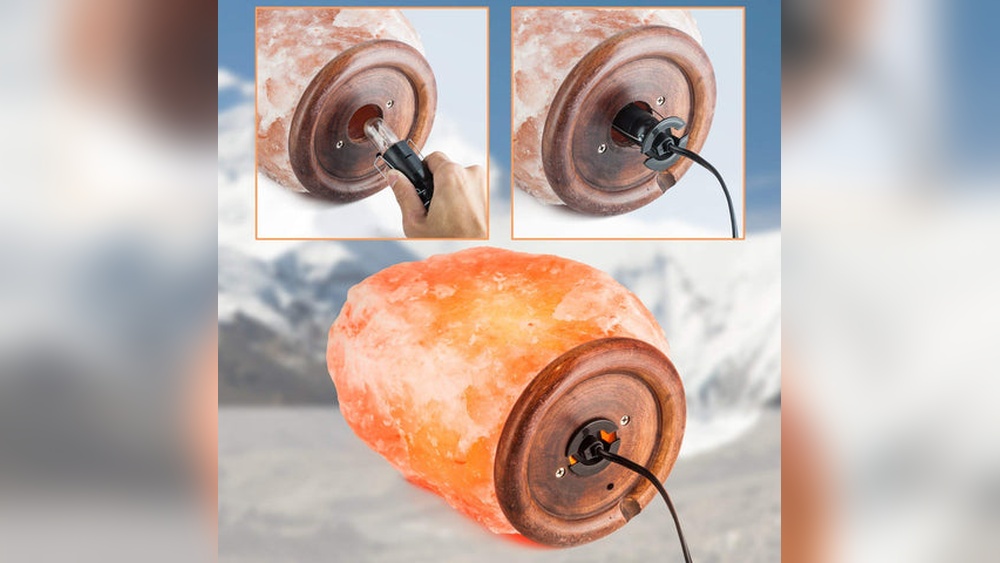
Start by unplugging the lamp from the socket. Cut off the damaged plug using wire cutters. Strip about half an inch of insulation from the wires. Attach a new plug by connecting the wires to the correct terminals. Tighten the screws to hold the wires firmly. Make sure the colors match: black to live, white to neutral, and green to ground. Test the lamp by plugging it in carefully.
Using Electrical Tape For Minor Damage
Small cuts or nicks in the cord can be fixed with electrical tape. Unplug the lamp before starting. Clean the area around the damage. Wrap the tape tightly around the cord to cover the exposed wire. Overlap the tape to create a strong seal. This prevents short circuits and protects from shocks. Replace the tape if it loosens or wears out.
Rewiring The Cord
Severe damage may need rewiring the entire cord. Remove the old cord by unscrewing the lamp base. Detach the wires connected to the bulb socket carefully. Get a new cord of the same length and type. Strip the wire ends and connect them to the socket. Secure the connections with wire nuts or screws. Reassemble the lamp base tightly. Test the lamp to ensure it works well.
When To Replace The Cord Completely
Knowing when to replace the cord of your Himalayan salt lamp is important. A damaged cord can cause problems and even danger. Replacing the cord at the right time keeps your lamp working safely and well.
Extensive Damage Signs
Look for cracks, frays, or cuts on the cord. Exposed wires show clear damage. Burn marks or melted parts mean the cord is unsafe. Any visible damage means it is time to replace the cord fully.
Frequent Malfunctions
The lamp flickers or does not turn on consistently. The cord feels hot during use or causes sparks. These signs point to internal issues. Replacing the cord can fix these repeated problems and avoid failure.
Safety Concerns
A faulty cord can cause electric shock or fire. Do not ignore any smells of burning or unusual heat. Replace the cord immediately to protect your home and health. Safety must be your top priority with electrical items.
Credit: himalayantradingco.com
Preventing Future Cord Problems
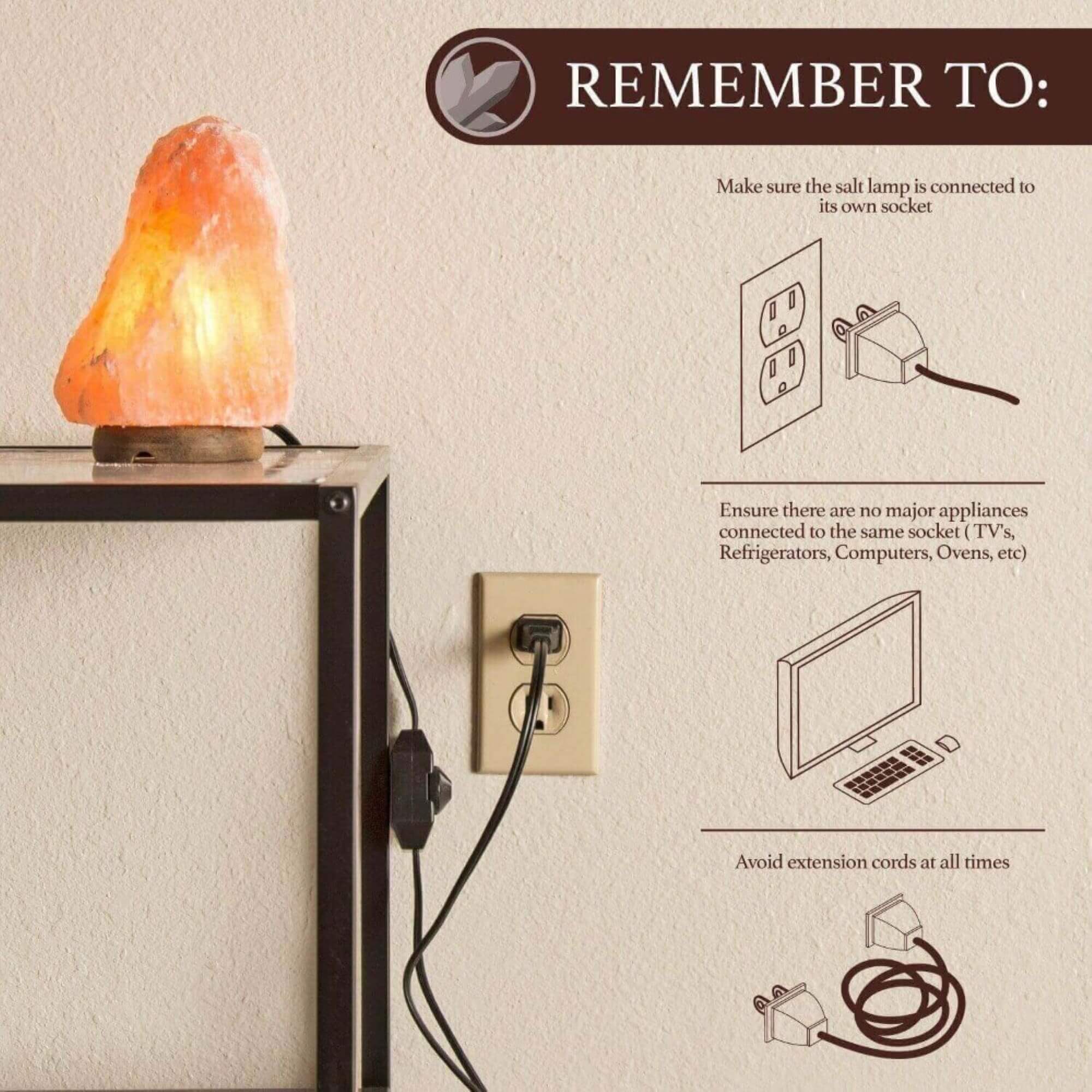
Preventing future cord problems is key to enjoying your Himalayan salt lamp safely. Taking simple steps helps keep the cord in good shape. This also extends the lamp’s life. Small efforts make a big difference.
Proper Placement Of The Lamp
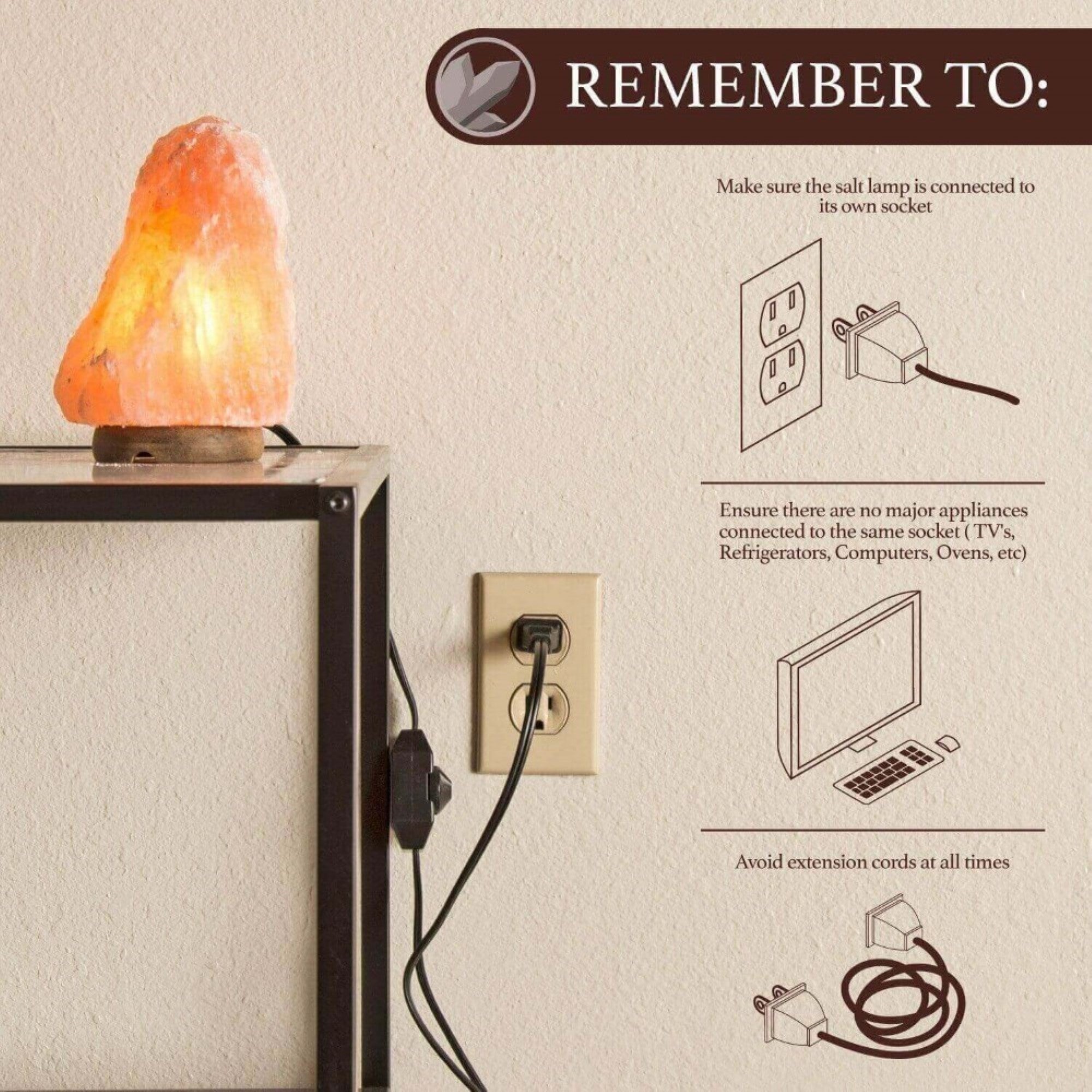
Place the lamp where the cord won’t bend sharply. Avoid tight spaces that pinch the cord. Keep it away from water and heat sources. This prevents wear and tear on the cord. A safe spot protects both the lamp and your home.
Regular Maintenance Checks
Check the cord often for signs of damage. Look for cracks, frays, or loose connections. Clean the cord gently to remove dust. Early checks catch problems before they grow. Regular care keeps the lamp working well.
Using Quality Replacement Parts
Choose replacement cords made for Himalayan salt lamps. Avoid cheap or generic parts that may not fit well. Quality parts ensure safe and steady power flow. This reduces the risk of cord failure. Invest in good parts for long-term use.
Credit: www.thesaltlampshop.com.au
Frequently Asked Questions
Why Does The Cord On My Himalayan Salt Lamp Fail?
The cord may fail due to wear, poor quality, or exposure to moisture. Salt lamps often attract humidity, which can corrode the wiring and cause damage over time.
How Can Moisture Damage Himalayan Salt Lamp Cords?
Moisture causes corrosion in the metal parts of the cord. Salt lamps naturally release moisture, increasing the risk of rust and electrical failure in the cord.
What Are Signs Of A Bad Cord On Salt Lamps?
Signs include flickering light, exposed wires, burning smell, or the lamp not turning on. These indicate the cord needs replacement for safety and proper function.
Can Poor Cord Quality Cause Himalayan Salt Lamp Issues?
Yes, low-quality cords can degrade faster and pose safety risks. Investing in a high-quality cord ensures better durability and prevents electrical problems.
Conclusion
A cord for a Himalayan salt lamp can go bad from wear or poor quality. Dirt, moisture, or overheating also cause damage. Check your cord often to avoid safety risks. Replace it with a proper, sturdy cord if needed. Taking care of your lamp keeps it working well longer.
Small actions help you enjoy the lamp’s soft glow safely every day. Remember, a good cord means a safe and bright lamp.