Have you ever noticed your Himalayan salt lamp looking a bit soggy or even melting? It can be confusing and worrying when something you love starts to change like that.
You might wonder, “Why is this happening to my salt lamp? ” Understanding why your Himalayan salt lamp melts can help you take better care of it and keep it glowing beautifully for years. Keep reading, because uncovering the simple reasons behind this mystery will make you feel more confident and in control of your cozy space.

Credit: www.reddit.com
Nature Of Himalayan Salt Lamps
Himalayan salt lamps are natural products made from salt crystals. They have a unique look and texture. These lamps glow softly when lit, creating a warm atmosphere.
Understanding why they sometimes melt helps us care for them better. Their nature is key to this behavior. The salt’s structure and how it reacts to moisture explain this melting effect.
Composition And Structure
Himalayan salt lamps are carved from large salt rocks. These rocks come from ancient salt mines. They contain minerals like sodium chloride and trace elements. The structure is porous, with tiny holes inside. This makes the lamp absorb moisture from the air.
The salt crystals are brittle but solid. Heat from the lamp’s bulb warms the salt. This heat can cause the salt to change slightly over time. The natural composition means the lamp is always reacting to its environment.
Salt’s Hygroscopic Properties
Salt has a strong ability to attract water. This property is called hygroscopic. It pulls moisture from the air and holds it on the surface. In humid places, this effect is stronger.
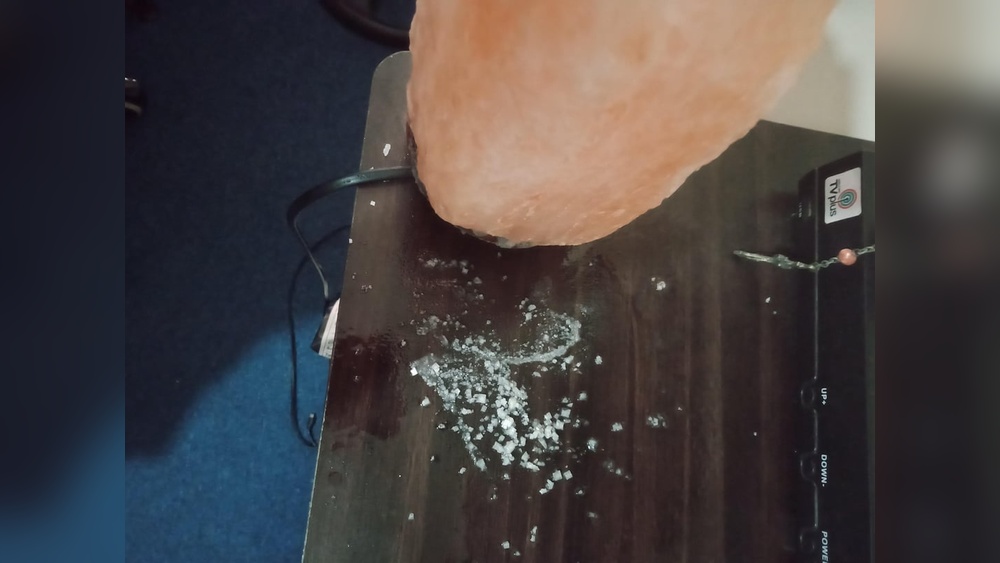
The lamp can look wet or start to drip water. Heat from the bulb then causes the salt to dissolve slowly. This is why the lamp appears to melt. Understanding this helps in placing and maintaining the lamp properly.
Environmental Factors Causing Melting
Himalayan salt lamps can melt due to various environmental factors. These factors affect the salt’s structure and cause it to lose its shape. Understanding these causes helps protect your lamp and keep it lasting longer.
Humidity And Moisture Exposure
Salt naturally attracts water from the air. High humidity makes the salt absorb more moisture. This causes the salt lamp surface to become wet and soft. Over time, the constant moisture can make the salt dissolve and melt.
Placing the lamp in damp areas, like bathrooms or kitchens, increases this risk. Using a dry cloth to wipe the lamp helps reduce moisture buildup. Keeping the lamp away from water sources also protects it.
Temperature Fluctuations
Sudden changes in temperature affect the salt lamp’s stability. Warm temperatures cause the salt to expand, while cold temperatures cause it to contract. This constant change can weaken the salt structure.
Turning the lamp on warms it, helping to evaporate some moisture. But if the room gets cold quickly, it can cause condensation on the lamp. This moisture can speed up the melting process.
Keeping the lamp in a stable temperature environment reduces these risks. Avoid placing the lamp near heaters or air conditioners.
Heat Source Impact
Heat plays a key role in why Himalayan salt lamps sometimes melt. These lamps hold a light bulb inside. The bulb produces heat. This heat affects the salt around it. Salt is sensitive to temperature changes. Too much heat causes the salt to lose its solid form. It starts to soften and melt slowly. Understanding how the heat source impacts the lamp helps avoid damage.
Bulb Heat Emission
The light bulb inside the lamp gives off heat as it glows. The bulb’s heat warms the salt from the inside. Small bulbs emit less heat and are safer for the salt. Larger or higher watt bulbs create more heat. This extra heat raises the salt’s temperature too much. The salt begins to break down and melt. Using the right bulb size controls the heat.
Effects Of Prolonged Usage
Keeping the lamp on for many hours causes constant heat exposure. Salt absorbs moisture from the air and heats up. Over time, heat and moisture cause salt to dissolve slowly. The lamp may become wet or sticky on the surface. Prolonged heat weakens the salt structure. This leads to melting or crumbling. Turning off the lamp periodically helps preserve the salt.

Credit: himalayantradingco.com
Common Mistakes Leading To Melting
Himalayan salt lamps can melt if not cared for properly. Many people make common mistakes that cause this issue. Understanding these errors helps keep your lamp safe and long-lasting.
Improper Placement
Placing your salt lamp in a humid area makes it absorb moisture. Bathrooms and kitchens are often too wet. This extra water can slowly dissolve the salt. Avoid spots near windows where rain or condensation may reach the lamp.
Direct sunlight can also cause problems. Heat makes the salt sweat and soften. Keep your lamp in a cool, dry place to prevent melting.
Inadequate Maintenance
Salt lamps need regular cleaning and drying. Wiping with a wet cloth adds moisture, which can melt the salt. Use a dry or slightly damp cloth instead.
Turn the lamp on regularly. The heat from the bulb helps evaporate any absorbed moisture. Leaving it off for long times in damp places increases melting risk.
Preventing Salt Lamp Melting
Preventing salt lamp melting is key to keeping your lamp safe and long-lasting. Salt lamps can absorb moisture from the air. This moisture causes the salt to dissolve slowly. Avoiding excess moisture and heat helps prevent melting. Proper care and placement keep the lamp stable and dry. Small steps protect your lamp’s beauty and function.
Optimal Placement Tips
Place your salt lamp in a dry room. Avoid bathrooms or kitchens where moisture is high. Keep it away from open windows during rain. Use a flat, sturdy surface to hold the lamp. Avoid placing it near heaters or air conditioners. These can cause uneven heat and melting. A low humidity area helps the lamp stay solid. Keep the lamp on while using it to reduce moisture buildup.
Regular Care And Cleaning
Turn off the lamp and unplug before cleaning. Use a dry cloth to wipe the salt surface gently. Avoid water or wet cloths to stop salt dissolving. Clean the base and bulb area carefully. Check the lamp for dampness or leaks often. If the lamp feels wet, wipe it dry quickly. Regular care keeps the salt firm and shining. Dust and dirt removal improves the lamp’s glow.
Signs Your Salt Lamp Is Melting
Salt lamps are popular for their warm glow and calming effect. But sometimes, they start to melt. Recognizing the signs helps you protect your lamp and keep it beautiful. Here are the common signs your Himalayan salt lamp is melting.
Visible Water Droplets
One clear sign is water droplets on the lamp’s surface. Salt attracts moisture from the air. This causes tiny water drops to form. You might notice wet spots or a slight shine on your lamp. These droplets can drip onto furniture or floors. Catching this early prevents damage to your lamp and surroundings.
Structural Changes
The shape of your salt lamp may change over time. Look for small cracks or soft spots on the surface. The lamp might feel damp or fragile in certain areas. It could lose its sharp edges and look smoother or worn. These changes show the salt is dissolving. Acting fast can save your lamp from severe melting.

Credit: clasterior.co.uk
Frequently Asked Questions
Why Do Himalayan Salt Lamps Melt Indoors?
Himalayan salt lamps melt indoors due to heat from the bulb. The warm bulb causes the salt to absorb moisture, leading to surface melting. High humidity also accelerates this process. Proper ventilation and using low-watt bulbs reduce melting and extend lamp life.
Can Humidity Cause Himalayan Salt Lamps To Melt?
Yes, high humidity causes Himalayan salt lamps to melt faster. Salt absorbs moisture from the air, which leads to surface dissolution. Using a dehumidifier or keeping lamps in dry areas helps prevent melting and maintains their structural integrity.
Does The Bulb Wattage Affect Salt Lamp Melting?
Bulb wattage directly affects salt lamp melting. Higher watt bulbs generate more heat, increasing moisture absorption and melting risk. Using low-watt bulbs (15W or less) helps maintain lamp stability and prevents excessive melting while still providing illumination.
How To Prevent Himalayan Salt Lamps From Melting?
To prevent melting, use low-watt bulbs and avoid placing lamps in humid areas. Keep lamps on wooden or dry surfaces and wipe off moisture regularly. Proper care reduces melting, preserving the lamp’s appearance and health benefits.
Conclusion
Salt lamps melt because of moisture and heat combined. Warm air causes the salt to absorb water from the environment. This process makes the salt surface wet and soft. Over time, the salt starts to dissolve and drip. Using lamps in humid places speeds up melting.
Keeping lamps dry helps them last longer. Place lamps on a cloth or coaster to protect surfaces. Regular cleaning prevents buildup of moisture and dirt. Understanding why salt lamps melt helps you care for them better. Simple steps keep your lamp glowing and safe for years.