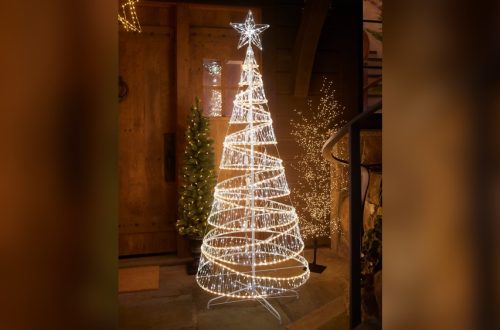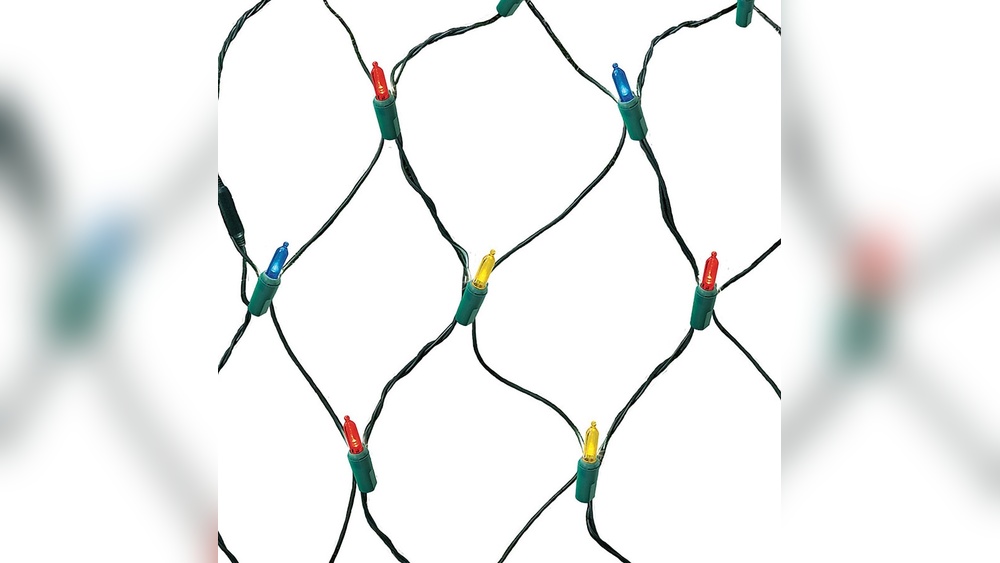
Have you ever hung up your LED light strings with excitement, only to find them flickering or completely dead after a short time? It’s frustrating when your beautiful lights don’t last as long as you expect.
You might wonder why these energy-saving bulbs fail so often, despite their reputation for durability. Understanding the common reasons behind their early burnout can save you time, money, and stress. Keep reading to discover what’s really causing your LED light strings to die so quickly—and how you can keep your lights shining bright for much longer.
Credit: www.newyorker.com
Common Causes Of Led Light String Failures
LED light strings brighten homes and events with vibrant colors. Yet, many users face frequent failures. Understanding common causes helps fix problems fast. It also helps choose better products for longer use.
Failures often come from simple issues. These issues affect the electrical flow and the LED bulbs’ life. Knowing these causes helps avoid wasting money and time.
Faulty Wiring And Connections
Loose wires and bad connections stop electricity from flowing. Small breaks or poor joins cause flickering or total failure. Wires can break inside the plastic cover due to bending or pulling. Checking and securing wires keeps lights working longer.
Poor Quality Components
Cheap LEDs and parts wear out quickly. Low-quality bulbs burn out or lose brightness fast. Power supplies and circuits may fail too soon. Buying trusted brands ensures parts last longer and work better.
Exposure To Moisture
Water or humidity damages LED light strings easily. Moisture causes rust and short circuits in wiring. Outdoor lights without waterproofing are at high risk. Keep lights dry or use waterproof models for safety and durability.
Overheating Issues
LEDs produce some heat while working. Poor design or tight spaces trap this heat. Overheating burns out bulbs and wiring faster. Proper ventilation and quality design reduce heat problems and extend light life.
How Led Light Strings Work
Understanding how LED light strings work helps explain why they fail often. These strings use tiny light bulbs called LEDs. Each LED needs the right amount of power to glow. Too much or too little power can cause problems. The way electricity flows through the string affects its lifespan.
The design of LED strings includes parts that control electricity. These parts help protect the LEDs. If any part fails, the whole string can stop working. Knowing the basics of how electricity moves and the roles of resistors and drivers is key.
Basic Electrical Principles
Electricity flows through the LED string like water in a pipe. The LEDs are connected in a series or parallel circuit. In a series, one LED failure can break the circuit. In parallel, other LEDs keep working if one fails.
LEDs need direct current (DC) to work properly. Many light strings use alternating current (AC) from the power source. A converter inside changes AC to DC. Without this change, LEDs can burn out quickly.
Role Of Resistors And Drivers
Resistors control the amount of current flowing to each LED. They stop too much current that can damage the bulbs. Without resistors, LEDs can overheat and fail fast.
Drivers regulate voltage and current for the entire string. They adjust power levels to keep LEDs safe. A poor-quality driver can cause flickering or early failure. Good drivers extend the life of LED light strings.
Signs Your Led String Is Dying
LED light strings brighten up homes and events with ease. They save energy and last longer than old bulbs. Yet, they can stop working sooner than expected. Knowing the signs helps you act fast. Catching problems early avoids full failure and saves money.
Flickering Lights
Flickering means the lights blink on and off quickly. This happens when wires are loose or damaged. It can also mean a bad connection in the string. Flickering is a clear sign the LED string is failing.
Dim Or Uneven Illumination
Lights that look dim or uneven show power issues. Some bulbs may glow less bright than others. This happens when LEDs wear out or wires weaken. Dim spots warn that the string is losing its strength.
Complete Failure Of Sections
Sometimes parts of the string stop lighting up. One section might be dark while others stay bright. This means some bulbs or wires are broken. This failure tells you the string needs repair or replacement soon.

Credit: www.lampsplus.com
Preventing Premature Led String Failures
Preventing premature failures of LED light strings extends their life and saves money. Small mistakes during purchase, setup, or care often cause early breakdowns. Taking steps to avoid these common errors helps keep lights bright and lasting longer.
Choosing High-quality Products
Select LED string lights with strong materials and good reviews. Cheap products may use low-grade wiring and bulbs. Look for brands that offer warranties. Certified products meet safety and performance standards. Quality lights resist weather and handle power fluctuations better.
Proper Installation Techniques
Install lights carefully to avoid damage. Avoid pulling or twisting the wires. Use appropriate clips or hooks instead of nails or staples. Connect strings as recommended by the manufacturer. Keep plugs and sockets dry and protected from rain. Overloading outlets increases risk of failure.
Regular Maintenance Tips
Check lights often for loose connections or broken bulbs. Clean dust and dirt gently with a soft cloth. Replace faulty bulbs quickly to prevent chain failure. Store lights in a cool, dry place when not used. Proper care keeps electrical parts safe and working well.
When To Repair Vs. Replace
Deciding whether to repair or replace LED light strings depends on several factors. This choice affects cost, safety, and the lifespan of your lights. Knowing when to fix and when to buy new helps save money and effort.
Assessing Damage
Look closely at the LED light string. Check for broken bulbs, frayed wires, or burnt spots. Small issues like a loose bulb can be fixed easily. Large damage to wiring or many dead bulbs means replacement is better. Also, test if the string still lights up partially.
Cost-effectiveness Of Repairs
Compare repair costs to the price of a new set. Simple fixes like replacing bulbs or fuses cost little. Complex repairs may need tools or electrician help, increasing expenses. If repair costs reach half the price of new lights, buying new is smarter. New strings come with warranties and last longer.
Safety Considerations
Damaged LED strings can cause shocks or fires. Frayed wires and exposed circuits are risky. Avoid using lights with visible damage. Repair only if you know the correct safety steps. Otherwise, replacement ensures safer use. Always check the power source and connectors for damage too.

Credit: commercialchristmassupply.com
Innovations Improving Led Light String Durability
LED light strings often fail due to weak parts and poor design. New technology helps make these lights last longer. Innovations focus on better materials, smarter circuits, and strong protection from water. These changes aim to stop common problems and keep lights shining bright for years.
Advanced Materials
Manufacturers use stronger plastics and metals for LED light strings. These materials resist heat and bending. They prevent cracks and breaks that cause failures. High-quality wires also carry electricity better without overheating. This improves the overall life of the light strings.
Improved Circuit Designs
Modern LED strings include better circuit layouts. They protect against power surges and shorts. Some designs isolate sections, so one failure does not darken the whole string. These circuits use fewer parts, reducing the chance of errors. This makes the lights more reliable and durable.
Waterproofing Technologies
Water can damage LED light strings quickly. New waterproof coatings and seals keep moisture out. These technologies allow lights to work safely outdoors. Waterproof plugs and connectors also stop corrosion. This protection extends the lifespan of the light strings in wet conditions.
Frequently Asked Questions
Why Do Led Light Strings Fail Quickly?
LED light strings often fail due to poor wiring, cheap materials, or exposure to moisture. Overheating and voltage spikes also cause early burnout. Proper handling and quality products can extend their lifespan.
How Does Weather Affect Led Light Strings?
Weather, especially rain and humidity, can damage LED light strings. Water can short-circuit connections and cause corrosion. Using waterproof or outdoor-rated strings helps prevent weather-related failures.
Can Improper Installation Kill Led Light Strings?
Yes, improper installation like overloading outlets or using wrong voltage harms LED light strings. It causes overheating and electrical damage. Following manufacturer instructions ensures longer-lasting lights.
Do Cheap Led Light Strings Die Faster?
Cheap LED light strings usually use low-quality components that fail sooner. They lack proper insulation and durability. Investing in reputable brands improves reliability and lifespan.
Conclusion
LED light strings often fail due to poor quality or wrong use. Heat, moisture, and bad wiring shorten their life. Choosing good brands and handling lights gently helps a lot. Avoid overloading circuits or bending wires sharply. Regular checks can catch problems early.
Taking these steps keeps your lights bright longer. Bright decorations last when cared for properly. Simple care makes a big difference in LED lifespan. Remember, small actions extend your string lights’ glow.