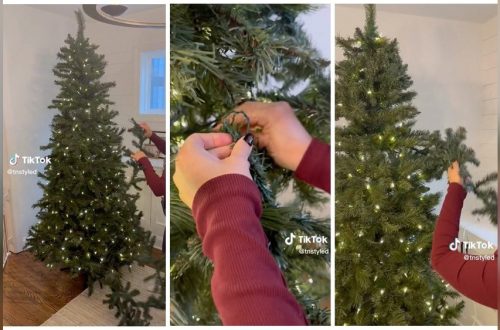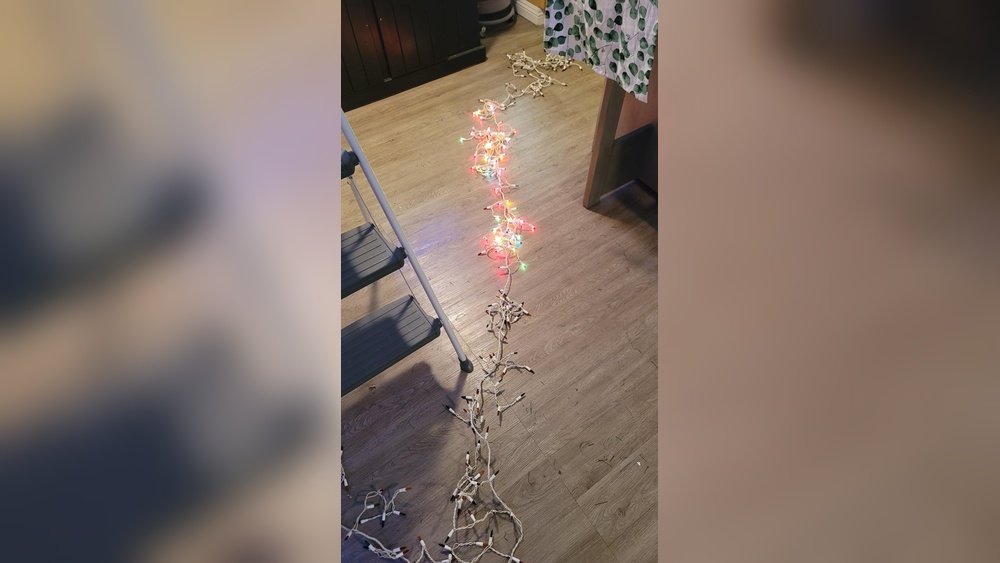
Have you ever plugged in your string of lights, only to find that half of them won’t turn on? It’s frustrating, especially when you’re trying to create a warm, festive atmosphere.
You might wonder if the whole set is broken or if there’s a simple fix. The good news is, you’re not alone, and the problem is often easier to solve than you think. Keep reading, and you’ll discover why this happens and how you can get your lights shining bright again in no time.
Common Causes Of Half Lights Out
Half of your string of lights not working can be frustrating. Several common problems cause this issue. Understanding these can help you fix your lights quickly. Here are the main causes to check.
Burnt Out Bulbs
One burnt out bulb can stop half the lights from shining. Many strings work in sections, so one bulb affects a group. Check each bulb carefully. Replace any bulbs that look dark or broken.
Faulty Wiring
Wiring inside the string may become damaged or broken. This stops electricity from flowing to half the lights. Look for frayed wires or cuts. Avoid using damaged strings as they can be unsafe.
Blown Fuses
Each plug has a small fuse that protects the lights. A blown fuse can cause half the string to lose power. Check the fuse in the plug. Replace it with the same type if it is blown.
Loose Connections
Loose bulbs or connectors can break the circuit. Gently press bulbs and connectors to ensure they fit tightly. Loose parts often cause half the lights to go out. Secure all connections for full lighting.
Credit: www.reddit.com
How String Lights Are Wired
Understanding how string lights are wired helps explain why half might not work. Wiring controls how electricity flows through each bulb. Different wiring methods cause different problems and effects.
Series Wiring Basics
In series wiring, bulbs connect one after another. Electricity flows through each bulb in a single path. If one bulb burns out, the circuit breaks. This stops electricity, so all bulbs after the broken one go dark. This wiring is common in older light strings.
Parallel Wiring Differences
Parallel wiring connects bulbs across the same power source. Each bulb gets electricity independently. If one bulb fails, others keep working. This wiring is safer and more reliable. Modern string lights often use parallel wiring to avoid total outages.
Impact On Light Function
Series wiring means one bad bulb can darken many lights. Half of the string may stop working if the circuit breaks there. Parallel wiring limits outages to single bulbs only. Knowing wiring type helps fix or replace bulbs correctly.
Quick Fixes For Burnt Out Bulbs
Quick fixes for burnt out bulbs can bring your string of lights back to life fast. Many times, half of the lights go out because one bulb has failed. Finding and fixing this bulb saves time and money. Simple steps can make your lights shine again without hassle.
Identifying The Dead Bulb
First, look closely at each bulb. A burnt out bulb often looks dark or broken. Sometimes, the filament inside is visibly damaged. Gently press each bulb to check if it is loose. A dead bulb usually causes the entire section to stop working.
Replacing Bulbs Safely
Always unplug the string of lights before replacing bulbs. Handle bulbs with care to avoid breaking them. Use gloves or a cloth to protect your hands. Insert the new bulb firmly but do not force it. Check that the replacement matches the original bulb’s size and voltage.
Using Replacement Bulb Kits
Replacement kits come with bulbs and simple instructions. They often include bulbs of different colors and sizes. Choose the kit that fits your string of lights. These kits make it easy to swap out dead bulbs quickly. Keep a kit handy for quick repairs anytime.
Troubleshooting Wiring Issues
Wiring issues often cause half of a string of lights to stop working. Small problems with wires can break the flow of electricity. Fixing these issues helps restore the lights quickly. Start by checking the most common wiring problems. This saves time and effort.
Inspecting For Damage
Look closely at the wire for cuts or cracks. Even tiny damage can stop the lights from working. Check the entire length of the string. Pay special attention to areas that bend or twist. Damage may not be easy to see. Use a flashlight if needed.
Securing Loose Connections
Loose connections often cause partial outages. Check each bulb socket for a firm fit. Gently push bulbs back into place if loose. Look at the plugs and connectors too. Tighten any loose plugs or wires carefully. A steady connection lets electricity flow well.
Testing With A Multimeter
A multimeter helps find breaks inside wires. Set it to test continuity. Touch the probes to both ends of a wire section. A beep or reading shows the wire is good. No beep means a break or fault. Test each segment until you find the bad part.
Replacing And Resetting Fuses
Replacing and resetting fuses can fix many problems with string lights. Fuses protect the lights from power surges and can blow out. When half of your string of lights does not work, a blown fuse is often the cause. Checking and changing fuses is simple and can bring your lights back to life quickly.
Locating The Fuse Compartment
First, find the fuse compartment on your string of lights. It is usually inside the plug or near the plug end. Look for a small sliding or snap-open door. Sometimes the compartment is marked with “fuse” or a small symbol. Use a small flat tool if needed to open it carefully.
Choosing The Right Fuse
Check the old fuse before buying a new one. The fuse will have numbers showing its rating, such as 3A or 5A. Always replace it with the exact same type and rating. Using the wrong fuse can damage the lights or cause safety risks. Keep spare fuses on hand for quick fixes.
Resetting Tips
After replacing the fuse, close the compartment securely. Plug the lights back in and test them. If they still do not work, try resetting the fuse again. Sometimes gently tapping the fuse or unplugging the lights for a few minutes helps. Avoid forcing the fuse or the compartment to prevent damage.
Credit: www.reddit.com
Preventive Tips To Avoid Future Issues
Preventive tips help keep your string lights working longer. Simple care and smart use stop many common problems. Follow these easy steps to avoid future issues with your lights.
Proper Storage Techniques
Always store lights in a dry, cool place. Avoid tight coils or bending the wires sharply. Use a spool or wrap them loosely to prevent damage. Keep lights away from heavy objects that can crush them.
Avoiding Overloading Circuits
Check the maximum number of light strings on one outlet. Do not connect too many strings together. Overloading can cause lights to fail or blow fuses. Use multiple outlets or power strips with surge protection.
Regular Maintenance Checks
Inspect your lights before use every season. Look for broken bulbs, frayed wires, and loose connections. Replace damaged bulbs and fix loose parts promptly. Clean bulbs gently to remove dust and dirt for better glow.

Credit: www.youtube.com
Frequently Asked Questions
Why Does Half My String Of Lights Stop Working?
Half of your string lights may stop working due to a single bulb failure or a loose connection. Many strings are wired in series, so one faulty bulb can break the circuit and affect part of the lights.
How Can I Fix Half Of My String Lights Not Working?
Check for loose or burnt-out bulbs and replace them. Inspect the wiring for damage. Sometimes, reseating or replacing the faulty bulb restores the entire string’s function.
Are Faulty Bulbs The Main Cause Of String Lights Failing?
Yes, faulty or burned-out bulbs are often the main reason. In series wiring, one bad bulb can interrupt power flow and cause half the lights to go out.
Can Wiring Issues Cause Half Of String Lights To Fail?
Absolutely. Damaged or frayed wiring can break the electrical circuit, leading to partial or complete failure of the string lights.
Conclusion
Half of your string of lights not working often means a simple fix. Check for loose bulbs or broken wires first. Replace any burnt-out bulbs to restore the glow. Sometimes, a faulty fuse inside the plug causes the issue. Testing each bulb can help find the problem quickly.
Taking small steps can save time and money. Brighten your space again with a little care and patience. Don’t let dim lights spoil your festive mood. Keep your lights shining bright all season long.