Have you ever noticed tiny droplets forming on your Himalayan salt lamp and wondered, “Why does my salt lamp sweat?” It’s a curious and sometimes confusing sight. You might worry that something’s wrong or that your lamp is damaged.
But the truth is, this sweating is a natural part of how your salt lamp works. Understanding why your lamp sweats can help you keep it in great shape and enjoy its warm, calming glow without any worries. Let’s uncover the simple science behind this mysterious moisture and find out what you can do about it.
What Causes Salt Lamp Sweating
Salt lamps sometimes appear wet or damp on the surface. This common issue is known as “sweating.” Understanding why this happens helps you take better care of your lamp. The cause lies in the nature of the salt and environmental conditions.
Salt’s Hygroscopic Nature
Himalayan salt naturally attracts water from the air. This property is called hygroscopic. Salt crystals pull moisture from the environment. This moisture gathers on the lamp’s surface, making it look wet. The lamp “sweats” because of this natural attraction.
Effects Of Humidity
High humidity increases the lamp’s sweating. More water vapor in the air means more moisture for the salt to absorb. Places like bathrooms or kitchens often have higher humidity. This causes the lamp to sweat more in these areas.
Temperature Fluctuations
Changes in temperature can cause sweating on salt lamps. Warm air holds more moisture than cold air. When the lamp cools down, the moisture condenses on its surface. This creates droplets that look like sweat on the salt lamp.
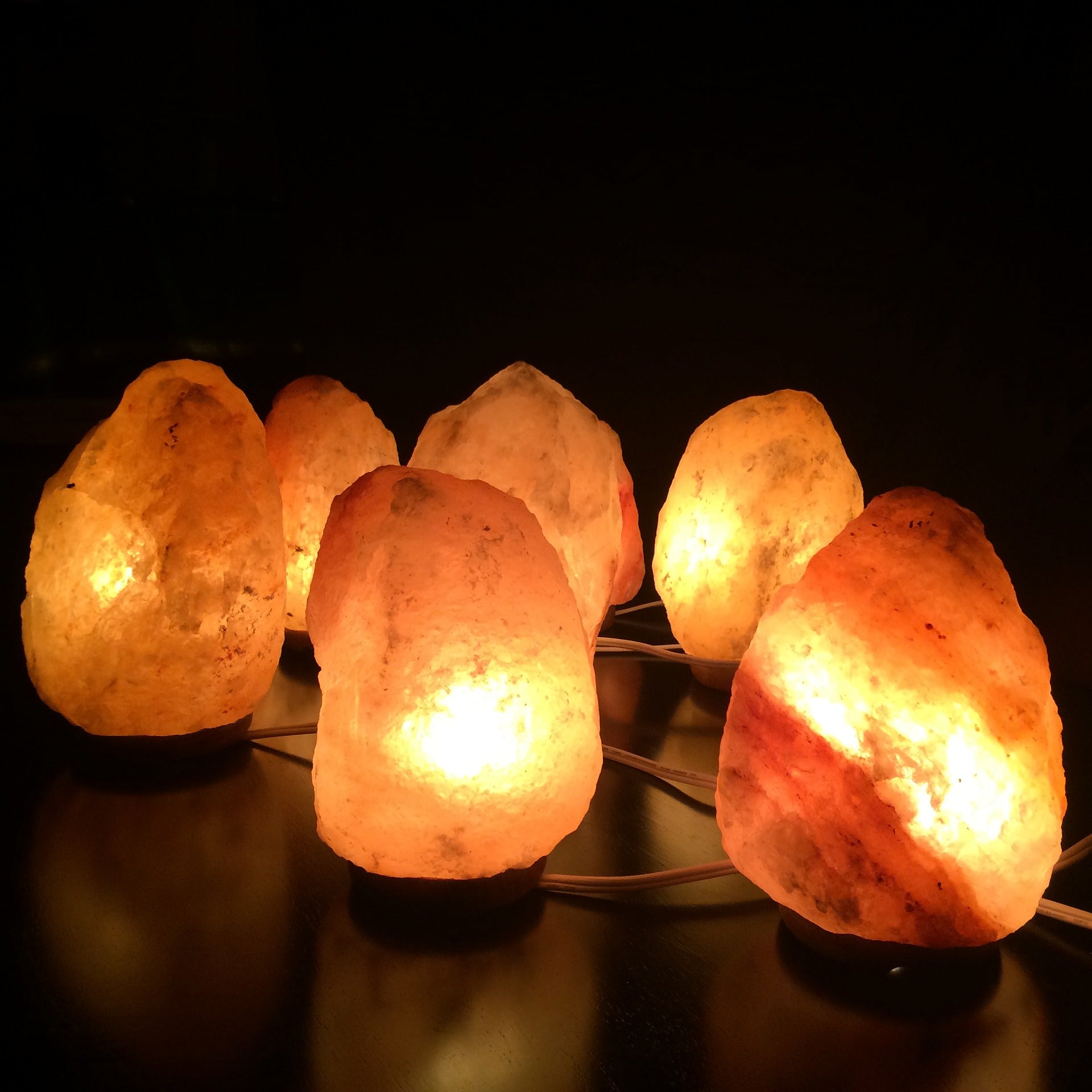
Credit: gemstonegifts.co.uk
Common Misconceptions
Many people notice their Himalayan salt lamp sweating and get worried. This sweating is often misunderstood. Several myths surround this natural process. Clearing up these misconceptions helps users enjoy their lamps better.
Is It Defective?
The sweat on a salt lamp is not a defect. It happens because salt attracts moisture from the air. When the lamp heats up, the moisture turns to water droplets. This is normal and shows the lamp is working as it should. The sweating means the salt is absorbing humidity, which is its natural trait.
Safety Concerns
Sweating salt lamps are safe to use. The water drops are small and evaporate quickly. The lamp’s base and bulb stay dry and safe. Just place the lamp on a waterproof surface. This prevents damage to furniture from any moisture. No electrical hazards come from the sweating process itself.
Impact Of Salt Lamp Sweating
Salt lamps are beautiful and calming. But sweating can cause some problems. This sweating happens when the salt absorbs moisture from the air. Understanding the impact helps you care for your lamp better. It also protects your home from damage.
Surface Damage Risks
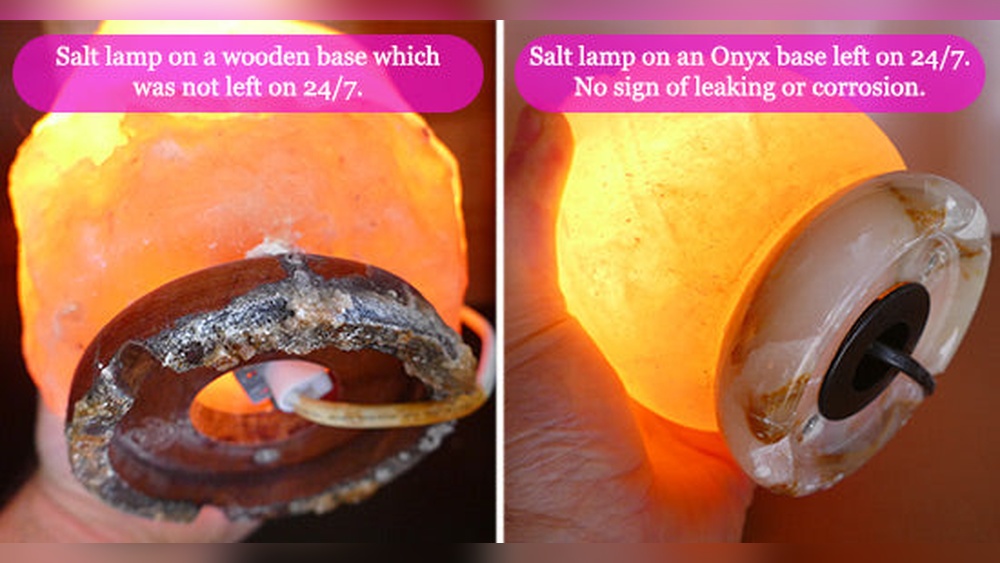
Sweating makes the lamp wet. Water can cause the salt to dissolve slowly. This leads to rough or uneven surfaces. The lamp may lose its smooth shine. Over time, salt crystals can break off. This damages the lamp’s natural beauty. Constant moisture also risks cracking or crumbling. These changes reduce the lamp’s lifespan.
Effects On Surroundings
Water droplets can drip onto furniture or floors. Salt water can stain wood or fabric. It may leave white marks or spots. Moisture can damage electronic devices near the lamp. Sweating lamps increase humidity in small spaces. This can harm paint or wallpaper. Careful placement helps avoid damage to your home.

Credit: saltworld.in
Preventing Salt Lamp Sweat
Salt lamp sweat happens when moisture gathers on the lamp’s surface. This can cause water droplets to form. It may damage furniture or make the lamp look less attractive. Stopping salt lamp sweat helps keep your lamp dry and clean. Simple steps can reduce moisture and protect your lamp.
Optimal Placement Tips
Place your salt lamp in a dry room with good air flow. Avoid bathrooms or kitchens where steam is common. Keep the lamp away from windows or doors that open often. These spots let in humid air. Use a coaster or tray under the lamp to catch any moisture.
Using Heat Sources
Heat helps stop salt lamp sweat by drying moisture. Use a low-watt bulb inside the lamp to warm it gently. Turn the lamp on for several hours daily. Avoid strong heat that can crack the salt. A warm lamp keeps water from collecting on its surface.
Humidity Control Methods
Lower humidity in the room to prevent sweat. Use a dehumidifier to reduce air moisture. Air conditioning also helps by cooling and drying the air. Keep the room well ventilated to let moisture escape. Dry air means less chance of salt lamp sweat forming.
Maintaining Your Salt Lamp
Maintaining your Himalayan salt lamp is key to keeping it in good shape. Salt lamps can sweat or leak water if not cared for properly. Simple steps can stop this problem and extend your lamp’s life.
Cleaning Techniques
Use a dry cloth to wipe your salt lamp gently. Avoid water or wet cloths because salt dissolves in moisture. Dust your lamp weekly to keep it clean. If needed, use a slightly damp cloth and dry it immediately. Never soak your lamp in water.
Proper Storage
Store your salt lamp in a dry place when not in use. Avoid humid areas like bathrooms or kitchens. Keep it away from windows where rain or moisture can reach it. Use a plastic bag or container to protect it from moisture during storage. Proper storage reduces sweating and damage.

Credit: himalayantradingco.com
Frequently Asked Questions
Why Does My Himalayan Salt Lamp Sweat?
Himalayan salt lamps sweat due to moisture absorption from humid air. The salt attracts water vapor and forms droplets on the surface. This natural process happens because salt is hygroscopic, meaning it draws moisture from the environment, especially in warm or humid conditions.
Can Sweating Harm My Himalayan Salt Lamp?
No, sweating does not harm the lamp. It is a normal reaction to humidity. However, excess moisture can cause salt to dissolve or damage surfaces beneath. To protect it, use a coaster and keep the lamp in a dry, well-ventilated area.
How Can I Stop My Himalayan Salt Lamp From Sweating?
To reduce sweating, keep your salt lamp in a dry room with low humidity. Avoid placing it near humidifiers or bathrooms. Using the lamp regularly helps because the heat evaporates moisture, preventing sweat buildup on the salt surface.
Does Sweating Affect The Lamp’s Air-purifying Benefits?
Sweating does not affect the lamp’s air-purifying properties. The lamp still releases negative ions and improves air quality. Moisture only impacts the lamp’s surface, not its ability to clean the air or provide health benefits.
Conclusion
Himalayan salt lamps sweat because of moisture in the air. Warm lamp surfaces attract water droplets. This natural process is normal and shows how salt reacts. Keep the lamp dry to avoid water damage. Use a cloth to wipe off sweat often.
Place the lamp in a dry room for best results. Understanding why salt lamps sweat helps you care for them better. Enjoy their soft glow without worry about moisture. Simple care keeps your lamp working well and looking good.