Have you ever plugged in your string of lights, only to find that half of them won’t turn on? It’s frustrating, especially when you’re counting on those lights to brighten up your space or celebrate a special moment.
You might wonder why this happens and how to fix it quickly. Understanding the simple reasons behind this common problem can save you time, money, and stress. Keep reading, and you’ll learn easy tips to get every bulb glowing again—no more dark spots in your light display!
Common Causes Of Half String Failure
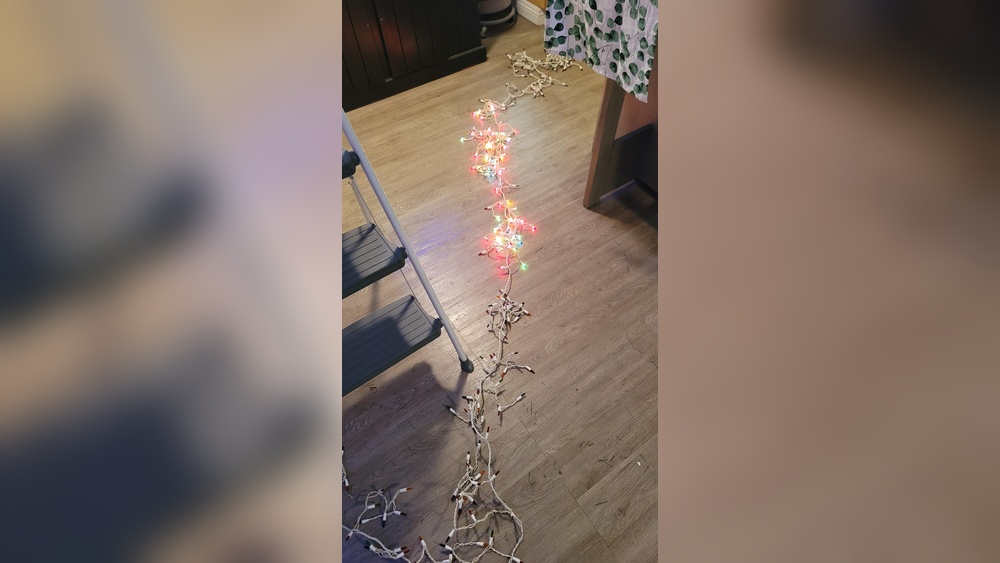
Half string failure is a common problem with holiday lights. It makes only part of the string light up. Many causes lead to this issue. Knowing these causes helps fix the problem fast. It also keeps lights working longer. Here are the most common reasons why half a string of lights stops working.
Faulty Bulbs And Loose Connections
One bad bulb can stop half the string. Bulbs may burn out or break. Loose bulbs also cause failure. Lights connect through small wires. If a bulb is loose, the current stops. Checking bulbs and tightening them often solves the problem.
Blown Fuses In The Plug
The plug has tiny fuses inside. These protect the lights from power surges. A blown fuse cuts power to part of the string. Replacing the fuse can restore full lighting. Always check the plug fuses first when half the string fails.
Damaged Wiring Or Broken Sockets
Wiring can get damaged by bending or pulling. Broken sockets also stop the flow of electricity. Damage inside the string is hard to see. Careful inspection and repair can fix wiring problems. Avoid sharp bends and rough handling to keep wires safe.

Credit: www.wikihow.com
Tools Needed For Troubleshooting
Troubleshooting a string of lights that only works halfway requires a few simple tools. These tools help find the problem quickly and fix it with ease. Having the right items on hand makes the process less frustrating.
Multimeter And Light Tester
A multimeter measures voltage and continuity in the light string. It shows if electricity flows through the wires. A light tester checks if each bulb is good. Both tools help spot broken bulbs or wiring faults fast.
Replacement Bulbs And Fuses
Extra bulbs come in handy when one burns out. Many light strings stop working if a single bulb fails. Fuses protect the lights from power surges. Keep spares ready to swap faulty parts right away.
Basic Hand Tools
Small screwdrivers and pliers are useful for opening light sockets. Tweezers help remove tiny bulbs safely. These tools allow careful handling and quick repairs without damage.
Step-by-step Fixing Process
Fixing a string of lights where only half works can be simple. Follow these clear steps to find and fix the problem. Each step targets a common issue that stops half the lights from glowing. Take your time and check carefully for the best results.
Inspecting And Replacing Faulty Bulbs
Start by looking at each bulb closely. A loose or broken bulb can break the circuit. Remove bulbs one by one and check for damage or blackening. Replace any bulb that looks burnt or does not light up. Use bulbs that match the original size and voltage. Test the string after replacing bulbs to see if lights return.
Checking And Swapping Fuses
Next, find the fuse box on the plug or control box. Open the cover carefully using a small tool. Take out the fuse and check if the wire inside is broken or burnt. Replace the fuse with one of the same type and rating. A blown fuse often causes half the lights to fail. After replacing the fuse, plug the lights back in and test.
Repairing Or Replacing Damaged Wiring
Look closely at the entire wire for cuts, cracks, or worn spots. Damaged wiring can stop electricity from flowing properly. Use electrical tape to cover small cuts temporarily. For larger damage, cut out the bad section and twist the wires together. Cover the joined wires with electrical tape or heat shrink tubing. If wiring is badly damaged, consider replacing the entire string for safety.
Credit: www.reddit.com
Preventive Tips For String Lights
Taking care of your string lights helps them last longer and work better. Simple habits can stop problems like half the lights not working. Follow these tips to keep your lights bright and safe.
Proper Storage And Handling
Store string lights in a dry, cool place. Avoid tangling the wires. Wrap them loosely around a spool or a piece of cardboard. Handle the bulbs gently to avoid breaking. Do not pull on the wires when unplugging.
Using Outdoor-rated Lights
Choose lights marked for outdoor use. They resist rain, snow, and sun damage. Outdoor-rated lights have stronger insulation and waterproof plugs. Using indoor lights outside can cause shorts and failures. Always check the label before buying or using.
Regular Maintenance Checks
Inspect your lights before each use. Look for broken bulbs, frayed wires, or loose connections. Replace damaged bulbs immediately. Clean the plugs and sockets to remove dirt. Regular checks prevent bigger problems and keep lights shining bright.
Credit: www.reddit.com
Frequently Asked Questions
Why Does Only Half String Of Lights Work?
Half the string may fail due to a broken bulb or faulty wiring. Many strings use series wiring, so one failure can affect half the lights. Checking and replacing damaged bulbs or fuses often solves this issue quickly and efficiently.
Can A Blown Fuse Cause Half String Failure?
Yes, a blown fuse in the string’s plug or wiring can cause half the lights to stop working. The fuse protects against electrical surges, and when it blows, it interrupts power flow to part of the string, leading to partial lighting failure.
How To Fix Half String Of Lights Not Lighting?
Inspect bulbs for damage or looseness and replace any faulty ones. Check the fuse in the plug and replace it if blown. Ensure all bulbs are securely seated, as poor connections often cause half the string to fail.
Does Series Wiring Cause Half String Lighting Issues?
Yes, series wiring means bulbs are connected in a line. If one bulb burns out or is loose, it can break the circuit and cause half the string to go dark.
Conclusion
Half a string of lights not working can be frustrating. Often, one bad bulb or a loose connection causes this. Checking each bulb and wiring helps find the problem fast. Replacing faulty parts often fixes the issue. Taking care of lights before use keeps them shining longer.
Understanding why lights fail saves time and effort. Keep your decorations bright and worry-free with simple steps. Don’t let half-lit strings spoil your festive mood. Small fixes bring back the full glow you want.