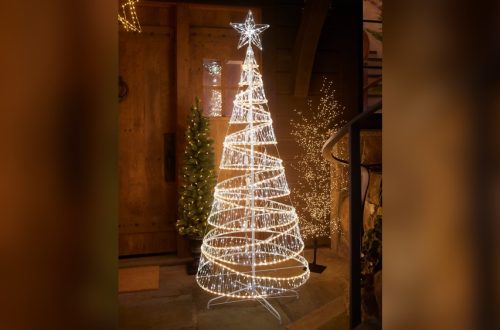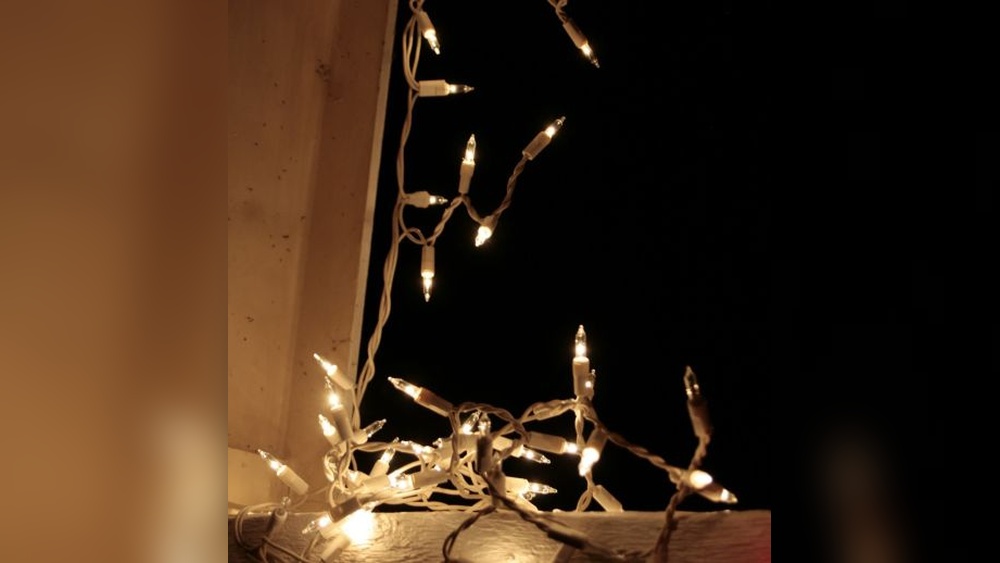
Have you ever noticed that part of your string of lights suddenly goes out, leaving a section dark while the rest still glows? It’s frustrating, especially when you’re counting on those lights to brighten up your space.
You might wonder why this happens and how to fix it quickly. Understanding the simple reasons behind this common problem can save you time, money, and stress. Keep reading to discover what causes a section of your lights to fail and how you can get them shining bright again.
Credit: www.fredmeyer.com
Common Causes Of Light String Failures
String lights brighten up any space, but they can stop working properly. Parts of the string may go out, causing frustration. Several common issues cause these light failures. Understanding these helps to fix the problem quickly.
Burned Out Bulbs
One burnt-out bulb can break the circuit. This stops electricity from flowing to other bulbs. Older bulbs burn out more often. Replacing the bad bulb often solves the issue.
Loose Or Damaged Sockets
Sockets hold bulbs in place and connect them to power. Loose or damaged sockets cause lights to flicker or go out. Check each socket for dirt, corrosion, or damage. Tightening or cleaning the socket can restore the connection.
Faulty Wiring
Wiring inside the string can wear out or break. This interrupts the flow of electricity. Bent or twisted wires may cause shorts or breaks. Inspect the wiring carefully for visible damage. Repair or replace damaged wires to fix the lights.
Blown Fuses
String lights often have small fuses inside the plug. A blown fuse cuts off power to the whole string. This happens due to power surges or shorts. Replace the fuse with one that matches the original rating. This can bring the lights back on.
Identifying The Problem Area
When part of a string of lights goes out, finding the problem helps fix it fast. Identifying the exact area saves time and avoids replacing the whole set. This section shows simple steps to spot the issue.
Checking Each Bulb
Start by looking at each bulb closely. A loose or broken bulb often causes the outage. Gently press each bulb to ensure it is snug. Replace any bulb that looks dark or damaged. A single bad bulb can stop many from lighting.
Inspecting The Wiring
Next, examine the wiring along the string. Look for cuts, frays, or twisted wires. Damaged wiring can break the electrical flow. Make sure the wires are dry and clean. Repair or replace sections with visible damage to restore power.
Testing The Fuse
Check the fuse in the plug of the string. A blown fuse stops electricity and causes part of the lights to go out. Open the fuse holder and remove the fuse carefully. Use a fuse tester or replace it with a new one. This step often brings the lights back to life.
Simple Fixes For Burned Out Bulbs
Burned out bulbs often cause parts of a string of lights to go dark. Fixing these bulbs is simple and saves money. Many fixes do not require special tools or skills. A few easy steps can bring your lights back to life quickly.
Replacing Individual Bulbs
Start by finding the burned out bulb. Look for bulbs that are dark or broken. Gently remove the bad bulb from the socket. Insert a new bulb that matches the size and type. Push the new bulb firmly into place. Test the string to see if it lights up. Repeat the process if more bulbs are bad.
Using Bulb Testers
Bulb testers help find bad bulbs fast. Plug the tester into the socket next to the bulb. The tester lights up if the bulb works. No light means the bulb is burned out. Using a tester saves time and guesswork. It is especially helpful with many bulbs on one string.
Choosing Compatible Replacements
Use bulbs that match the original string. Check the voltage and size before buying new bulbs. Using wrong bulbs can cause more bulbs to go out. Buy bulbs from the same brand if possible. Correct replacements keep your lights safe and bright.

Credit: musescore.com
Repairing Loose Or Damaged Sockets
Repairing loose or damaged sockets is a common fix for strings of lights that stop working properly. Sockets can become loose, dirty, or broken over time. These issues block electricity and cause some bulbs to go out. Fixing sockets helps restore the full glow of your lights. The process includes cleaning, tightening, and sometimes replacing sockets.
Cleaning Corroded Sockets
Corrosion can build up inside sockets from moisture or dirt. This stops the electricity from flowing. Use a small brush or cloth to clean the socket gently. Remove any rust or debris. Cleaning helps improve the connection and brightens the lights again.
Securing Loose Connections
Loose sockets can cause bulbs to flicker or go out. Check each socket by pushing it firmly. Make sure the bulb fits tight inside. If the socket moves or feels wobbly, secure it with a small tool or tape. Tight connections help the electricity flow steady and keep the lights shining.
Replacing Broken Sockets
Some sockets may break and need replacing. Look for cracks, missing parts, or damaged metal contacts. Remove the broken socket carefully from the string. Replace it with a new one made for your light set. New sockets restore full function and prevent further outages.
Addressing Wiring Issues
Addressing wiring issues is key when part of your string of lights goes out. Faulty wiring often causes bulbs to stop working. Checking the wires can help find and fix the problem quickly.
Wires can get damaged from bending, stretching, or weather. Small problems in wiring can cut off power to many bulbs. Careful inspection and simple repairs often restore your lights.
Spotting Frayed Or Broken Wires
Look closely along the whole string for cuts or exposed wires. Frayed wires have loose or separated strands that may not touch. Broken wires may show visible cracks or breaks in insulation. These issues stop electricity from flowing properly. Check areas near plugs and bulbs carefully. Damage often hides under twists or bends.
Using Electrical Tape And Connectors
Cover small wire cuts with electrical tape to protect them. Wrap tape tightly around the damaged section to avoid shorts. Use wire connectors to join broken wires safely. Strip a small part of wire ends before connecting. Good connections restore power and prevent sparks. Always unplug lights before fixing wires for safety.
When To Replace The Entire String
Replace the string if wires are badly damaged or many bulbs fail. Large breaks or deep cuts are hard to fix safely. Old strings may have worn insulation that risks shocks. When repairs become too many, a new string is safer. New lights save time and reduce fire hazards. Check the condition before deciding to replace.
Dealing With Blown Fuses
Dealing with blown fuses is a common task when a string of lights stops working. Fuses protect the string from electrical problems. When a fuse blows, part of the string goes dark. Fixing or replacing the fuse often restores the lights. This section shows how to handle blown fuses safely and effectively.
Locating The Fuse Compartment
The fuse compartment is usually near the plug. It is a small plastic box or cover. Look for a tiny door or a sliding panel. Sometimes, it has a label saying “fuse.” Use a small tool or fingernail to open it gently. Inside, you will see one or two small fuses.
Replacing Fuses Safely
Before replacing, unplug the lights from the socket. Take out the old fuse carefully with tweezers or fingers. Check the fuse for a broken wire or dark marks. Replace it with a fuse of the same size and rating. Do not use a fuse that does not match. Close the fuse compartment securely. Plug the lights back in and test them.
Preventing Future Fuse Blows
Use lights designed for your home voltage. Avoid overloading the string with too many sets. Keep the lights dry and away from water. Store lights properly to prevent damage. Check fuses regularly and replace weak ones. Following these tips reduces fuse problems and keeps lights bright.
Preventive Tips For Long-lasting Lights
Keeping your string lights working well is easier with some simple care. These tips help avoid common issues that cause lights to go out. Small steps now save time and money later.
Proper Storage Techniques
Store lights in a dry, cool place after use. Wrap them loosely around a spool or cardboard. Avoid tight knots or tangles that can damage wires. Use plastic bags or containers to keep out dust and moisture. Proper storage protects bulbs and wiring from damage.
Avoiding Overloading Circuits
Check the power limits on your lights and circuits. Plugging too many strings together can cause shorts or failures. Use a power strip with a built-in breaker to prevent overload. Spread out your lights across different outlets. This reduces the risk of part of the string going out.
Regular Maintenance Checks
Inspect lights before each use for broken bulbs or frayed wires. Replace damaged bulbs quickly to keep the circuit complete. Clean bulbs gently with a soft cloth to remove dirt. Look for loose connections and fix them early. Regular checks keep lights bright and safe.

Credit: electronics.stackexchange.com
Frequently Asked Questions
Why Do Some Bulbs In A Light String Stop Working?
Some bulbs burn out or become loose, breaking the circuit. This causes part of the string to go dark. Checking each bulb and replacing faulty ones usually fixes the issue.
Can A Broken Fuse Cause String Lights To Fail?
Yes, a blown fuse in the plug can stop lights from working. Replace the fuse with the correct rating to restore power to the string.
How Do Loose Bulbs Affect String Light Performance?
Loose bulbs interrupt the electrical flow, causing sections to go out. Ensure all bulbs are securely seated to maintain consistent lighting.
Are Led String Lights Less Likely To Go Out?
LED lights are more durable and use less power, reducing outages. However, they can still fail if bulbs or wiring are damaged.
Conclusion
A string of lights may go out due to a broken bulb or loose connection. Finding the problem is easier when you check each bulb carefully. Replacing the faulty bulb usually brings the lights back to life. Keeping the lights clean and dry helps prevent future issues.
Simple care makes your decorations shine bright all season. Remember, small fixes save you money and time. Bright lights create happy moments for everyone to enjoy.