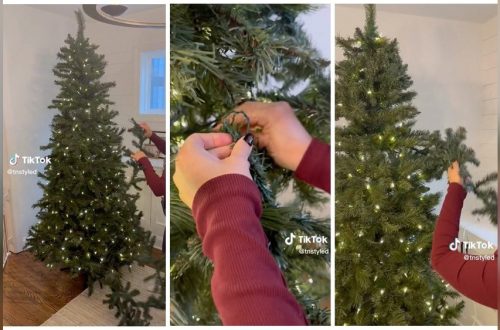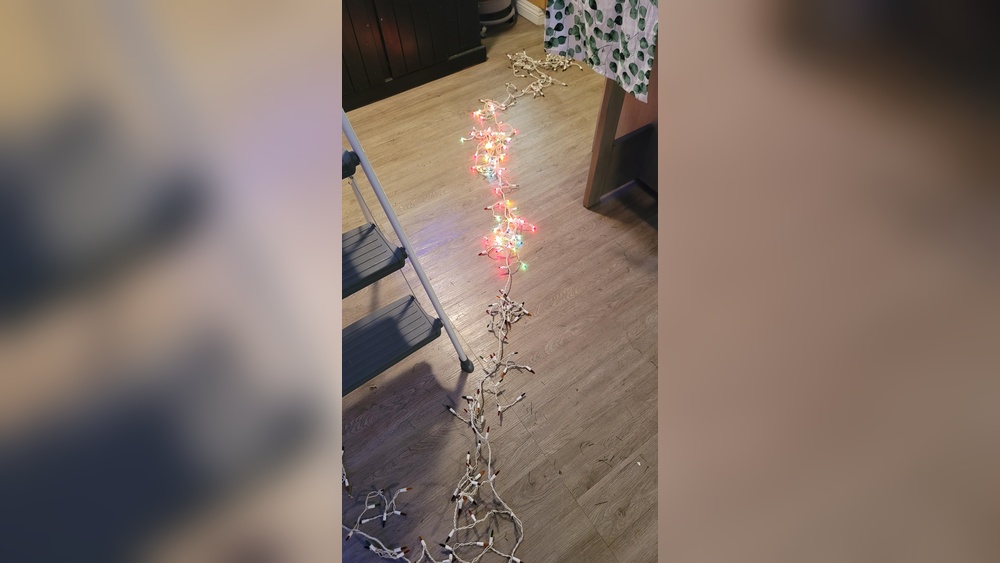
Have you ever plugged in your string of lights, only to find that half of them won’t turn on? It’s frustrating, especially when you want your space to shine bright.
You might be wondering why this happens and how to fix it quickly. Understanding the common reasons behind this problem can save you time and stress. Keep reading, and you’ll discover simple steps to bring all your lights back to life—no more dark spots or dim corners.
Credit: www.reddit.com
Common Causes Of String Light Failures
String lights often stop working because of a few common issues. Knowing these can help you fix the problem quickly. Many times, half the lights go out while the other half stay bright. This happens due to simple faults in bulbs, fuses, or wiring. Understanding these causes will save time and effort.
Faulty Bulbs And How They Affect The Circuit
One bad bulb can break the circuit for many lights. In older strings, bulbs connect in a series. When one bulb burns out, it can stop electricity from flowing to the rest. Some newer lights use shunts, so one bad bulb does not turn off the whole string. Checking bulbs is the first step to find the problem.
Issues With The Fuse Or Power Source
The fuse inside the plug protects the lights from power surges. If the fuse blows, part of the string will not light up. Power sources that do not supply enough energy can also cause failure. Always check the fuse and power outlet if half the lights go dark. Replacing the fuse is often a quick fix.
Damaged Wiring And Connections
Wires get worn or broken over time. Moisture, bending, or pulling can damage the connections. Loose or broken wires stop electricity from reaching all bulbs. Inspect the string carefully for cuts or exposed wires. Fixing or replacing damaged sections restores full light coverage.

Credit: diy.stackexchange.com
Quick Checks Before You Start Fixing
Before fixing your string of lights, some quick checks can save time. These checks help find simple problems fast. Start with easy steps to avoid complex repairs. Follow these tips to spot common issues early.
Inspecting Bulbs For Damage
Look closely at each bulb on the string. Check for broken or darkened bulbs. A damaged bulb can stop half the lights from working. Replace any bulbs that seem faulty. This simple step often fixes the problem quickly.
Testing The Power Outlet
Plug the lights into a different outlet. Sometimes the outlet may not provide power. Use a lamp or another device to test the socket. No power means the outlet is the issue. Try a new outlet before fixing the lights.
Examining The Fuse Box
Check the fuse or circuit breaker linked to the lights. A tripped breaker can cut power to half the string. Reset the breaker or replace the fuse if needed. This can restore power without extra work.
Step-by-step Fixes For Half-out Lights
Half of your string of lights is out. Fixing this problem is easier than you think. Follow these simple steps to get all the bulbs glowing again. Each step targets a common cause of the issue. Try them one by one to find the solution fast.
Replacing Burned-out Bulbs
Burned-out bulbs often cause half of the lights to go out. Check each bulb carefully. Look for any that are black or broken. Replace these bulbs with new ones of the same size and type. Make sure each new bulb fits tightly. Loose bulbs can also break the circuit.
Resetting Or Replacing Fuses
Many light strings have small fuses in the plug. These fuses protect the lights from power surges. Find the fuse compartment on the plug. Open it and check the fuses. Replace any blown fuse with one that matches the rating. Reset the fuse if it is a resettable type. This step often restores power to the dark half.
Repairing Or Replacing Damaged Wires
Damaged wires can stop electricity from reaching half the lights. Inspect the entire length of the string for cuts or frays. Use electrical tape to cover small cuts. For large damage, replace the whole wire section or the string. Avoid using lights with exposed wires. Safety first.
Tools And Materials You’ll Need
Fixing half of your string of lights requires the right tools and materials. These help you find the problem and replace broken parts safely. Preparing everything before you start makes the repair faster and easier.
Essential Tools For Repair
Start with a small screwdriver to open bulb sockets. A pair of needle-nose pliers helps pull out bulbs gently. A multimeter tests if the bulbs and wires have power. Keep a flashlight handy to see small parts clearly.
Choosing Replacement Bulbs
Use bulbs that match the size and voltage of your string lights. Check the packaging or old bulbs for exact details. Using the wrong bulb can cause the lights not to work or burn out fast.
Safety Gear To Use
Wear insulated gloves to protect from electric shocks. Safety glasses keep your eyes safe from broken glass. Unplug the lights before starting any work to avoid accidents.
Preventing Future Light String Issues
Preventing future problems with your string lights saves time and money. Proper care keeps lights bright and working longer. Simple habits stop issues like half the lights going out. Follow these easy tips to protect your investment and enjoy festive lighting every season.
Proper Storage Tips
Store lights in a dry, cool place to avoid damage. Avoid tangling by wrapping lights around a spool or cardboard. Keep lights away from heavy items that can crush wires. Use a sealed container to protect from dust and moisture. Proper storage helps lights last through many holidays.
Regular Maintenance Routines
Check lights before use for broken bulbs or frayed wires. Replace damaged bulbs quickly to prevent further problems. Clean lights gently with a soft cloth to remove dirt. Test lights regularly to find issues early. Small fixes now stop larger problems later.
Upgrading To Durable Light Strings
Choose lights made with strong, weather-resistant materials. LED lights last longer and use less power than traditional bulbs. Look for lights with secure bulb sockets to prevent loose connections. Investing in quality lights reduces frequent replacements. Durable lights brighten your home safely and reliably.

Credit: diy.stackexchange.com
When To Call A Professional
Knowing when to call a professional is important if half your string of lights is out. Some problems need expert skills to fix safely and correctly. Attempting to fix complex electrical issues alone can cause more damage or injury. Understanding the signs helps you decide when to get help. Here are key points to consider.
Signs Of Complex Electrical Problems
Lights flickering or dimming may show wiring issues. Frequent blown fuses or tripped breakers suggest electrical faults. Burnt smells or melted wires clearly indicate serious problems. If the problem repeats after replacing bulbs, it may be more than just a simple fix. These signs mean an expert should check your system.
Avoiding Safety Hazards
Electrical work can be dangerous without proper tools and knowledge. Shocks and fires can happen during DIY repairs. Professionals follow safety rules and use the right equipment. Calling an expert reduces risks to you and your home. Do not touch exposed wires or damaged plugs yourself.
Finding A Reliable Expert
Choose someone with proper licenses and good reviews. Ask about their experience with holiday lights and home wiring. A trustworthy electrician will explain the problem clearly and offer a fair price. Always check references or online ratings before hiring. Reliable help ensures your lights will shine safely again.
Frequently Asked Questions
Why Is Half My String Of Lights Not Working?
Half the string may be out due to a broken bulb or loose connection. Check each bulb and secure all connections carefully. Replace any faulty bulbs to restore full lighting.
Can A Single Bad Bulb Affect The Whole Light String?
Yes, one bad bulb can cause half the string to go out. Many strings are wired in series, so one failure disrupts the circuit. Identifying and replacing the bad bulb often fixes the issue.
How Do I Fix Half My String Of Lights Out?
First, unplug the lights for safety. Inspect bulbs for damage or looseness. Replace or tighten any faulty bulbs. Test the string after each step to find the problem area.
Are Led And Incandescent Light Strings Repaired Differently?
Yes, LED strings often have built-in resistors or diodes, making repair trickier. Incandescent strings are simpler to fix by replacing bulbs. Always follow manufacturer instructions for repair.
Conclusion
Half your string of lights going out can be frustrating. Often, a single bad bulb or a loose connection causes this. Checking each bulb carefully helps find the problem fast. Replacing damaged bulbs usually fixes the issue. Keep your lights dry and store them properly to avoid damage.
Regular checks prevent future problems and keep your lights bright. Taking simple steps saves time and stress. Enjoy your lights shining fully again.