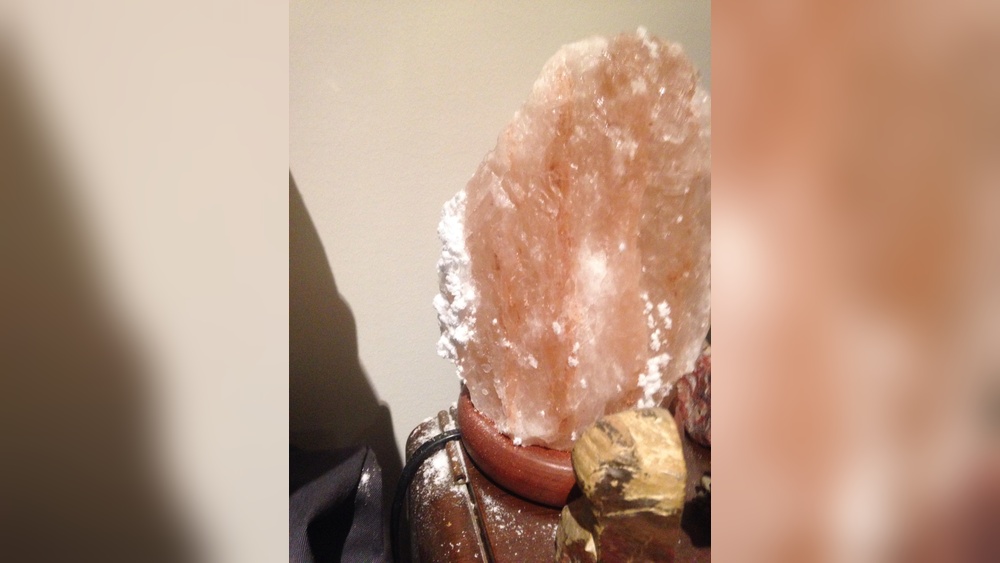
Have you noticed your beautiful Himalayan salt lamp turning white? It can be confusing and a bit worrying when the warm pink glow you love starts to fade.
You might wonder if something is wrong with your lamp or if it’s losing its benefits. The good news is, this change is common and usually nothing to fear. You’ll discover why your Himalayan salt lamp is turning white and what you can do to keep it glowing just right.
Keep reading to find simple answers and easy tips that will help you care for your lamp like a pro.

Credit: himalayantradingco.com
Common Causes Of Whitening
Himalayan salt lamps can turn white over time. This change often puzzles many owners. Understanding the common causes helps you care for your lamp better. The white layer usually means the salt is reacting to something in its environment.
Exposure To Moisture
Salt lamps absorb water from the air. This moisture can cause the salt to dissolve slightly. When the water evaporates, salt crystals form on the surface. These crystals create a white, powdery layer. Placing the lamp in damp areas speeds up this process. Avoid leaving your lamp near windows or sinks.
Salt Crystallization
Salt naturally forms crystals as it dries out. This crystallization can appear as a white coating. It happens when the lamp cools after use. The heat draws moisture out, and salt crystals appear. This is a normal process and not harmful to the lamp. Gently wiping the lamp can remove some of the crystals.
Environmental Humidity
High humidity increases the chance of whitening. Salt attracts water from humid air. In rooms with poor ventilation, moisture stays longer. This causes more salt to crystallize on the lamp. Using a dehumidifier or moving the lamp to a drier spot helps. Keeping humidity low protects the lamp’s natural color.
Effects Of Whitening On The Lamp
The whitening of a Himalayan salt lamp affects its overall condition and user experience. This change happens because of moisture and salt crystals forming on the surface. It changes how the lamp looks, glows, and lasts over time. Understanding these effects helps you care for your lamp better.
Appearance Changes
The lamp’s color shifts from warm pink to pale white. This whitening gives the lamp a frosty look. It loses its natural, inviting glow. The surface may also feel rough or powdery. These changes make the lamp look less attractive.
Impact On Light Quality
The lamp’s light becomes dimmer and less warm. The white layer blocks some of the light inside. This makes the glow weaker and less soothing. You may notice the lamp looks dull instead of bright and cozy.
Durability Concerns
Whitening can mean the lamp is absorbing moisture. This moisture can cause the salt to erode faster. The lamp might start to crumble or leak salt. Over time, this reduces the lamp’s lifespan. Protecting the lamp from humidity helps keep it strong.
Preventing Whitening
Preventing your Himalayan salt lamp from turning white is key to keeping its beauty and glow. The white layer forms due to moisture and salt reacting with the air. This process can be slowed or stopped by careful care and attention. Follow these tips to maintain your lamp’s natural color and shine.
Proper Placement
Place your salt lamp in a dry spot. Avoid areas near windows or doors where air and moisture enter often. Keep it away from kitchens and bathrooms because these rooms have higher humidity. A stable, dry environment helps stop the salt from sweating and turning white.
Controlling Humidity Levels
Salt lamps absorb moisture from the air, causing whitening. Use a dehumidifier or air conditioner to lower humidity in your room. Keep humidity below 50% for best results. This reduces moisture around the lamp and protects its surface from salt buildup.
Regular Maintenance
Wipe your lamp with a dry cloth every few days. Avoid using water or wet cloths as they increase moisture. Dust can trap moisture and cause the salt to whiten. Regular cleaning keeps the lamp dry and bright. Turn off the lamp before cleaning to avoid damage.

Credit: www.earthinspiredgifts.com.au
Restoring Your Salt Lamp
Restoring your Himalayan salt lamp is important to keep its natural glow and benefits. Over time, salt lamps can lose their color and turn white. This change happens because of moisture and dust. You can bring back the original look with some simple care steps. These steps help your lamp stay beautiful and work well for a long time.
Cleaning Techniques
Use a dry cloth to wipe the lamp gently. Avoid water or wet cloths to stop salt from dissolving. Dust can build up and make the lamp look dull. A soft brush can help remove dust from hard spots. Clean the lamp regularly to keep it bright and fresh.
Rehydrating Methods
Salt lamps can dry out and turn white. To fix this, turn on the lamp for several hours. The heat will remove moisture and bring back the color. Place the lamp in a dry room to avoid extra humidity. Avoid direct contact with water to prevent damage.
When To Replace The Lamp
Sometimes, the lamp turns white from deep damage. Cracks or crumbling salt are signs to replace it. If the lamp stops glowing or feels weak, replacement is best. A new lamp will offer better light and air benefits. Choose a fresh salt lamp for lasting beauty.
Choosing The Right Salt Lamp
Choosing the right Himalayan salt lamp helps avoid issues like the lamp turning white. Salt lamps differ in quality, size, and sealing. Each factor affects how the lamp looks and lasts.
Picking a good salt lamp means you enjoy its warm glow longer. It also reduces the chance of white spots or salt crust forming.
Quality Indicators
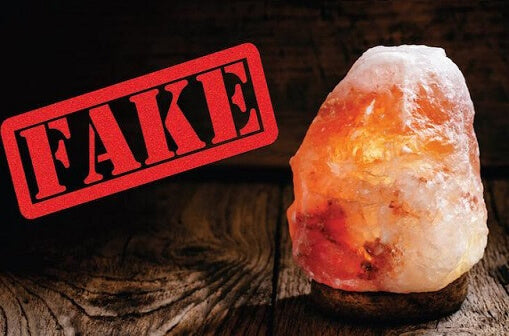
High-quality salt lamps have a solid, natural pink or orange color. They feel heavy for their size and have a rough, uneven surface. Avoid lamps that look too smooth or have artificial colors. Good lamps do not crumble easily and have no cracks.
Size And Weight Considerations
Larger salt lamps weigh more and last longer. Small lamps may dry out or develop white patches faster. Choose a size that fits your space but also feels solid. Heavy lamps usually come from better salt blocks. This helps prevent quick drying and white residue.
Sealed Vs. Unsealed Lamps
Sealed salt lamps have a protective coating to keep moisture out. This stops the salt from absorbing water and turning white. Unsealed lamps absorb moisture from air, causing white spots or salt buildup. Sealed lamps need less care and last longer without changing color.
Credit: www.thesaltlampshop.com.au
Frequently Asked Questions
Why Is My Himalayan Salt Lamp Turning White?
Himalayan salt lamps turn white due to moisture absorption. The salt reacts with humidity, forming a white residue called efflorescence. This is normal and indicates the lamp is absorbing water from the air. Proper placement and avoiding damp areas can reduce this whitening.
How Can I Prevent My Salt Lamp From Turning White?
To prevent whitening, keep your salt lamp in a dry, well-ventilated area. Avoid placing it near humid spots like bathrooms or kitchens. Using a lamp warmer or keeping it on for longer periods helps evaporate moisture, reducing white residue buildup.
Does The White Residue Affect The Lamp’s Health Benefits?
No, the white residue does not affect the lamp’s health benefits. It is a natural reaction to humidity and does not change the lamp’s ability to purify air or emit negative ions. Cleaning the residue maintains its appearance and function.
How Do I Clean The White Residue From My Salt Lamp?
To clean the white residue, gently wipe the lamp with a dry or slightly damp cloth. Avoid using too much water or harsh chemicals. Let the lamp dry completely before turning it back on to prevent further moisture absorption.
Conclusion
Salt lamps turn white mainly because of moisture and air exposure. This happens when salt absorbs water and dries on the surface. It does not mean your lamp is broken or useless. You can wipe it gently with a dry cloth to remove the white layer.
Keep your lamp in a dry place to avoid this issue. Remember, salt lamps need simple care to stay beautiful and bright. Enjoy the soft glow and calm feeling your lamp brings every day.