Have you ever noticed water pooling under your Himalayan salt lamp and wondered why it’s there? It can be confusing and even a little worrying to see your beautiful lamp sweating like that.
But don’t worry—this is a common issue with a simple explanation. Understanding why your salt lamp gathers water can help you take better care of it and keep it glowing just the way you like. Keep reading, and you’ll discover the surprising reason behind the moisture and easy tips to fix it.
Salt Lamp Basics
Understanding the basics of salt lamps helps explain why water might appear underneath them. These lamps have gained popularity for their warm glow and natural look. They come from large pieces of Himalayan salt. People use them for decoration and believe they offer health benefits.
Knowing what a Himalayan salt lamp is and how it works gives clear insight. This knowledge helps you care for your lamp properly and avoid common issues like water buildup.
What Is A Himalayan Salt Lamp
A Himalayan salt lamp is a chunk of pink salt crystal. It is hollowed out inside to hold a light bulb. The bulb heats the salt from the inside. This gives off a soft, amber light. The salt is mined from the Himalayan mountains. It contains minerals that give it a pink or orange color. These lamps are natural and handmade.
How Salt Lamps Work
The lamp’s bulb warms the salt crystal. Warm salt draws moisture from the air. This is called hygroscopy. The salt absorbs water vapor around it. The heat from the bulb helps evaporate this moisture. This process can cause some water to drip or collect under the lamp. It is normal and shows the lamp is working. If the lamp is cold, moisture can build up and form water drops.
Moisture Attraction
Himalayan salt lamps are beautiful and calming. Yet, you might notice water pooling under them. This happens because salt naturally draws moisture from the air. Understanding why can help you care for your lamp better.
Salt’s Hygroscopic Nature
Salt is hygroscopic. This means it pulls water vapor from the air. The lamp’s salt crystals attract moisture around them. Over time, this moisture turns into tiny water droplets. These droplets collect at the lamp’s base, causing the wetness you see.
This process is natural. It shows salt’s unique ability to absorb moisture. The more salt exposed, the more water it can attract. This explains why Himalayan salt lamps often have water underneath.
Environmental Humidity Effects
Humidity levels in your room affect how much water appears. Higher humidity means more moisture in the air. Your salt lamp pulls in more water during these times. This leads to more water collecting under the lamp.
Places like bathrooms or kitchens usually have higher humidity. Salt lamps placed there will sweat more. Dry rooms cause less water buildup. Watching your room’s humidity helps control the moisture under your lamp.
Condensation Formation
Water under a Himalayan salt lamp often comes from condensation. This happens when moisture in the air turns into liquid on the lamp’s surface. Salt lamps attract moisture because salt naturally absorbs water. Understanding condensation helps explain why water appears and how to manage it.
Temperature Differences
Condensation forms due to temperature differences between the lamp and the surrounding air. The lamp warms up when plugged in, but the air around it may be cooler. Warm air holds more moisture, which turns into water droplets on cooler surfaces. The salt lamp’s cooler surface attracts this moisture, causing water to collect underneath.
Air Circulation Impact
Poor air circulation increases condensation around the salt lamp. Stagnant air means moisture stays close to the lamp’s surface longer. Good airflow helps dry the moisture quickly, reducing water buildup. Placing the lamp near a window or fan can improve air movement and prevent excess condensation.
Common Causes Of Water Accumulation
Water under a Himalayan salt lamp is a common issue. It happens due to several reasons. Understanding these causes helps in preventing water buildup. Let’s explore the main reasons why water collects under your salt lamp.
High Room Humidity
Salt lamps attract moisture from the air. High humidity means more water in the environment. The salt absorbs this moisture and starts to sweat. This causes water to pool at the base of the lamp. Rooms with poor ventilation or damp air increase this effect.
Lamp Heating Patterns
The lamp’s heat affects how moisture behaves. When the lamp is on, it warms and evaporates water. Turning the lamp off cools it down quickly. This sudden change causes moisture to condense on the lamp’s surface. This condensation drips down and forms water under the lamp.
Placement Near Moisture Sources
Placing your lamp near sources of moisture makes water buildup more likely. Bathrooms, kitchens, or windows can add extra humidity. Salt lamps near these areas absorb more water. This leads to faster water accumulation beneath the lamp. Choosing a dry spot can reduce this problem.
Preventing Water Buildup
Water buildup under a Himalayan salt lamp can be frustrating. It happens because salt attracts moisture from the air. This moisture collects as water around the base of your lamp. Preventing this water buildup keeps your lamp safe and your space clean.
Proper Lamp Placement
Place your salt lamp in a dry area away from windows. Avoid spots near air conditioners or humidifiers. These devices increase moisture in the air. A stable surface helps prevent spills and water damage.
Using A Protective Base
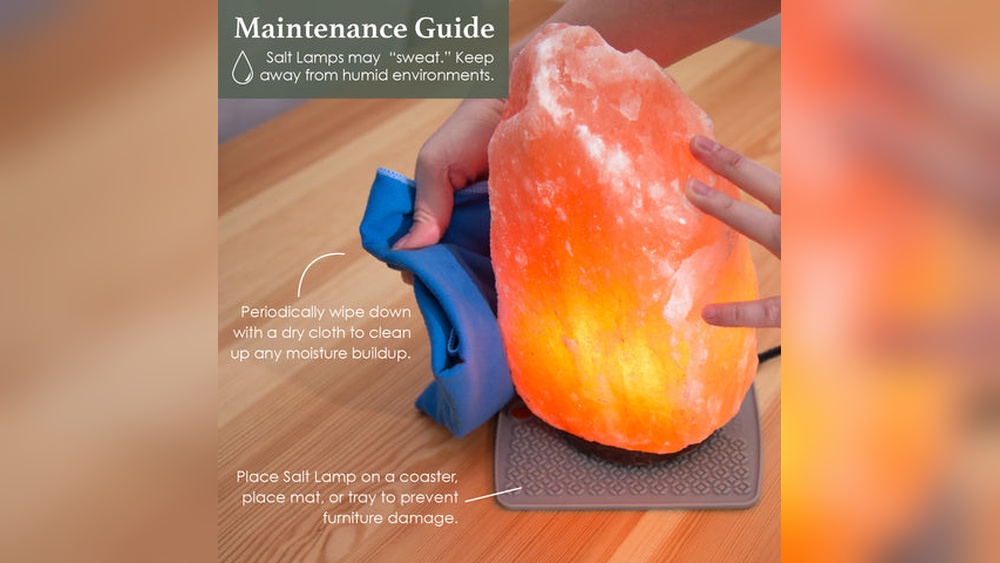
Use a coaster or small tray under your salt lamp. This catches any water that forms. Choose materials that resist water, like wood or plastic. A protective base keeps your furniture dry and safe.
Maintaining Optimal Humidity
Keep room humidity between 30% and 50%. Use a dehumidifier if the air feels damp. Lower humidity stops excess moisture from collecting on the lamp. This reduces water buildup around your salt lamp.
Credit: www.reddit.com
Dealing With Excess Water
Water under your Himalayan salt lamp can be annoying. It happens because salt attracts moisture from the air. This moisture collects and forms water droplets. Managing this excess water is important to keep your lamp in good shape. It also protects the surface where the lamp sits.
Dealing with this water is simple with the right care steps. Regular cleaning and proper drying help stop water buildup. These actions keep the salt lamp dry and looking nice. They also prevent damage to wood or fabric surfaces.
Regular Cleaning Tips
Wipe the lamp and base with a dry cloth daily. This removes any moisture on the surface. Avoid using water or wet cloths for cleaning. Dust the lamp gently to keep it bright and clean. Check for any water pools under the lamp. Clean the area to stop water stains or damage.
Safe Drying Methods
Turn off the lamp and unplug it before drying. Use a soft cloth to soak up water under the lamp. Let the lamp air dry in a warm, dry room. Avoid placing it near strong heat or direct sunlight. These can cause cracks in the salt. Use a small fan to help dry the area faster if needed.
Potential Risks Of Water Under Lamps
Water under a Himalayan salt lamp can cause several problems. It may harm your furniture and create safety risks. Understanding these risks helps you keep your lamp and home safe.
Surface Damage
Water from the salt lamp can damage wood and other surfaces. Saltwater is corrosive and can leave stains or marks. It can weaken the finish on tables or shelves. Over time, this damage may become hard to fix. Protecting surfaces under the lamp is very important.
Electrical Hazards
Water near electrical parts is dangerous. The lamp’s cord and bulb can get wet from the water. This can cause short circuits or electrical shocks. It may also lead to fires if the water reaches the wiring. Keep the lamp dry to avoid these hazards.
Credit: www.reddit.com

Credit: www.reddit.com
Frequently Asked Questions
Why Is Water Forming Under My Himalayan Salt Lamp?
Water forms due to the salt lamp’s hygroscopic nature. It attracts moisture from the air, which then condenses into water droplets under the lamp. This is a natural process and means the lamp is working properly to absorb humidity.
Can Water Damage My Himalayan Salt Lamp?
Yes, excess water can damage the lamp’s base or electrical components. It’s important to place the lamp on a waterproof surface and use a coaster or tray to catch any moisture.
How Can I Prevent Water Under My Salt Lamp?
Keep the lamp in a dry room and avoid high humidity areas. Turn it on regularly to help evaporate moisture. Using a protective coaster can also prevent water damage.
Does Water Under The Lamp Affect Its Benefits?
Water does not reduce the lamp’s air-purifying benefits. However, excessive moisture might shorten its lifespan or cause electrical issues if not managed properly.
Conclusion
Water under your Himalayan salt lamp happens because salt attracts moisture. The lamp warms up and pulls water from the air. This is normal and shows the lamp works well. To stop water buildup, keep the lamp in a dry place.
Use a coaster or plate to protect surfaces. Turning the lamp off sometimes helps it dry. Enjoy your lamp’s glow without worry. Understanding this simple fact keeps your space safe and cozy.