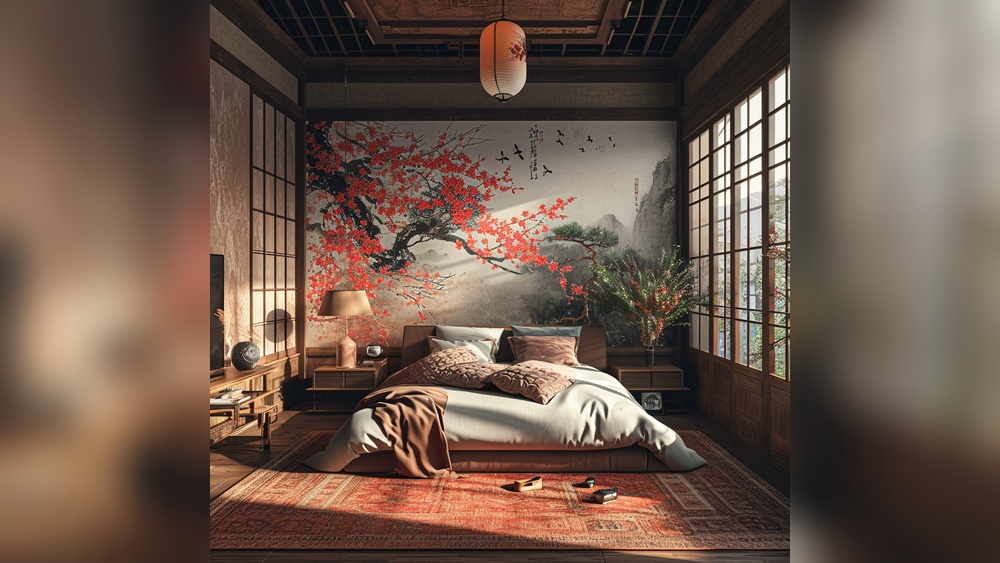
Are you looking to transform your bedroom into a peaceful retreat that feels both simple and elegant? Decorating a Japanese bedroom might be just what you need.
This style focuses on calm colors, natural materials, and clean lines to create a space where you can truly relax. Imagine waking up every day in a room that brings you calm and clarity. Keep reading to discover easy ways you can bring the beauty of Japanese design into your own bedroom.
Your perfect, serene space is closer than you think.
Credit: www.homedit.com
Key Elements Of Japanese Bedroom Design
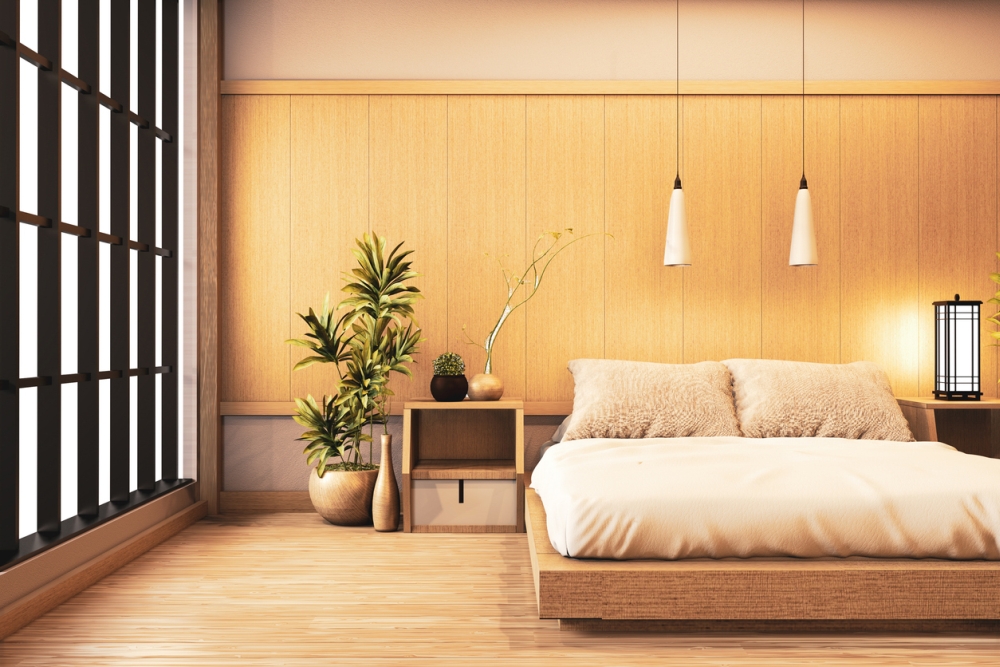
Japanese bedroom design focuses on calm and simplicity. It creates a peaceful space for rest and relaxation. The key elements bring balance and harmony to the room. These features help you connect with nature and clear your mind.
Minimalist Furniture Choices
Choose furniture with clean lines and simple shapes. Avoid bulky or ornate pieces that clutter the space. Low beds or futons keep the room open and airy. Use only essential items to maintain a calm atmosphere.
Natural Materials And Textures
Wood, bamboo, and paper are common in Japanese bedrooms. These materials add warmth and a natural feel. Soft tatami mats or woven rugs enhance comfort. Textures should be gentle and inviting to touch.
Neutral Color Schemes
Use soft, neutral colors like beige, white, and light brown. These shades create a soothing and restful environment. Avoid bright or bold colors that distract the mind. Neutral tones support relaxation and peace.
Incorporating Shoji Screens
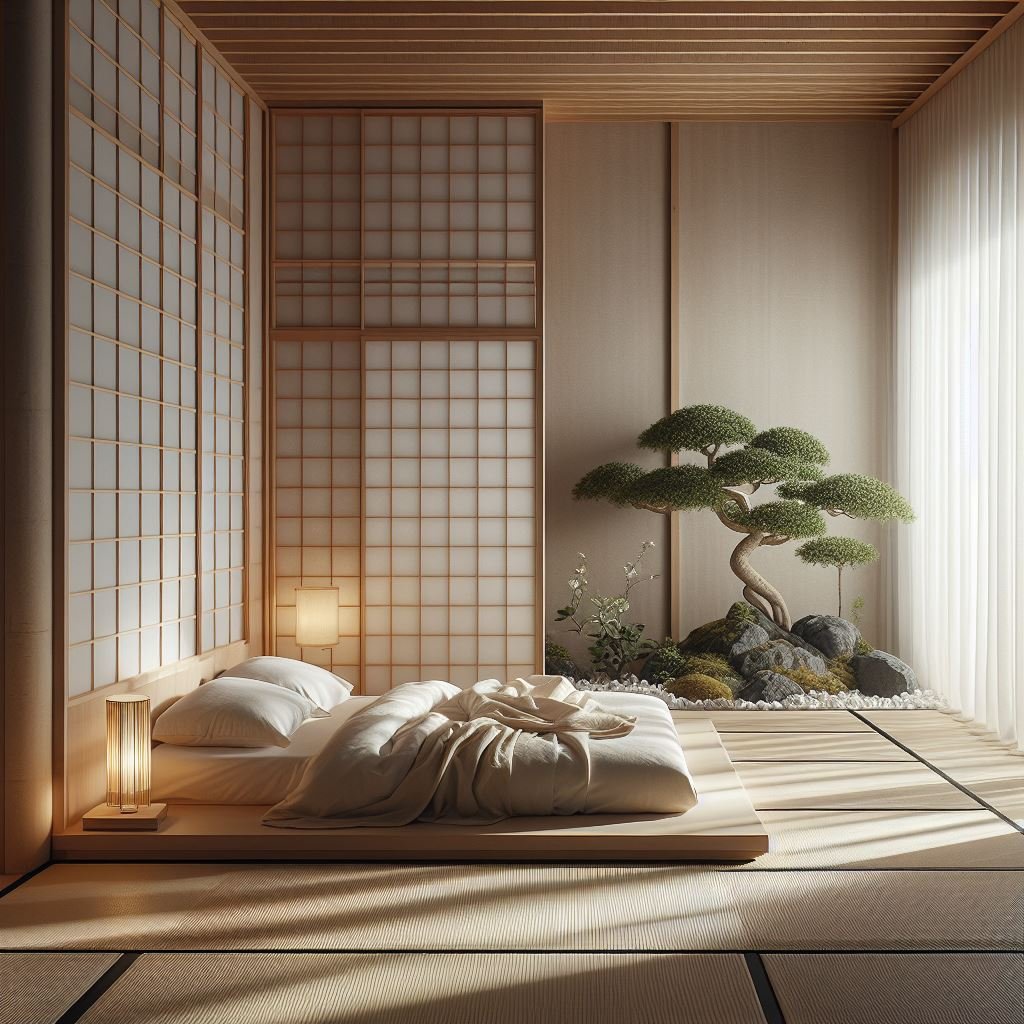
Shoji screens separate spaces without blocking light. They are made from wood and translucent paper. These screens add privacy and elegance to the room. Shoji screens also bring a traditional Japanese touch.
Credit: www.lorddecor.com
Creating A Serene Atmosphere
Creating a serene atmosphere is key to a Japanese bedroom design. It brings peace and calm to your personal space. A quiet room helps your mind and body relax. This section shows simple ways to make your bedroom feel calm and peaceful.
Soft Lighting Techniques
Soft lighting makes a room feel warm and gentle. Use paper lanterns or lamps with rice paper shades. These lights spread a soft, warm glow. Avoid bright or harsh lighting. Dimmer switches help control light levels. Natural light during the day adds freshness. Let light enter through thin curtains or shoji screens.
Using Indoor Plants
Indoor plants bring nature inside and improve air quality. Choose simple plants like bamboo, bonsai, or ferns. Place them in small, plain pots. Plants add green color without clutter. They create a calm feeling and connect you to nature. Care for plants regularly to keep the room fresh and lively.
Balancing Space And Clutter
Japanese design values simplicity and order. Keep your bedroom clean and free from clutter. Use storage boxes and shelves to hide items. Leave open floor space to make the room feel larger. Avoid too many decorations or furniture pieces. A clear space helps your mind feel calm and focused. Balance is the key to a peaceful room.
Furniture And Layout Ideas
Choosing the right furniture and layout is key to creating a peaceful Japanese bedroom. The style focuses on simplicity, natural materials, and openness. Each piece of furniture should serve a purpose and keep the room feeling calm and neat.
Space should flow smoothly. The layout encourages relaxation and rest without clutter. The following ideas help you arrange furniture and choose items that match the Japanese aesthetic.
Low Beds And Futons
Low beds bring a grounded feel to the room. Traditional Japanese bedrooms use futons placed directly on the floor or on tatami mats. These beds create a simple and clean look.
Futons can be folded and stored during the day. This frees up space and keeps the room tidy. Choose futons with natural fabrics for comfort and breathability.
Tatami Mat Placement
Tatami mats define the room’s layout and add warmth. They are made from straw and have a soft texture underfoot. Arrange mats in a grid pattern for balance and order.
Keep pathways clear around the mats to maintain an open feel. Use tatami as the base for seating and sleeping areas. Their natural color blends well with wood furniture.
Storage Solutions
Storage should be hidden to keep the room clean and calm. Use built-in closets or low wooden chests. These options maintain the minimalist look without crowding the room.
Boxes and baskets made of bamboo or wicker add a natural touch. Keep only essentials visible and store the rest out of sight. This approach reduces clutter and stress.
Decorative Accents And Accessories
Decorative accents and accessories bring life to a Japanese bedroom. They add warmth and character without cluttering the space. These small details create balance and harmony, key elements in Japanese design. Choose pieces that reflect simplicity and nature. This enhances the calm and peaceful feel of the room.
Japanese Artwork And Calligraphy
Japanese artwork often features nature, such as cherry blossoms or mountains. These images inspire calm and reflection. Calligraphy, or shodo, adds a personal and cultural touch. Simple black ink on white paper works best. Hang artwork at eye level to create a focal point. Choose frames made from natural materials like wood or bamboo. This keeps the look authentic and minimal.
Textiles And Cushions
Textiles in a Japanese bedroom add softness and comfort. Use natural fabrics like cotton, linen, or silk. Choose cushions in muted colors such as beige, gray, or soft green. Patterns should be simple, like stripes or small florals. Place floor cushions around a low table or near the futon. These create a cozy space for sitting and relaxing. Avoid bright or flashy colors that disrupt calm.
Incorporating Zen Elements
Zen elements help create a peaceful atmosphere. Use items such as small bonsai trees, smooth stones, or bamboo plants. A small water fountain or sand garden adds to the sense of calm. Keep accessories minimal and uncluttered. Space is important. Leave room for breathing and quiet moments. These touches bring nature indoors and promote mindfulness.
Blending Modern And Traditional Styles
Blending modern and traditional styles creates a unique Japanese bedroom. It keeps the calm and simplicity of tradition. It also adds comfort and convenience from modern design. This mix brings balance and beauty to the space.
Contemporary Japanese Design
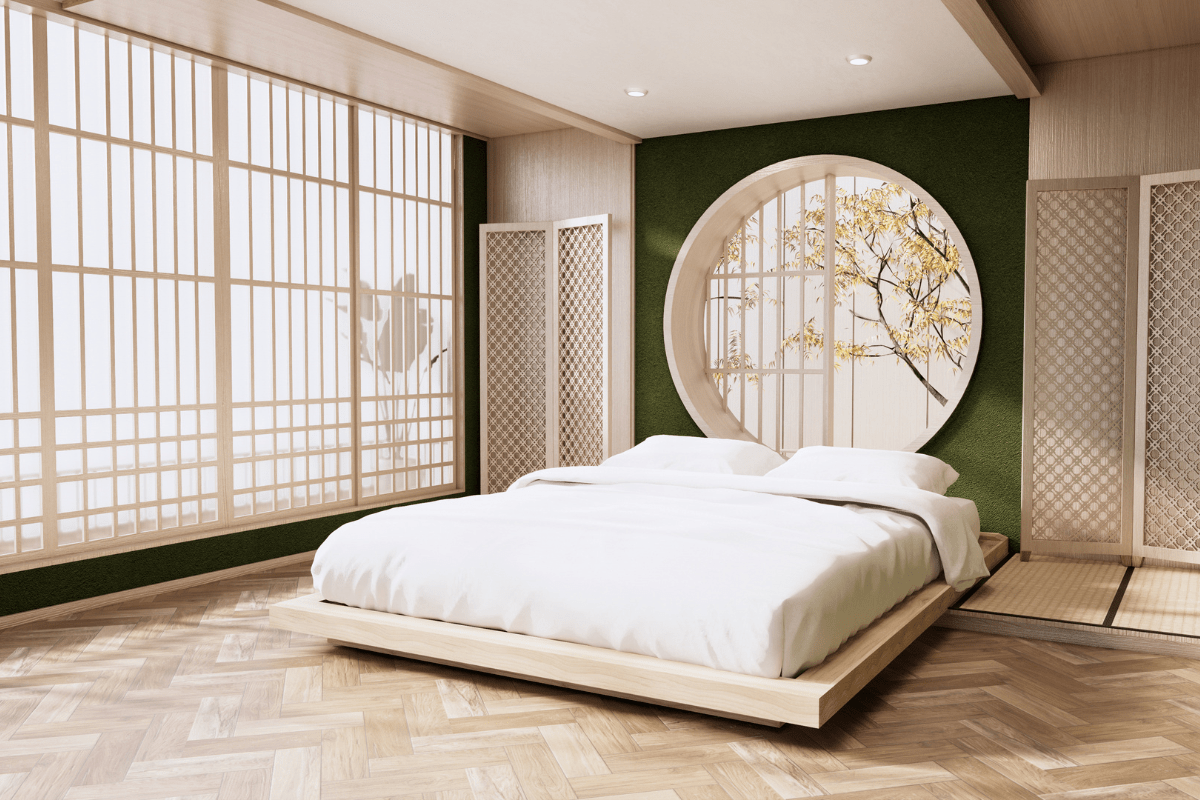
Contemporary Japanese design uses clean lines and open space. It keeps the room simple and peaceful. Use low furniture like futons and platform beds. Add sliding doors or screens to separate areas gently. Soft, natural light fits well in this style.
Mixing Materials And Finishes
Use natural materials like wood, bamboo, and paper for warmth. Combine them with smooth metals or glass for a modern look. Matte wood with glossy surfaces creates nice contrast. Textures bring depth without cluttering the room.
Smart Technology Integration
Smart technology can blend with Japanese style quietly. Use hidden speakers or smart lighting with soft tones. Automated blinds or temperature control add comfort. Keep devices minimal to maintain the room’s calm feel.
Credit: www.decoist.com
Frequently Asked Questions
What Are Key Elements Of Japanese Bedroom Decor?
Japanese bedrooms emphasize simplicity, natural materials, and minimalism. Use tatami mats, shoji screens, low furniture, and neutral colors. Incorporate natural light and plants to create a calm, serene atmosphere.
How To Choose Furniture For A Japanese Bedroom?
Select low-profile, multifunctional furniture made from wood or bamboo. Avoid clutter and opt for sleek, clean lines. Futons and floor cushions are traditional choices that save space and enhance comfort.
Which Colors Suit A Japanese-style Bedroom?
Neutral tones like beige, white, and soft browns work best. Add subtle accents in muted greens or blues to maintain a natural, tranquil vibe. Avoid bright, bold colors that disrupt the peaceful ambiance.
How To Incorporate Lighting In A Japanese Bedroom?
Use soft, warm lighting to create a relaxing mood. Paper lanterns and rice paper lampshades are ideal. Avoid harsh overhead lights; instead, rely on floor or table lamps for gentle illumination.
Conclusion
Creating a Japanese bedroom brings calm and balance to your space. Use simple furniture and natural colors to keep it peaceful. Add soft lighting for a warm feel. Keep the room tidy and free of clutter. Small touches like plants or artwork bring life without chaos.
This style helps you relax and enjoy your room every day. Try these ideas to create your own Japanese bedroom retreat.