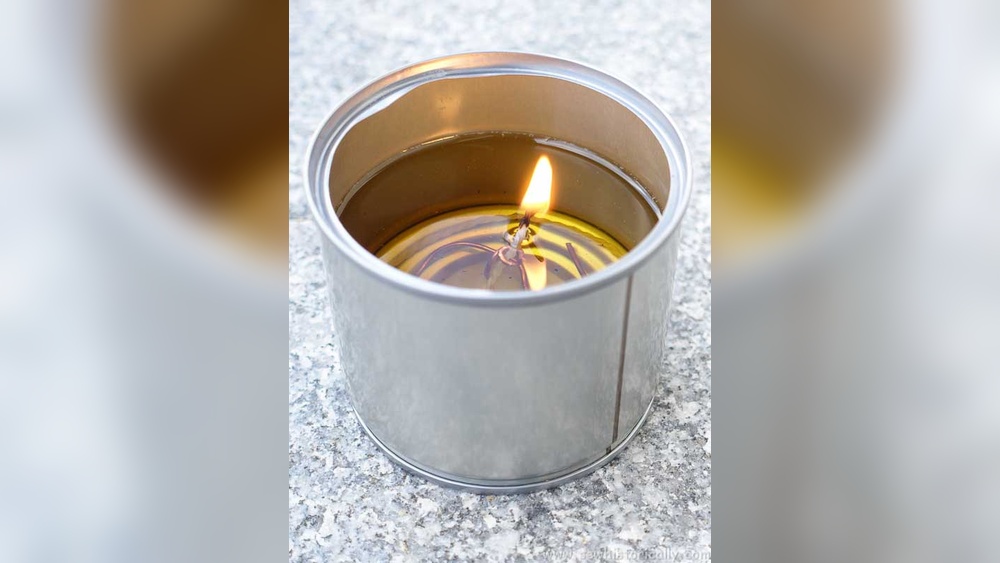
Have you ever wondered what to do with leftover candle or lamp oil when it’s no longer usable? Throwing it down the drain or into the trash might seem easy, but it can harm the environment and even cause safety risks.
If you want to protect your home and the planet, knowing the right way to dispose of these oils is essential. In this guide, you’ll discover simple, safe steps to get rid of candle and lamp oil without worry. Keep reading to learn how you can handle this task responsibly and effortlessly.

Credit: www.youtube.com
Types Of Candle And Lamp Oil
Candle and lamp oils come in different types. Each type has unique features and uses. Knowing these helps in safe disposal and handling. It also helps to choose the right oil for your needs. Below, we explore common ingredients and key differences between these oils.
Common Ingredients
Most candle and lamp oils contain liquid hydrocarbons. These come from petroleum or natural sources. Paraffin oil is common and made from petroleum. Kerosene is another, often used in lamps. Vegetable oils like soy or palm oil appear in candles. These are natural and burn cleaner. Some oils include additives to improve burning and scent. Understanding ingredients helps handle oil safely.
Differences Between Oils
Petroleum-based oils burn longer but may produce more smoke. Vegetable oils burn cleaner but last shorter. Kerosene is strong and used in outdoor lamps. Paraffin is popular for indoor candles. Some oils are scented; others are plain. Scented oils add fragrance but may affect air quality. The type of oil affects disposal method. Knowing the difference prevents pollution and hazards.
Why Proper Disposal Matters
Proper disposal of candle and lamp oil is important for many reasons. These oils can harm the environment and pose health risks if not handled correctly. Knowing why disposal matters helps you make safer choices.
Environmental Impact
Oil spills can pollute soil and water. They harm plants, fish, and other animals. Oils take a long time to break down naturally. Improper disposal can clog drains and harm local ecosystems. Protecting nature means disposing of oils carefully.
Health And Safety Risks
Used oils can catch fire easily. Storing or pouring oils incorrectly can cause accidents. Skin contact with these oils may cause irritation. Fumes from burning or spilled oil can harm breathing. Safe disposal lowers risks for you and others.
Safe Disposal Methods
Safe disposal methods protect the environment and your health. Candle and lamp oil can be harmful if thrown away carelessly. It is important to use the right ways to get rid of these oils. Proper disposal stops pollution and keeps homes safe.
Household Hazardous Waste Programs
Many towns offer household hazardous waste programs. These programs accept candle and lamp oil safely. They use special processes to handle harmful liquids. Check your local waste management website for collection days. Take the oil in a sealed container to the drop-off point. Never pour oil down drains or on the ground. These programs keep toxins out of water and soil.
Recycling Options
Some recycling centers take used oil for processing. They clean and reuse oil to make new products. Call your local recycling center to ask if they accept candle or lamp oil. Use a tightly closed container for transport. Recycling reduces waste and helps conserve resources. It is a smart choice to protect nature.

Credit: www.amazon.com
Eco-friendly Alternatives
Disposing of candle and lamp oil safely protects the environment. Traditional oils can harm water and soil. Eco-friendly alternatives reduce pollution and waste. These options help keep nature clean and safe.
Biodegradable Oils
Biodegradable oils break down naturally in the environment. They do not leave harmful residues. These oils come from plants and natural sources. Using them lowers the risk of water contamination. Choose biodegradable oils for candles and lamps to reduce waste.
Natural Absorbents
Natural absorbents soak up spilled oil safely. Materials like sawdust, sand, and coconut fiber work well. They help prevent oil from spreading on surfaces. After absorption, dispose of the material in compost or trash. Natural absorbents make cleaning easier and eco-friendly.
Preventing Waste
Preventing waste is key to handling candle and lamp oil safely. It helps protect the environment and saves money. Small steps can make a big difference in reducing leftover oil. Careful planning and smart use keep oil out of the trash and drains.
Buying The Right Amount
Buy only what you need for your candles or lamps. Avoid large containers if you use oil rarely. Small bottles reduce the chance of leftover oil going bad. Check how much oil your lamp or candle holder uses. This helps in choosing the right size. Buying less cuts waste and keeps oil fresh.
Reusing Leftover Oil
Use leftover oil to light more candles or lamps. Store it in a clean, airtight container to keep it fresh. Avoid mixing old oil with new types to prevent issues. Leftover oil can also help in outdoor lanterns or garden torches. Reusing saves money and reduces waste. It keeps the oil useful for longer.
Handling Oil Spills
Spilling candle or lamp oil can cause stains and odors. It can also be harmful to surfaces and the environment. Acting quickly helps reduce damage and keeps your space safe.
Immediate Cleanup Steps
First, blot the spill with paper towels or a cloth. Avoid rubbing, which spreads the oil. Sprinkle an absorbent material, like baking soda or sawdust, over the spill. Let it sit for 15 to 30 minutes to soak up the oil. Sweep or vacuum the absorbent material carefully. Clean the area with warm, soapy water to remove any residue. Dry the surface well to prevent slipping or stains.
Disposal Of Contaminated Materials
Place used paper towels and absorbents in a sealed plastic bag. Do not throw them in regular trash if local rules forbid it. Check for hazardous waste disposal options nearby. Many communities have special drop-off points for oil-contaminated waste. Avoid pouring leftover oil down drains or on soil. Proper disposal protects water sources and wildlife.

Credit: www.amazon.com
Frequently Asked Questions
How Do I Safely Dispose Of Candle Oil?
To safely dispose of candle oil, never pour it down drains or toilets. Instead, seal it in a container and take it to hazardous waste disposal centers. This prevents environmental damage and water pollution.
Can I Reuse Leftover Lamp Oil?
Yes, you can reuse leftover lamp oil if it is clean and uncontaminated. Store it in a tightly sealed container away from heat and sunlight to maintain its quality.
Is Candle Oil Hazardous Waste?
Candle oil can be considered hazardous if it contains synthetic chemicals or additives. Check local regulations for proper disposal methods to avoid environmental harm.
What Should I Avoid When Disposing Of Lamp Oil?
Avoid pouring lamp oil into sinks, toilets, or soil. These actions pollute water sources and harm the environment. Always use designated disposal sites for safety.
Conclusion
Proper disposal of candle and lamp oil keeps your home safe. Avoid pouring oil down drains or on the ground. Use local hazardous waste centers to throw oil away. Store leftover oil in sealed containers until disposal. Handle oil carefully to prevent spills and fires.
Small steps protect the environment and your health. Dispose of oil responsibly and reduce pollution risks. Stay safe and keep your space clean and green. Simple actions make a big difference.