Choosing the right lampshade for your table lamp can feel tricky. You want something that looks great, fits perfectly, and gives you the right light.
But how do you know what size lampshade you really need? If you pick the wrong size, your lamp might look off or even cast shadows that annoy you. Don’t worry—this guide will help you find the perfect fit for your lamp.
Keep reading, and you’ll learn simple tips to make your lamp shine just the way you want.
Credit: www.ballarddesigns.com
Choosing The Right Lampshade Size
Choosing the right lampshade size is key for a balanced look. A lampshade that fits well enhances your table lamp’s style and function. Too big or too small can make the lamp look odd or reduce its light.
Follow simple steps to pick the perfect size. Measure your lamp base, think about lamp height, and find the right shade diameter. These steps help you avoid mistakes and get a great fit.
Measure Your Lamp Base
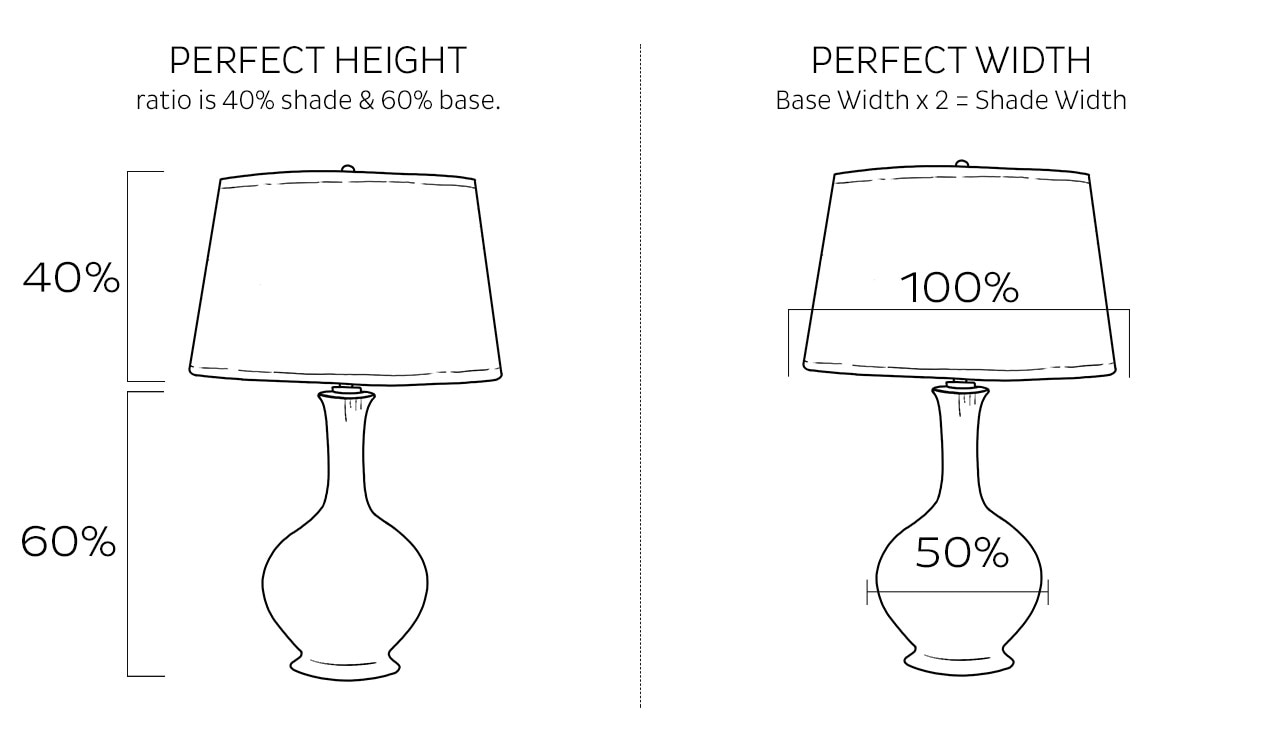
Start by measuring the width of the lamp base. Use a tape measure or ruler. Note the widest part of the base. This helps match the lampshade size to your lamp’s bottom. The shade should be about twice as wide as the base. This balance keeps the lamp stable and attractive.
Consider Lamp Height
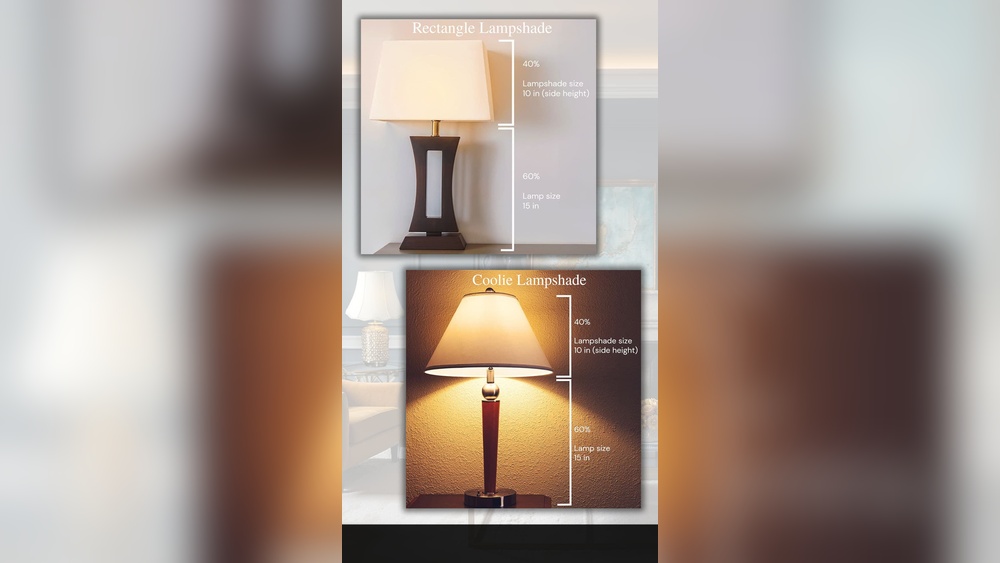
Look at the total height of your lamp from base to socket. The lampshade height should be about 60-70% of the lamp’s height. This ratio ensures the shade covers the light bulb without hiding the base. A proper height keeps the lamp looking neat and well-proportioned.
Determine Shade Diameter
To find the right diameter, measure across the lamp base. Double that number for the shade width. For example, if the base is 8 inches wide, the shade should be about 16 inches in diameter. This rule helps the lampshade blend nicely with the lamp and room.
Matching Shade Shape To Lamp Style
Matching the lampshade shape to the lamp style helps create a balanced look. The right shape can highlight the lamp’s design and add charm to your space. It also affects how the light spreads in the room. Choosing the right combination makes your lamp both useful and beautiful.
Popular Lampshade Shapes
Drum shades have a straight, cylindrical shape. They suit modern and simple lamp bases well. Empire shades are wider at the bottom than the top. These fit classic or traditional lamp styles perfectly. Bell shades have a curved shape that flares out. They work great with vintage or ornate lamps. Square and rectangular shades add a bold look. They pair nicely with contemporary lamps.
Shape And Room Decor
Match the lampshade shape with your room’s style. Soft curves suit cozy, traditional rooms. Straight lines fit modern, minimalist spaces. Consider the furniture shapes around the lamp. Rounded lampshades blend with soft, curved furniture. Angular shades echo sharp, clean furniture lines. The lampshade can connect the lamp to the room’s feel.
Balancing Proportions
The lampshade should be proportional to the lamp base. A large base needs a bigger shade to look right. Small bases look better with smaller shades. Keep the lampshade height about two-thirds the height of the lamp base. The width should be slightly wider than the base. Balanced proportions create a pleasing and stable look.
Material And Color Impact
The material and color of a lampshade affect the look and feel of a room. They change how light spreads and how bright a lamp appears. These choices also influence the mood the light creates. Understanding these effects helps you pick the best lampshade for your table lamp.
Light Diffusion And Brightness
Different materials spread light in different ways. Fabric shades soften light, making it gentle on the eyes. Paper or thin materials let more light through, making the room brighter. Thick or dark materials block more light, creating focused spots. Choose a shade that fits how much light you want.
Color Effects On Ambiance
Colors change the feeling of a room. Light colors reflect light and make a space feel open and fresh. Dark colors absorb light and create a cozy, warm mood. Warm colors like red or orange add energy. Cool colors like blue or green calm the room. Pick colors that match your desired mood.
Material Durability
Some materials last longer than others. Fabric can fade or stain but looks soft and classic. Paper shades are delicate and may tear easily. Metal or plastic shades are strong and easy to clean. Think about where you place the lamp and how much use it gets. Durability matters for a long-lasting look.

Credit: justlampshades.com
Common Mistakes To Avoid
Choosing the right lampshade size is important for your table lamp’s look and function. Many make simple mistakes that affect lighting and style. Avoid these common errors to get the best results.
Oversized Shades
Too large lampshades can overwhelm the lamp base. They may block light and make the lamp look awkward. Large shades can hide the lamp’s design and create too much shadow. Keep the shade size balanced with the base for a neat look.
Undersized Shades
Small lampshades often look out of place and cheap. They might expose the bulb or hardware, causing glare. Tiny shades do not spread light well, making the room feel dark. Choose a shade that covers the bulb and fits the lamp base.
Ignoring Lamp Function
Think about how you use the lamp. Reading lamps need shades that focus light downwards. Decorative lamps can have softer, diffused shades. Ignoring the lamp’s purpose can lead to poor lighting and discomfort. Match the shade style and size to your needs.
Tips For Different Lamp Uses
Choosing the right lampshade size depends on how you use the lamp. Different uses need different lighting styles. Understanding these needs helps pick a perfect lampshade. This section shares tips for various lamp uses.
Task Lighting Needs
Task lighting helps you see details clearly. Use a lampshade that directs light downward. A smaller, more focused shade works best. It reduces glare and brightens your workspace. This choice improves comfort and reduces eye strain.
Ambient Lighting Choices
Ambient lighting fills a room with soft light. Pick a larger lampshade that diffuses light evenly. Light-colored or translucent materials create a warm glow. This setup makes a room feel cozy and inviting. It also helps relax after a long day.
Accent Lighting Ideas
Accent lighting highlights a special area or object. Choose a lampshade with a unique shape or color. This type of lighting adds style and personality. Use smaller shades to focus light on artwork or decor. Accent lighting creates visual interest and depth.
Diy Lampshade Customization
DIY lampshade customization lets you create a perfect fit for your table lamp. It also helps add a personal touch to your room decor. Customizing a lampshade is easier than you might think. You only need some basic tools and a little patience. The result is a unique lampshade that matches your style and lamp size.
Measuring For Custom Fit
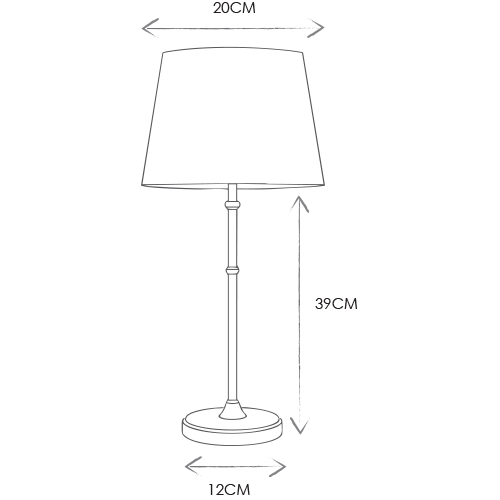
Start by measuring your lamp carefully. Measure the height of the lamp base. Next, check the width at the widest part. Your lampshade should be about two-thirds the height of the lamp base. Also, the shade’s width should be slightly wider than the base. Use a tape measure for accuracy. Write down all measurements before starting your project.
Selecting Fabrics And Trims
Choose fabric that suits your room style. Cotton and linen work well for a soft look. Silk or satin add a touch of elegance. Pick colors that match your decor or create contrast. For trims, select ribbons, beads, or lace. These details add charm and uniqueness. Make sure the fabric is thick enough to block strong light but thin enough to let light through softly.
Simple Crafting Techniques
Cut fabric according to your measurements. Use fabric glue or a hot glue gun for easy attachment. Wrap fabric around the lampshade frame smoothly. Add trims along the edges for a neat finish. Let glue dry completely before using the lamp. Avoid complicated sewing if you want a quick project. These simple steps make your lampshade look polished and beautiful.
Credit: www.jim-lawrence.co.uk
Frequently Asked Questions
What Size Lampshade Fits A Standard Table Lamp?
A lampshade should be about two-thirds the height of your table lamp base. Its width should match or be slightly wider than the lamp base for balance and proper light distribution.
How To Measure Lampshade Diameter For Table Lamps?
Measure the diameter at the widest part of the lampshade. Typically, it should be 1. 5 times the height of the lamp base for proportional aesthetics and optimal lighting.
Can A Too-large Lampshade Affect Lighting?
Yes, an oversized lampshade can block light and reduce brightness. It may also overwhelm the lamp base and room decor, causing an unbalanced look.
What Lampshade Height Suits A Table Lamp?
Choose a lampshade height about 60-80% of the lamp base height. This proportion ensures the lamp looks balanced and provides adequate light coverage.
Conclusion
Choosing the right lampshade size improves both style and light. A shade too big or small can look awkward. Measure your lamp base and height before buying. A well-sized shade balances the lamp’s shape and room space. It also helps light spread evenly and comfortably.
Remember, simple steps lead to the best choice. Enjoy a cozy, well-lit space with the perfect lampshade. Your lamp will look great and work well every day.