Have you ever wondered what the very first artificial Christmas trees were made of? If you think they were always the shiny, plastic ones you see today, think again.
The story behind these early holiday decorations is surprising and might change the way you feel about your own Christmas tree. Keep reading to uncover the fascinating materials and history that started this festive tradition. You won’t want to miss these curious details that make artificial trees more than just decorations.
Credit: bethcollier.substack.com
Early Christmas Tree Traditions
Early Christmas tree traditions began long ago in Europe. People used evergreen trees to celebrate winter. These trees symbolized life and hope during cold, dark months. Families decorated trees with natural items found nearby. This practice grew over time and became a holiday custom.
The first artificial Christmas trees came from these early traditions. People wanted to enjoy trees without cutting real ones. They created new ways to make trees last longer. Understanding these beginnings helps us see how modern trees evolved.
Origins Of Christmas Trees
Christmas trees started in Germany during the 16th century. Families placed fir branches inside their homes. These green branches brought freshness during winter. Later, whole small trees were decorated with fruits and candles. The idea spread across Europe and then to America.
Artificial trees appeared as a way to keep the tradition alive. Real trees could be costly and hard to find. People experimented with different materials to make fake trees. These early versions aimed to look like natural evergreens.
Materials Used In Early Decorations
Early decorations used simple, natural items. People hung nuts, apples, and berries on branches. Paper and cloth were also common for making ornaments. Candles were placed carefully to add light and warmth.
When artificial trees were made, they often used feathers. Goose feathers were dyed green to resemble pine needles. The feathers were attached to wire branches. This method created a safe and reusable tree option.
Other materials included wood and metal for small ornaments. Early artificial trees focused on durability and appearance. This helped families enjoy Christmas trees for many years.

Credit: en.wikipedia.org
The First Artificial Trees
Artificial Christmas trees are common today. Few know how they began. The first trees were simple but clever. People wanted a tree that lasted longer. One that did not drop needles or need water.
These early trees were made long ago. They helped families enjoy the holiday without mess. The materials used were different from today’s plastic trees. Understanding these origins shows how Christmas traditions evolved.
Inception Of Artificial Trees
The idea started in the 19th century. People sought alternatives to real pine trees. Real trees were hard to find in cities. They also posed fire risks and created waste. Inventors began crafting trees from new materials. The first designs aimed to mimic real branches and needles.
These early artificial trees appeared mostly in Germany. They used natural and man-made parts. Some were painted to look green. The goal was a tree that stayed fresh all season.
Common Materials In Early Models
The first artificial trees used many materials. Goose feathers dyed green were popular. Feathers attached to wire branches created a soft look. Some trees used brush bristles or cotton. These gave a fir-like texture and shape.
Metal wire was important to hold branches. Wood was used for bases or trunks. Early makers mixed materials for strength and realism. These trees were handmade, unique, and durable.
Such materials made early trees safer and reusable. They were a new way to celebrate Christmas. The tradition of artificial trees began with simple, smart choices.
Feather Trees And Their Popularity
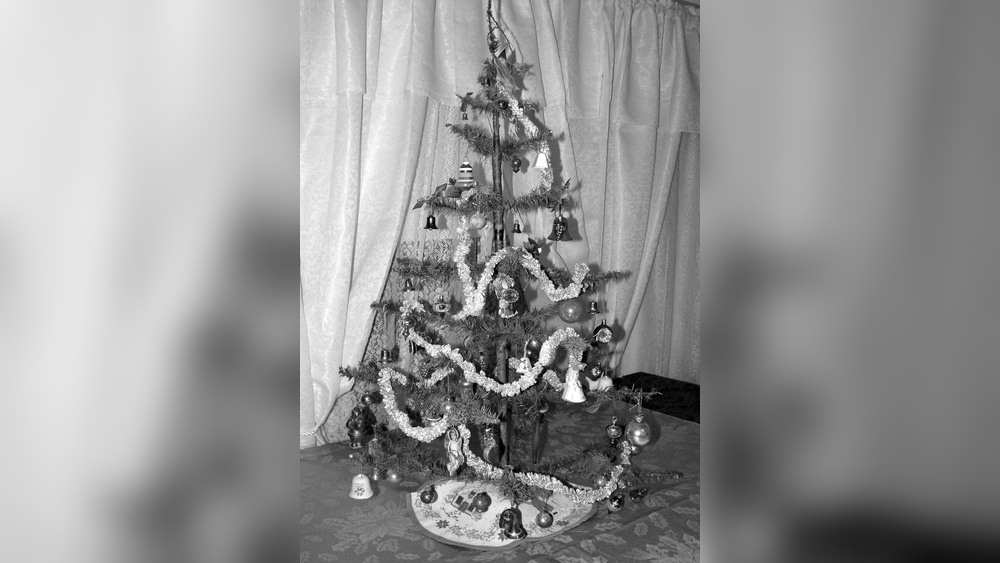
Feather trees were among the first artificial Christmas trees made. They gained popularity in the early 20th century. These trees looked different from real pine trees but had a charm of their own. Many families used feather trees as a new way to celebrate Christmas indoors. Their unique design and easy maintenance made them a favorite choice.
Use Of Goose Feathers
Feather trees were made using goose feathers. These feathers were dyed green to mimic pine needles. The soft texture of the feathers gave the tree a natural look. Goose feathers were strong enough to hold their shape well. This made the tree durable and able to last many seasons.
Manufacturing Process
First, goose feathers were cleaned and dyed green. Then, the feathers were cut into small pieces. These pieces were attached to wire branches. The branches were fixed on a central wooden pole. This process created a full and bushy tree shape. Each feather was carefully placed to look like real needles.
Why Feather Trees Became Popular
Feather trees were easy to keep and reuse. They did not shed needles like real trees. Families liked the clean and neat look of these trees. Feather trees were also safer to use around candles. Their unique style fit well with early 1900s home decor. They became a special part of holiday celebrations for many.
Other Early Materials Explored
Early artificial Christmas trees were made from a variety of materials. These materials reflected the creativity and resources of the time. People wanted a green tree all year, so they experimented with different substances. Some options were unusual but helped shape the future of fake trees.
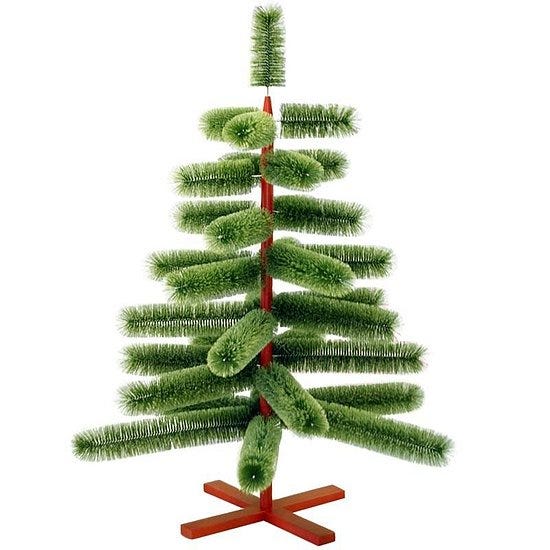
Brush Bristle Trees
Brush bristle trees were made from the same bristles used in bottle brushes. They had stiff, green-tinted bristles that looked like pine needles. These trees were durable and could hold their shape well. They also resisted fire better than real trees. Brush bristle trees became popular in the early 1900s. They offered a safer and reusable alternative to real trees.
Metal And Tinsel Trees
Metal and tinsel trees appeared as a shiny, modern choice. Some were made from thin metal strips shaped like branches. Others used tinsel to mimic the sparkle of real pine needles. These trees reflected light and added a festive glow to rooms. Metal and tinsel trees were lightweight and easy to clean. They gained popularity during the mid-20th century, especially in urban homes.
Health And Safety Concerns
The first artificial Christmas trees brought some health and safety worries. Early designs used materials that posed risks to homes and families. These concerns became important as more people used these trees during the holidays.
Flammability Issues
Early artificial trees were highly flammable. Made from materials like painted feathers or wax-coated cotton, they could catch fire easily. A small spark from candles or lights might start a dangerous blaze. This risk led to many accidents and fires during Christmas time.
Homes with these trees needed extra care. People had to keep open flames far away. The flammability issue pushed manufacturers to find safer materials later on.
Toxic Materials In Early Trees
Some early artificial trees contained toxic substances. For example, lead paint was often used to color feathers or branches. Lead is harmful to health, especially for children and pets. Breathing in dust or touching these trees could cause poisoning.
Other chemicals in the trees could cause allergic reactions or skin irritation. Awareness of these dangers helped improve safety standards. Modern artificial trees are now free from harmful toxins, making them safer for families.
Evolution Of Artificial Christmas Trees
The story of artificial Christmas trees shows a long path of change and improvement. Early versions were simple and often made from natural or basic materials. Over time, new materials helped make trees look more real and last longer. Today’s trees are very different from the first ones. They reflect many years of innovation.
Transition To Pvc And Plastic
At first, artificial trees used feathers or metal wires. These materials did not feel like real branches. In the 1950s, makers started using PVC, a type of plastic. PVC allowed the trees to look fuller and greener. This change made artificial trees more popular. Plastic needles could be shaped to look like pine needles. They were also safer and easier to clean than older materials.
Modern Materials And Designs
Today’s artificial trees use new plastics and fibers. These materials help trees look very real. Some have built-in lights and even smell like pine. Designs now include many colors and sizes to fit any home. Modern trees are easy to set up and take down. They last many years and need no watering. These improvements make holiday decorating simple and fun.
Cultural Impact And Collectibility
Artificial Christmas trees have a special place in holiday traditions. Their cultural impact goes beyond decoration. They represent changing tastes and new ways to celebrate Christmas. Early trees made from materials like feather and metal reflect the creativity of past generations.
These vintage trees have become prized items for collectors. People value them for their history and unique designs. Collecting old artificial trees connects people to the past and brings holiday memories alive.
Vintage Artificial Trees Today
Many vintage artificial trees are still available today. Feather trees, first made in Germany, remain popular among collectors. Their soft, delicate branches are unique and different from modern plastic trees. Other early trees made of aluminum or spun glass also attract attention. These pieces often appear in holiday markets and auctions.
Collectors appreciate the craftsmanship of these early designs. They show how people adapted materials to create festive decorations. Vintage trees remind us of simpler holiday celebrations and the joy of creativity.
Collector’s Market And Nostalgia
The collector’s market for early artificial Christmas trees continues to grow. Many buyers seek these trees for their nostalgia and charm. Owning a vintage tree connects people to family traditions and past celebrations.
Prices for rare trees can be high. Feather trees with original stands or packaging are especially prized. Nostalgia plays a big role in their value. These trees bring a warm feeling of Christmases long ago.
Collectors often display vintage trees during the holidays. This keeps old traditions alive. It also introduces new generations to the history behind artificial Christmas trees.

Credit: www.threads.com
Frequently Asked Questions
What Materials Were Used For The First Artificial Christmas Trees?
The first artificial Christmas trees were made from goose feathers dyed green. These feather trees originated in Germany during the 19th century to mimic real pine trees.
Why Were Goose Feathers Chosen For Early Artificial Trees?
Goose feathers were chosen because they could be easily dyed green and shaped. They provided a realistic texture and were a natural, affordable material at the time.
When Did Artificial Christmas Trees First Appear?
Artificial Christmas trees first appeared in the late 1800s, primarily in Germany. They were created as a cleaner and reusable alternative to real pine trees.
How Did Early Artificial Trees Differ From Modern Ones?
Early artificial trees used natural materials like feathers, unlike modern trees made from PVC or plastic. They were handcrafted and less durable but environmentally friendly.
Conclusion
The first artificial Christmas trees were made from green feathers. People used goose feathers dyed green to look like pine needles. These trees became popular because they were reusable and safe from fire. Over time, materials changed to plastic and other fibers.
This shows how Christmas traditions evolve with new ideas. Understanding the history helps us appreciate today’s holiday decorations more. Artificial trees remain a practical and festive choice for many families. Simple beginnings led to the variety we enjoy now.