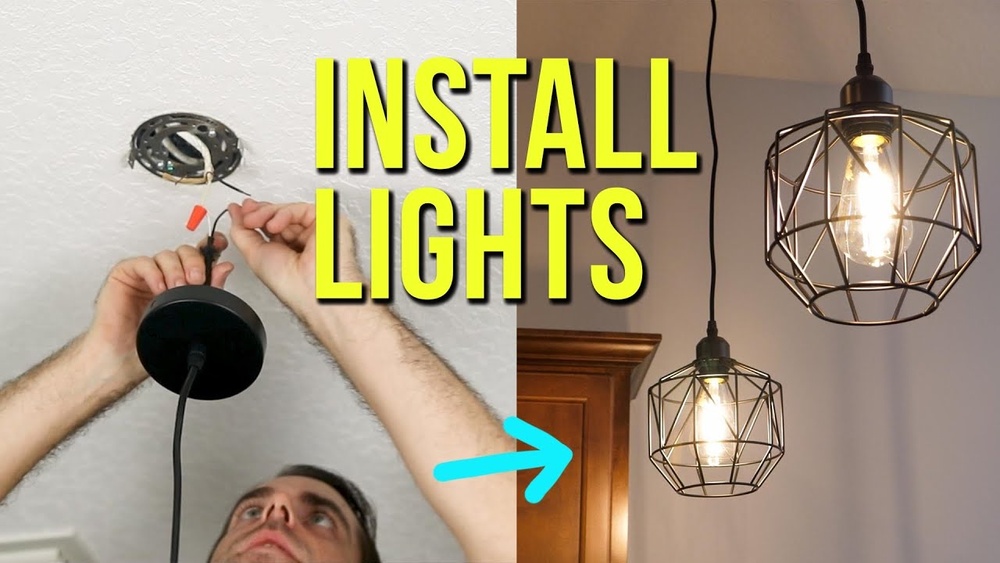
Looking to add a stylish touch to your space? Installing pendant lights is one of the easiest ways to transform any room with a warm, inviting glow.
But if you’ve never done it before, the idea might feel overwhelming. Don’t worry—you’re about to discover a simple, step-by-step guide that makes the process clear and manageable. By the end, you’ll have the confidence to brighten up your home exactly how you want.
Ready to get started? Let’s dive into how to install pendant lights like a pro.

Credit: www.youtube.com
Choosing The Right Pendant Light
Choosing the right pendant light is important for both function and style. It can change the look of any room. Picking the correct light helps set the mood and improve the room’s brightness.
Many factors affect the choice. Think about the room’s size, the light’s purpose, and your personal taste. Understanding these helps you select a pendant light that fits perfectly.
Types Of Pendant Lights
Pendant lights come in many shapes and designs. Single pendants hang from one cord or chain. Multi-light pendants have several bulbs on one fixture. Drum pendants offer a soft, diffused light with a fabric shade. Glass pendants provide clear or colored light and come in many shapes.
Choose a type that matches your room’s needs. A large dining table may need multiple lights. A small kitchen island might suit a single pendant.
Size And Scale Considerations
Size matters when choosing a pendant light. Large pendants can overwhelm small rooms. Small pendants may look lost in big spaces. Measure the space before buying.
Consider the height too. Pendants should hang at the right level. Too low can block views. Too high may not light the area well.
Selecting The Perfect Style
Style sets the tone of the room. Modern lights suit minimalist spaces. Vintage or industrial lights fit rustic or loft styles. Choose colors and materials that blend with your decor.
Think about the room’s theme and color palette. The pendant should enhance, not clash. Simple styles work well in many rooms.

Credit: 100things2do.ca
Gathering Tools And Materials
Before installing pendant lights, gather all necessary tools and materials. Preparation saves time and helps avoid mistakes. Knowing what you need makes the process smoother and safer.
Essential Tools
Start with basic tools. A screwdriver set is a must for screws and mounting brackets. Wire strippers help expose wire ends safely. A voltage tester ensures no live wires before work. A drill with bits will make holes if needed. Pliers help twist wires together tightly. A ladder or step stool gives you reach.
Safety Gear
Safety gear protects you during installation. Wear safety glasses to guard your eyes from dust. Use insulated gloves to avoid electric shocks. A dust mask keeps you safe from particles. Make sure your clothes cover your arms and legs. Keep a flashlight handy in case of poor lighting.
Additional Supplies
Some supplies are needed beyond tools and gear. Electrical tape secures wire connections. Wire nuts join wires safely. Mounting hardware often comes with the light fixture. Have extra screws and anchors just in case. A pencil helps mark spots for drilling. Keep a clean cloth nearby for cleanup.
Preparing The Installation Area
Preparing the area for pendant light installation makes the process smooth. It ensures safety and proper setup. Follow these key steps before starting the installation.
Turning Off Power
Safety is the top priority. Switch off the power at the circuit breaker. Double-check that the light switch is off too. Use a voltage tester to confirm no electricity flows.
Removing Old Fixtures
Remove the existing light fixture carefully. Unscrew the fixture and disconnect the wires. Keep track of screws and parts for reuse or disposal. Clean the area for a neat installation.
Checking Wiring And Support
Inspect the wiring for damage or wear. Replace any frayed or old wires. Verify the ceiling box is strong enough to hold the pendant light. Add support if the fixture is heavy.
Installing The Mounting Bracket
Installing the mounting bracket is the first step in hanging your pendant lights. This bracket holds the light fixture safely in place. Getting it right ensures your light stays secure and stable. Follow the steps carefully to avoid any issues.
Locating Ceiling Joists
Find the ceiling joists before you attach the bracket. Joists provide strong support for your light. Use a stud finder to locate them. Mark the spots clearly with a pencil. Avoid drilling into drywall alone, as it cannot hold the weight.
Securing The Bracket
Place the mounting bracket on the marked joist area. Align the holes on the bracket with the joist marks. Use screws designed for wood or metal joists. Tighten the screws firmly but do not over-tighten. The bracket should sit flush against the ceiling.
Ensuring Stability
Check that the bracket does not move or wobble. Give it a gentle shake to test stability. If it shifts, tighten screws more or try a different joist. A stable bracket keeps the pendant light safe. Confirm it can hold the fixture’s weight before continuing.
Wiring The Pendant Light
Wiring the pendant light is a key step in its installation. This step involves connecting electrical wires to power the light safely. Careful wiring ensures the light works well and avoids any electrical hazards.
Take your time and follow safety rules. Turn off the power at the circuit breaker before starting. Use tools like wire strippers and a voltage tester to handle wires correctly.
Connecting Wires Safely
Match the wires by color. Usually, black or red wires are live, white wires are neutral, and green or bare wires are ground. Connect the same colors together.
Strip about half an inch of insulation from each wire end. Hold wires firmly and twist them together before securing. Avoid loose connections to prevent sparks or shorts.
Using Wire Nuts And Connectors
Wire nuts secure wire connections and prevent exposure. Choose the right size nut for the wire bundle. Twist the nut clockwise until it is tight and wires are secure.
For extra safety, use electrical tape around wire nuts. This holds the wires in place and stops the nuts from loosening over time.
Double-checking Connections
After wiring, check all connections again. Tug each wire lightly to confirm it is tight. Look for any exposed wire or loose strands.
Use a voltage tester to verify no current flows before restoring power. Proper double-checking reduces risks of electrical problems later.

Credit: www.wikihow.com
Attaching The Pendant Light
Attaching the pendant light is a key step in the installation process. It involves securing the fixture to the ceiling, adjusting the height, and installing the bulbs. Doing this carefully ensures the light hangs safely and looks great.
Securing The Fixture
First, turn off the power from the main switch. This keeps you safe during installation. Next, connect the wires from the ceiling to the fixture wires. Usually, black connects to black, white to white, and the green or copper wire to the ground. Use wire nuts to secure the connections.
Attach the mounting bracket to the ceiling box using screws. Then, carefully lift the pendant light and fix it to the bracket. Tighten all screws to hold the fixture firmly in place. Make sure it does not wobble.
Adjusting Height And Position
Many pendant lights come with adjustable cords or rods. Decide how low or high you want the light to hang. Shorten or lengthen the cord to fit your space. Keep the light at a height that provides good illumination and looks balanced.
Check that the pendant hangs straight. Adjust the position by shifting the cord or rod if needed. A level light improves the room’s appearance and function.
Installing Bulbs
Choose bulbs that match the fixture’s requirements. Look for the correct wattage and shape. Screw each bulb into the socket carefully. Avoid touching the glass with bare hands to keep bulbs clean.
Test the light by turning the power back on. Make sure all bulbs light up properly. Replace any bulbs that do not work before finishing the project.
Testing And Final Touches
After installing your pendant lights, the final step is testing and adding finishing touches. This step ensures your lights work correctly and look great. It also helps spot any issues before you finish. Take your time to restore power safely, check the lights, and clean the area. A few simple steps make your new lighting shine perfectly.
Restoring Power
First, turn the power back on at the circuit breaker. Use a tester to confirm power is active. Never touch wires without checking power first. Safety is the top priority during this step. Once power is restored, your pendant light is ready for testing.
Checking Light Functionality
Switch on the pendant light to test its function. The bulb should light up immediately and stay steady. Flickering or dim light may mean a loose connection or wrong bulb. Tighten any loose parts carefully. Replace the bulb if needed. Confirm the switch controls the light as expected.
Cleaning And Styling Tips
Clean the pendant light to remove dust and fingerprints. Use a soft cloth and mild cleaner. Avoid harsh chemicals that damage surfaces. Arrange furniture and decor to highlight the light. Consider the height and angle for best effect. A clean, styled space enhances your pendant light’s beauty.
Troubleshooting Common Issues
Troubleshooting is part of installing pendant lights. Small problems can stop your light from working well. Fixing these issues is often simple. Understanding common problems saves time and frustration. This guide helps you solve typical pendant light issues fast.
Light Flickering
Flickering lights can be annoying and unsafe. Check if the bulb is screwed in tightly. Loose bulbs cause flickers. Use the correct bulb type and wattage for the fixture. Bad bulbs or dimmer switches may cause flickering. Try replacing the bulb first. If flickering continues, check the wiring connections or consult an electrician.
Loose Fixtures
Loose pendant lights sway or hang unevenly. This happens if the mounting bracket is not tight. Turn off the power before adjusting the fixture. Use a screwdriver to tighten all screws and bolts. Check the ceiling box for stability. Secure the fixture firmly to prevent movement. Proper support keeps your light safe and steady.
Electrical Concerns
Electrical problems can be dangerous. Always turn off the power at the breaker before working. Look for exposed wires or damaged insulation. Loose connections may cause sparks or shorts. Use wire nuts to secure connections. If unsure about wiring, call a professional. Safety is the top priority during installation.
Frequently Asked Questions
How Do I Safely Install Pendant Lights?
Turn off power at the circuit breaker before installation. Use a voltage tester to confirm no electricity flows. Follow the manufacturer’s instructions closely. Securely mount the bracket and connect wires correctly. Always use proper tools and safety gear to avoid accidents.
What Tools Are Needed To Install Pendant Lights?
You need a screwdriver, wire stripper, voltage tester, drill, and pliers. A ladder and electrical tape are also helpful. Having all tools ready ensures a smooth installation process. Proper tools improve safety and efficiency during setup.
How High Should Pendant Lights Hang?
Hang pendant lights 28 to 34 inches above kitchen counters. For dining tables, maintain 30 to 36 inches distance. Adjust height based on ceiling height and room size. Correct height ensures optimal lighting and aesthetic balance.
Can I Install Pendant Lights On A Sloped Ceiling?
Yes, use an adjustable or swivel canopy designed for sloped ceilings. This allows the pendant to hang straight down. Proper mounting ensures safety and maintains the fixture’s appearance. Always check the product specifications before installation.
Conclusion
Installing pendant lights can brighten any room with style and ease. Follow each step carefully to ensure safety and a secure fit. Choose the right tools and bulbs for the best results. Take your time and double-check all connections. Enjoy the warm glow and fresh look these lights bring to your space.
A simple upgrade that makes a big difference. Ready to light up your home?