Are you tired of fake Christmas trees that look more like a plastic decoration than a real tree? Finding the most realistic artificial Christmas tree can make all the difference in creating a warm, festive atmosphere in your home.
Imagine having a tree that looks so natural, your guests won’t believe it’s not real. You’ll discover which types of artificial Christmas trees come closest to the real thing, helping you choose the perfect tree that feels just right for your holiday celebrations.
Keep reading to find out how to bring that authentic holiday magic into your living room.
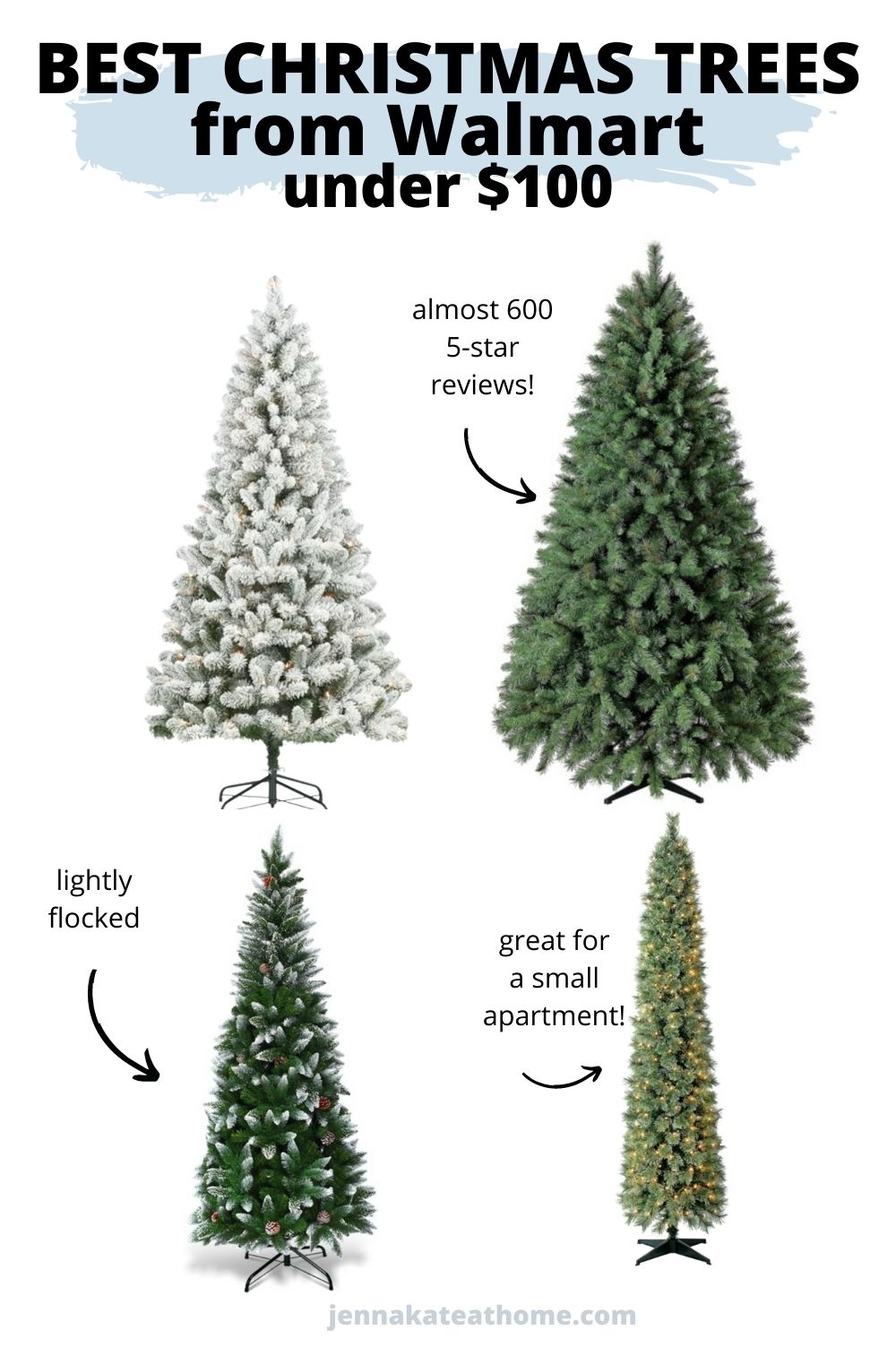
Credit: jennakateathome.com
Realistic Tree Materials
Choosing the most realistic artificial Christmas tree depends a lot on the materials used. The look and feel of the needles make a big difference. Some materials look shiny and fake. Others mimic the soft, natural look of real pine needles. Knowing the types of materials helps you pick the best tree for your home.
Pvc Vs Pe Needles
PVC needles are common in many artificial trees. They are flat and shiny. This makes them less like real pine needles. PVC trees are usually cheaper and lighter. PE needles, or polyethylene, look thicker and more natural. They have a textured surface that feels soft and realistic. PE trees often cost more but offer a better look. Many people prefer PE for its close-to-real appearance.
Hybrid Trees
Hybrid trees mix PVC and PE needles. This blend balances cost and realism. The PE needles form the tips of the branches. The PVC needles fill in the inner parts. This design makes the tree look full and real. Hybrid trees feel softer and have a natural shape. They offer a good middle ground for buyers. These trees suit those wanting beauty without a high price.
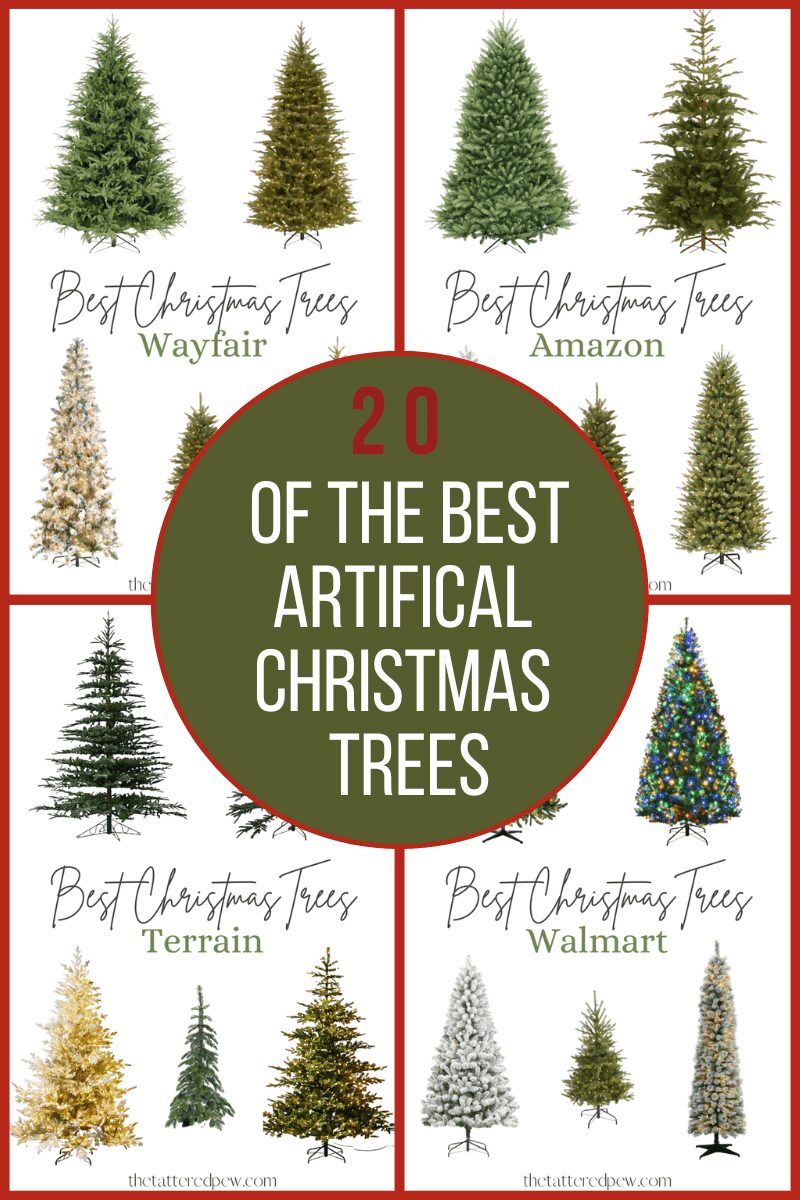
Credit: www.thetatteredpew.com
Tree Construction Techniques
Tree construction techniques define how close an artificial Christmas tree looks to a real one. These techniques shape the tree’s texture, fullness, and overall appeal. The way branches attach and move plays a big role. Two common methods stand out for their realism and ease of use.
Tip-over Branches
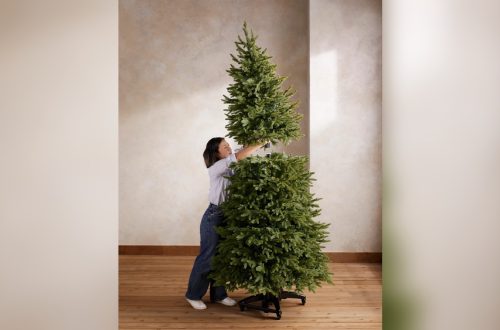
Tip-over branches fold up for easy storage. You pull them down to open. This method creates a natural, full look. Branches spread out evenly like a real tree.
The branches often have wire inside. This lets you shape them to your liking. You can bend them slightly to mimic real tree needles. It adds depth and realism.
Hand-inserted Branches
Hand-inserted branches are placed by hand into the tree trunk. This method is slower but looks very natural. Each branch fits tightly, creating a dense, full tree.
This technique helps avoid empty spaces. The branches sit at different angles and heights. It gives the tree a realistic, layered appearance. Many high-end artificial trees use hand-inserted branches for lifelike beauty.
Color And Texture Details
Color and texture play a big role in how real an artificial Christmas tree looks. A tree that mimics the natural shades and feel of real pine draws you in. These details help create a warm, festive atmosphere without the mess of real needles. Small touches in color and texture bring the tree to life.
Needle Color Variations
Real pine needles are not one flat color. They show many shades of green. Some needles are dark green, others lighter or even a bit yellowish. The best artificial trees use this mix of colors. This variation makes the tree look natural and full. Single-color trees often look fake and plastic.
Some trees add hints of brown or frosty white to mimic real pine tips. These small color changes add depth. The needles also have a soft shine, not too glossy or dull. This gives a fresh, natural look that feels right in any room.
Branch Texture And Shape
Branches on real pine trees are not all the same size or shape. They have a mix of thick and thin, short and long. Artificial trees that copy this feel more real. Branches with different shapes and uneven tips create a natural silhouette.
The texture matters too. Real pine branches are a little rough and soft, not smooth or stiff. High-quality artificial trees use materials that feel like real pine. They bend gently and hold their shape without looking fake. This texture invites you to touch and admire the tree’s natural style.
Popular Realistic Tree Brands
Many brands make artificial Christmas trees that look real. They use different materials and designs to copy real pine needles. Some brands focus on quality and detail. Others offer trees that look good but cost less. Knowing popular brands helps you choose a tree that fits your needs.
High-end Options
Tall, full, and detailed. High-end trees use special PVC and PE needles. These needles feel soft and look natural. Brands like Balsam Hill are famous for lifelike trees. They often include built-in lights and sturdy branches. These trees last many years and hold heavy ornaments well. They cost more but offer strong value.
Budget-friendly Choices
Affordable trees can also look quite real. Brands like National Tree Company make trees with good shape and needle detail. They use a mix of PVC and thin PE branches. These trees are lighter and easier to set up. They work well for small rooms or tight budgets. Some even come pre-lit for convenience.
Size And Shape Options
Choosing the right size and shape of an artificial Christmas tree helps create a natural look. Trees come in many shapes and sizes to fit different rooms and styles. Knowing your options makes it easier to pick a tree that feels real and suits your space perfectly.
Slim Vs Full Trees
Slim trees have a narrow profile. They fit well in small rooms or tight corners. Their branches are spaced to look like real trees that grow in limited space. Slim trees show detail in the needle design and branch tips.
Full trees spread wide and have dense branches. They mimic big, healthy pine trees. Their shape feels rich and lush. Full trees hold more ornaments and create a strong festive look. The fullness helps hide the tree stand and frame well.
Pre-lit Vs Unlit
Pre-lit trees come with built-in lights. The lights are evenly spread on branches. This adds a warm, glowing effect that looks natural at night. You save time setting up lights, and the tree looks ready to shine.
Unlit trees allow you to customize lighting fully. You can choose your favorite lights and colors. This option helps if you want a unique style or brighter lights. The tree’s needles and shape remain the focus without glow.
Maintenance And Longevity
Maintaining an artificial Christmas tree is key to keeping it realistic and fresh year after year. Proper care helps preserve its shape, color, and needle texture. This section covers simple tips to clean and store your tree. These steps extend the tree’s life and keep it looking natural.
Cleaning Tips
Dust can settle on branches, making the tree look dull. Use a soft brush or cloth to wipe needles gently. Avoid harsh chemicals that may damage the tree’s color. A vacuum cleaner with a brush attachment helps remove dirt from hard-to-reach spots. Clean the tree before storing to avoid mold or odors later. Spot clean any stains with mild soap and water. Let the tree dry completely before packing it away.
Storage Best Practices
Store the tree in a cool, dry place to prevent damage. Use a sturdy box or tree storage bag to protect it from dust and pests. Avoid crushing branches by not placing heavy objects on top. Keep the tree away from direct sunlight to stop fading. Disassemble the tree carefully and wrap fragile parts separately. Proper storage helps the tree keep its shape and look real longer.
Cost Vs Realism Balance
Finding the right artificial Christmas tree means balancing cost and how real it looks. Trees that look very real often cost more. Cheaper trees may not have the same fine details. Understanding this balance helps you pick a tree that fits your budget and style. Let’s explore what to expect at different price levels and where to spend wisely.
What To Expect At Different Price Points
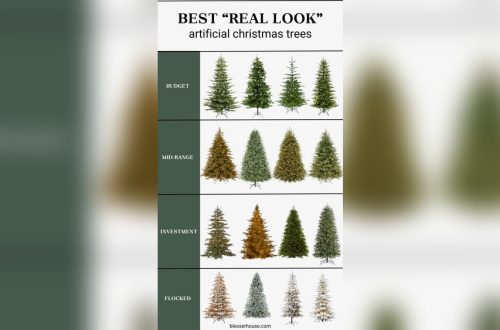
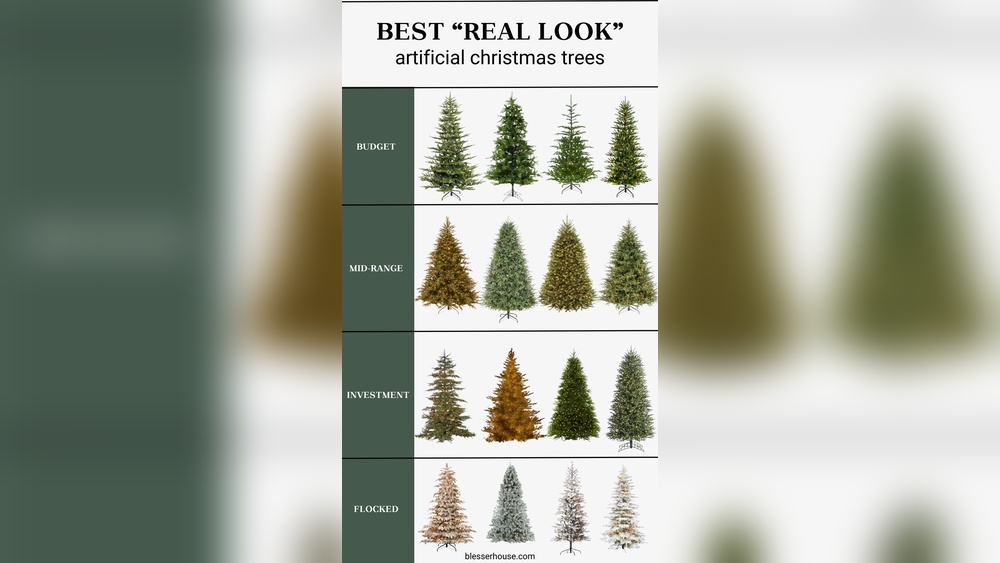
Low-cost trees usually have simpler designs. Their branches may look flat or plastic-like. The needles might be made from a single type of plastic. Mid-range trees offer better branch shaping. They often mix two types of needles for a fuller look. High-end trees use advanced materials like PE (polyethylene). These trees have thicker, more realistic needles. They also have layered branches that mimic real trees. The price rises with added detail and quality.
Where To Splurge And Save
Spend more on the tree’s needles and branch design. These parts create the most natural look. A tree with mixed needle types feels softer and fuller. Save money on the tree stand or assembly features. Basic stands work well and cost less. Also, simple lighting options can reduce costs. Focus your budget on the tree’s appearance. This choice brings the best balance of cost and realism.
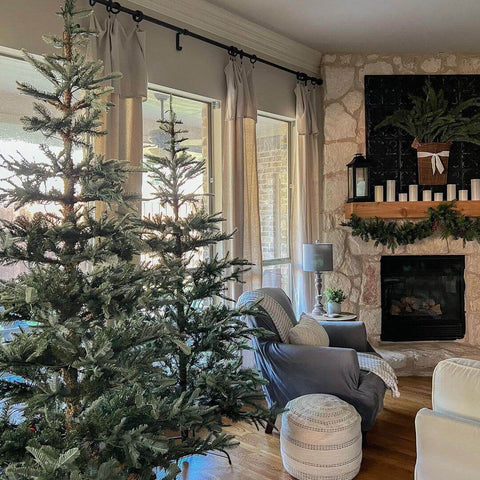
Credit: www.kingofchristmas.com
Frequently Asked Questions
What Materials Make Artificial Trees Look Most Realistic?
PVC and PE plastic are the most realistic materials. PE needles replicate natural pine textures well. Combining both creates fuller, lifelike trees. This mix offers durability with a natural look.
How Do Led Lights Affect Tree Realism?
LED lights enhance realism by mimicking warm, natural glows. They are energy-efficient and last longer. Some trees have pre-installed LEDs for better visual effect. Proper lighting highlights the tree’s natural features.
Are Flocked Artificial Trees More Realistic?
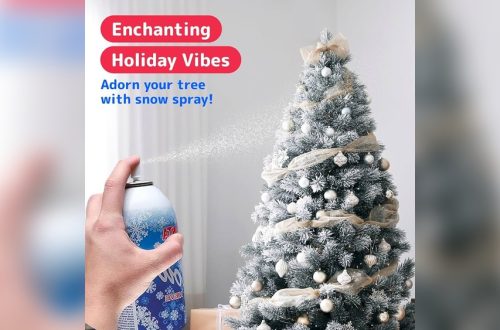
Flocked trees mimic snow-covered branches, adding seasonal realism. They provide a cozy, wintery look. However, flocking can shed and may require gentle care. Flocked trees suit specific holiday décor styles.
What Tree Shapes Look Most Natural?
Full, asymmetrical shapes mimic real tree growth patterns. Tapered tops and varied branch lengths add realism. Avoid overly symmetrical or uniform trees for a natural look. Popular styles include Douglas Fir and Fraser Fir shapes.
Conclusion
Choosing the most realistic artificial Christmas tree depends on your style and budget. Look for trees with detailed needles and natural colors. Trees made from PE material often look very lifelike. Consider branch shape and fullness to match real trees.
Think about ease of setup and storage too. A good tree brings holiday cheer and lasts for years. Enjoy decorating a tree that feels just right for your home.